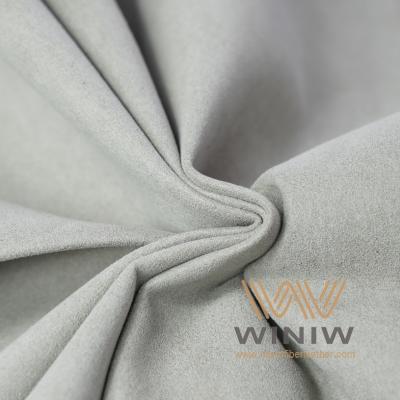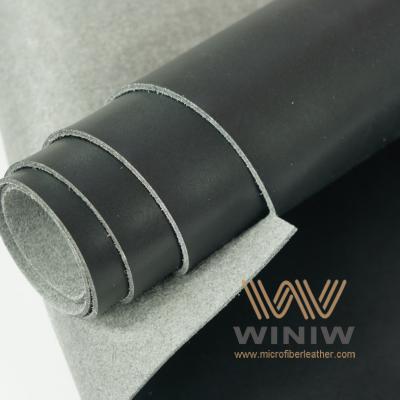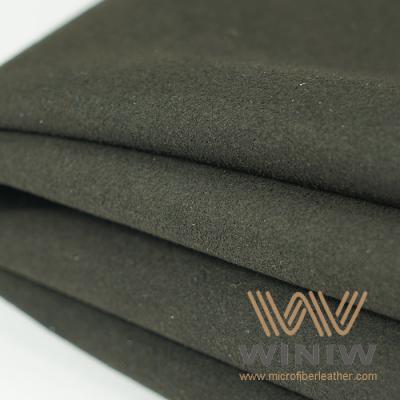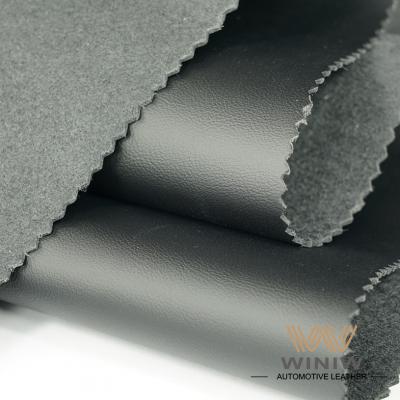
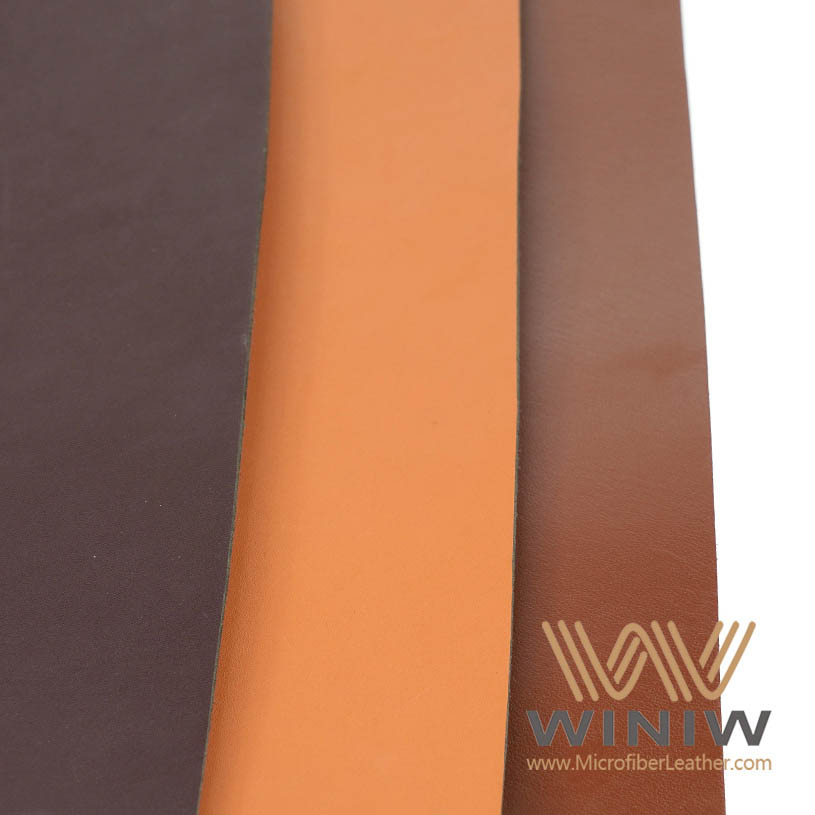
Sie wählen eine vegan leather belt when you want a cruelty-free and ethical option. Vegan leather uses synthetic materials like PU or plant-based options such as pineapple or cork. These belts avoid animal products , making them eco-friendly and ethical. Vegan leather belts offer a stylish, cruelty-free, and eco friendly alternative.
|
Aspect |
Vegan Leather Belts |
Traditional Leather Belts |
|---|---|---|
|
Carbon Footprint |
Lower (15.8kg CO2e per square meter) |
Higher (110.0kg CO2e for cow skin leather) |
|
Water Use |
Less water required |
Significant water use (17,128 liters per tote) |
|
Land Use |
Requires less land |
Large amounts needed for cattle farming |
|
Pollution |
Contributes to microplastic pollution |
Generates hazardous waste during tanning |
|
Biodegradability |
Not biodegradable (often plastic-based) |
Biodegradable but resource-intensive |
|
Sustainability Potential |
Plant-based options emerging |
Resource-heavy and less sustainable |
Vegan leather belts have a lower carbon footprint and use less water and land than traditional leather belts.
Traditional leather production is resource-intensive, involving significant water use and generating hazardous waste during the tanning process.
Both options have environmental drawbacks, but plant-based vegan leather belts offer hope for improved sustainability in the future.
Vegan leather belts are cruelty-free and eco-friendly, using materials like PU or plant-based options such as pineapple and cork.
These belts have a lower carbon footprint and require less water and land compared to traditional leather belts.
Proper care can extend the life of vegan leather belts, helping you maintain their quality and appearance.
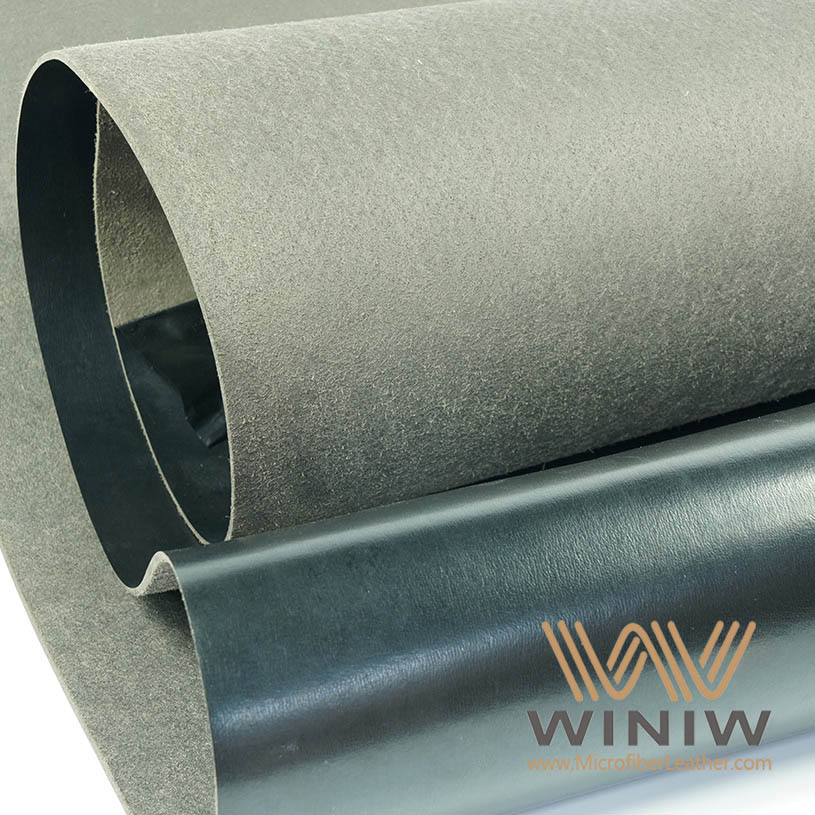
You often see pleather belts made from synthetic materials . Manufacturers use polyurethane (PU), polyvinyl chloride (PVC), and canvas to create vegan leather belts. These materials give you flexibility, water resistance, and durability. You can check the table below for a quick comparison:
|
Material Type |
Properties |
|---|---|
|
PVC |
Water resistance, flexibility, durability |
|
PU |
Water resistance, flexibility, durability |
|
Plant-synthetic hybrids |
Incorporate plant fibers, performance varies |
Pleather, a popular term for synthetic vegan leather, dominates the global market. You notice that the synthetic leather market is projected to grow rapidly, reaching over USD 115 billion by 2033. This growth shows that pleather remains a top choice for vegan belt production. You find that pleather belts offer consistent quality and a smooth finish. These belts often last longer than plant-based options.
You may prefer vegan leather belts made from sustainable materials like pineapple leaves, apple peels, or cork. These plant-based options support eco-friendly production and appeal to those seeking ethical fashion. You discover that plant-based vegan leather can be dyed and textured to look stylish, closely mimicking the appearance of animal leather. Many vegan belts made from these materials feel soft and natural.
Plant-based vegan leather is an ethical alternative, but it often lacks the durability of pleather.
You see that the plant-based vegan leather market is growing, expected to reach USD 8.2 billion by 2033.
Vegan belts made from pineapple, apple, or cork offer unique textures and colors.
You choose vegan leather belts for their cruelty-free appeal and innovative use of sustainable materials. Plant-based vegan leather gives you a fashionable look, though pleather remains the most durable option.
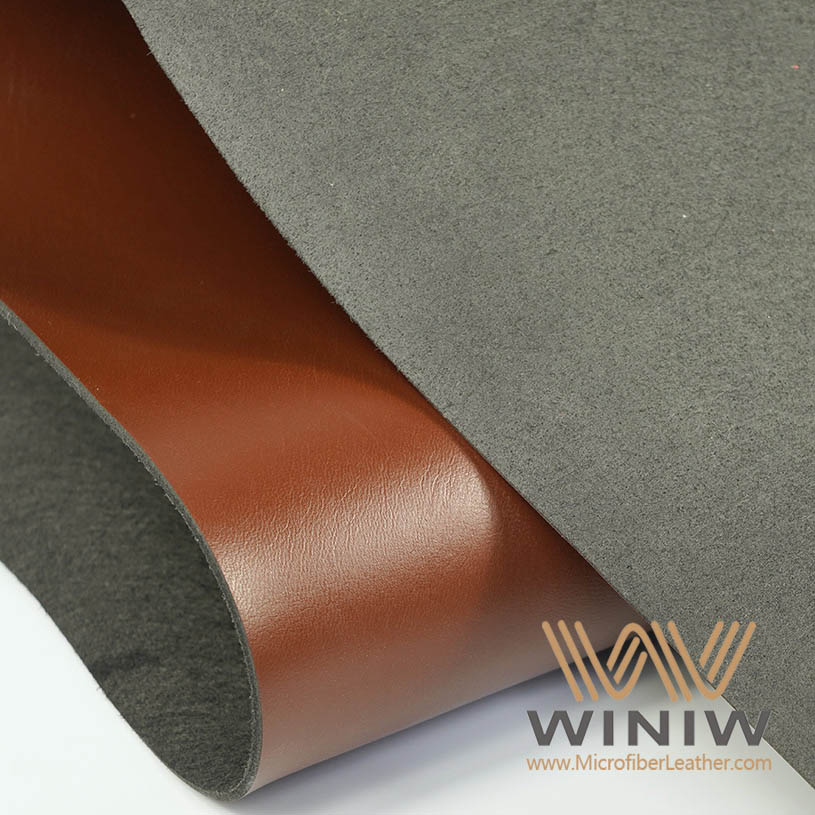
You discover that making a vegan leather belt involves several steps, each designed to ensure good quality and durability. Manufacturers use different processes for synthetic and plant-based faux leather belts, but both focus on creating a stylish and reliable product.
You see that synthetic faux leather belts use materials like PU and PVC. The process starts with selecting a base material, such as polyester or cotton. Manufacturers then coat or laminate this base with PU or PVC, adding dyes and protectants for color and resilience. Embossing or texturing gives the vegan leather a realistic look. The table below shows the main steps:
|
Step |
Description |
|---|---|
|
Base Material Selection |
Choose synthetic fibers like polyester, nylon, or cotton for the base. |
|
Coating or Laminating |
Apply PU or PVC layer, often with dyes and protectants. |
|
Embossing or Texturing |
Press patterns onto the surface to mimic real leather. |
You notice that these steps help create faux leather belts with consistent style and finish. Manufacturers focus on good quality by inspecting each stage, ensuring the vegan leather belt meets expectations.
You find that plant-based vegan leather belts use materials like pineapple leaves and apple peels. The process begins with fiber extraction, where workers clean and chop the plant material to isolate cellulose fibers. These fibers blend with natural adhesives, such as polylactic acid or latex, to form a flexible sheet. Finishing treatments, including coatings, embossing, and dyeing, enhance the appearance and durability. The table below outlines the main processes:
|
Process |
Description |
|---|---|
|
Fiber Extraction |
Clean, chop, and isolate plant fibers. |
|
Blending with Binders |
Combine fibers with natural adhesives for flexibility and strength. |
|
Finishing Treatments |
Apply coatings, embossing, and dyes for style and durability. |
You realize that plant-based faux leather belts offer unique textures and colors. Manufacturers use these steps to create vegan leather belts that look and feel like traditional leather, while maintaining good quality.
You understand that quality control plays a vital role in producing vegan leather belts. Manufacturers inspect raw materials for thickness, color, and texture consistency. Cutting, edge sanding, and punching ensure precise dimensions and smooth finishes. Edge sealing and buckle installation add wear resistance and style. The table below highlights key quality control processes and common problems:
|
Process |
Key Processes |
Major Problems |
|---|---|---|
|
Raw Material Inspection |
Inspect thickness, color, texture, and surface defects. |
Scratches, uneven thickness, color differences. |
|
Cutting |
Cut strips to precise sizes. |
Dimensional errors, burrs, skewing. |
|
Edge Sanding |
Trim edges for smoothness. |
Rough edges, uneven sanding, burn marks. |
|
Punching |
Position holes accurately. |
Inconsistent spacing, skewed positions. |
|
Edge Sealing |
Apply sealing fluid for smoothness and resistance. |
Uneven sealing, blistering, inconsistent color. |
|
Buckle Installation |
Install buckles with accuracy and firmness. |
Skewed buckles, loose rivets, indentations. |
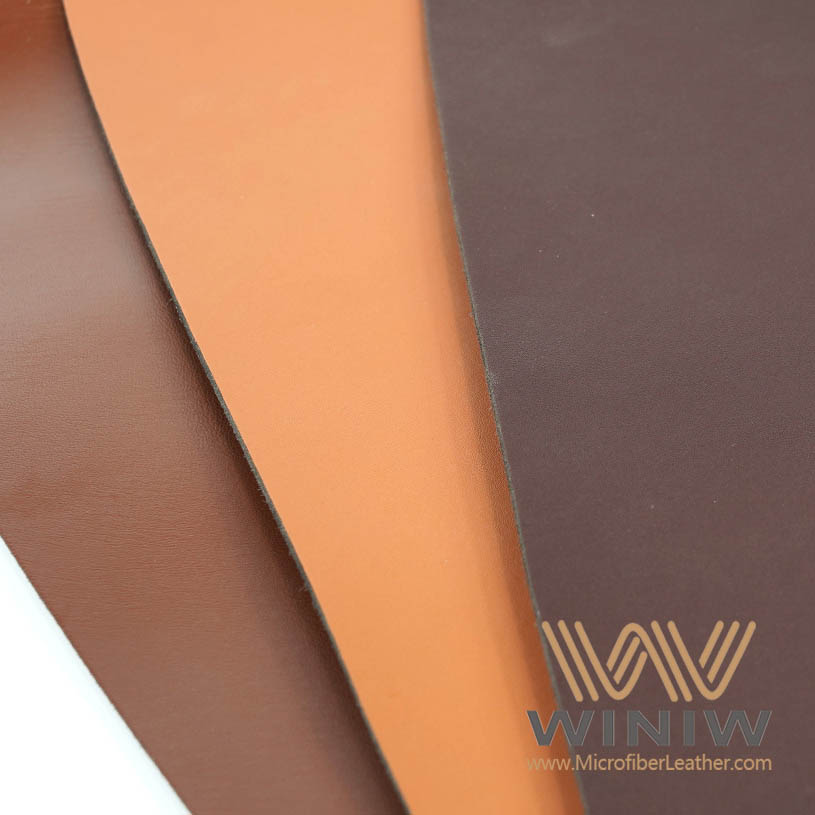
You see that manufacturers use design and concept planning to match brand vision. Material sourcing ensures high-quality vegan leather and hardware. Prototyping and sample approval help evaluate feel and durability before mass production. Skilled artisans and advanced equipment maintain good quality across all faux leather belts. Quality control checks stitching, alignment, branding, and finish.
Tip: You can expect vegan leather belts to last between 2 and 5 years, depending on the material. Synthetic faux leather belts usually last 2 to 5 years, while plant-based options can last 3 to 5 years.
|
Belt Type |
Lifespan |
|---|---|
|
Synthetic Belts |
2-5 years |
|
Plant-Based Belts |
3-5 years |
You notice that style and finish remain consistent due to strict quality control and skilled craftsmanship. Faux leather belts offer a wide range of colors, textures, and designs. You can choose a vegan leather belt that matches your style and meets your expectations for good quality.
You make a positive impact when you choose vegan leather belts . These belts support sustainability by using animal-free leathers and reducing the carbon footprint compared to traditional leather. Plant-based vegan leather items, such as cork and Piñatex belts, promote waste reduction and eco-friendly production. You help the environment by selecting belts made from recycled materials, which divert waste from landfills. The table below highlights the sustainability benefits of different vegan leather options:
|
Type of Belt |
Sustainability Benefits |
|---|---|
|
Faux Leather Belts |
Ethical: No animals are harmed. Aesthetic Appeal: Resembles genuine leather. Affordability: Budget-friendly. |
|
Cork Belts |
Sustainability: Harvested from cork oak trees, allowing regeneration. Eco-Friendly: Minimal energy, biodegradable. |
|
Piñatex Belts |
Sustainability: Uses pineapple leaf waste. Durability: Strong and long-lasting. Unique Texture. |
|
Recycled Materials |
Waste Reduction: Diverts waste from landfills. |
You support ethical and sustainable fashion by avoiding animal cruelty and selecting vegan leather. You also help environmentally conscious consumers by choosing products that use less water and energy. You should check for non-vegan components, such as beeswax or animal-derived glues, to ensure your belt is truly vegan.
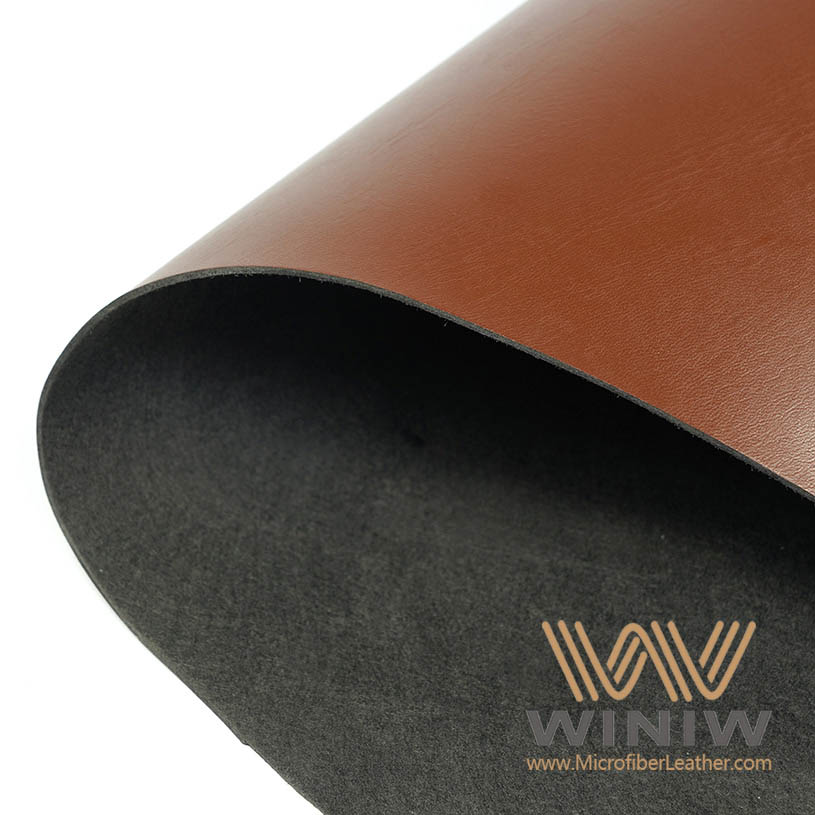
You may notice that vegan leather belts often have a shorter lifespan than traditional leather. Vegan leather can crack, peel, and show wear quickly, especially if you do not follow proper care practices. You can extend the life of your vegan leather items by maintaining vegan leather with regular cleaning, conditioning, and protective sprays. You should store belts rolled up and avoid direct sunlight to prevent fading. If you want to repair vegan leather, you can use mild soap solutions and soft cloths for cleaning. You can also learn how to soften vegan leather with conditioning products to prevent cracking. You may need to repair vegan leather more often than animal-based belts, but good care helps maintain quality.
Tip: Maintaining vegan leather and knowing how to soften vegan leather will help you enjoy your cruelty-free style longer.
You find that vegan leather belts offer vibrant designs and a wide range of colors and textures. Synthetic vegan leather belts suit casual and trendy outfits, while plant-based options like apple or grape leather provide unique looks. The table below compares style and appearance:
|
Type of Belt |
Style and Appearance Description |
|---|---|
|
Leather Belts |
Refined, classic look with natural grain. Suitable for formal and premium casual outfits. |
|
Synthetic Belts |
Fashion-forward designs in many colors and patterns. Ideal for casual and trendy outfits. |
You can choose vegan leather belts that match your personal style and support fashion and sustainability. You help environmentally conscious consumers by selecting eco friendly, sustainable, and ethical accessories.
You see vegan leather belts use innovative materials and eco-friendly processes. The table below highlights key takeaways:
|
Key Takeaway |
Description |
|---|---|
|
Market Growth |
Plant-based leather alternatives are rapidly expanding in the fashion world. |
|
Eco-friendliness |
Bio-based leathers reduce animal cruelty and pollution. |
Vegan leather belts offer cruelty-free style and lower emissions.
Choose belts made from recycled or plant-based materials.
Research care tips to extend your belt’s life and keep it looking new.
You can recycle some vegan leather belts, especially those made from plant-based materials. Check local recycling guidelines for synthetic belts, as they may require special handling.
You clean your vegan leather belt with a soft cloth and mild soap. Avoid soaking. Dry it in the shade.
Tip: Use a gentle conditioner for extra softness.
|
Belt Type |
Typical Smell |
|---|---|
|
Synthetic Vegan |
Neutral or plastic |
|
Plant-Based Vegan |
Mild, natural scent |
|
Animal Leather |
Distinct leather |
You notice vegan belts rarely smell like animal leather.
Winiw International Co.,Ltd


Scan zu wechat:



 Tel : +86 18150976625
 E-Mail : Market@MicrofiberLeather.com