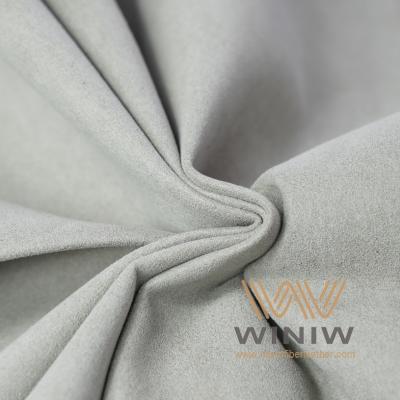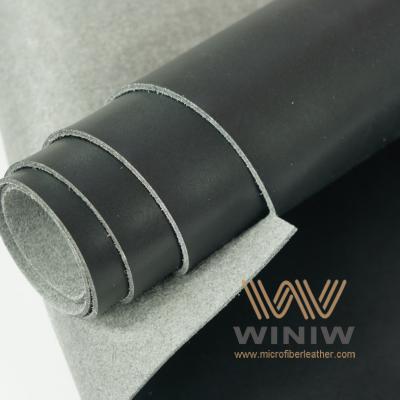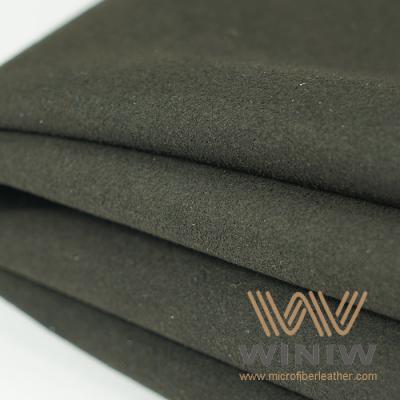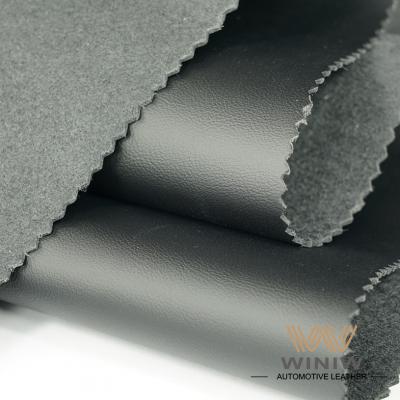
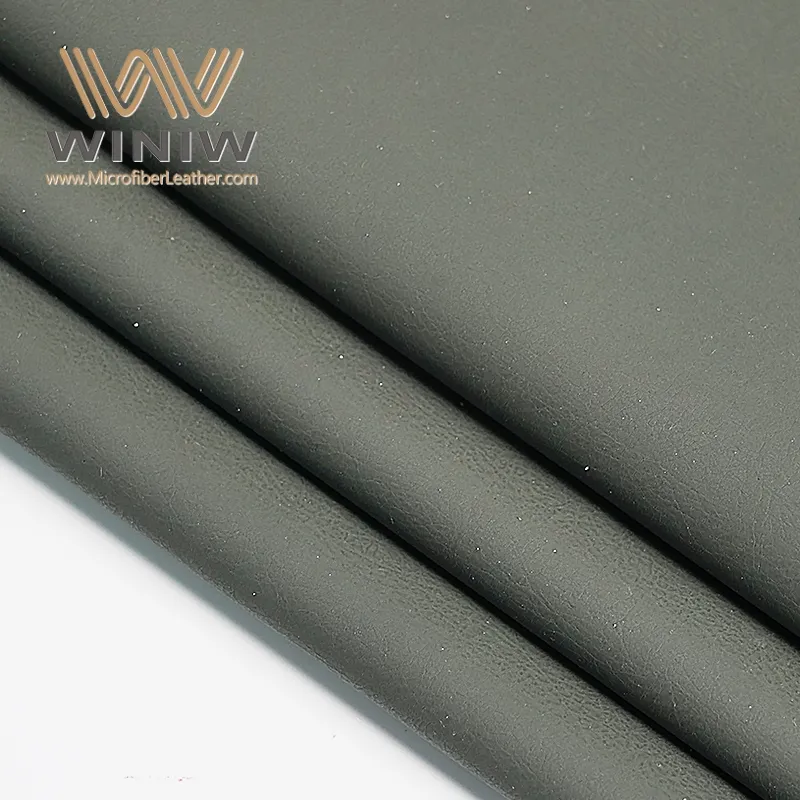
Ledersofas könnten die richtige Wahl für Ihr Wohnzimmer sein, wenn Sie Wert auf Langlebigkeit, Pflegeleichtigkeit und hypoallergene Eigenschaften legen. Stoffsofas bieten Wärme und Komfort und passen daher gut in Wohnungen, in denen sich der Einrichtungsstil häufig ändert. In dieser Übersichtstabelle sehen Sie, wie sich Stoff- und Ledersofas hinsichtlich der wichtigsten Kriterien vergleichen lassen:
|
Faktor |
Ledersofas |
Stoffsofas |
|---|---|---|
|
Haltbarkeit |
Hält bei guter Pflege lange |
Mikrofaser ist fleckenabweisend |
|
Komfort |
Kühlt, wird mit der Zeit weicher |
Weiches, warmes Gefühl |
|
Wartung |
Leicht zu reinigen, fleckenabweisend |
Benötigt mehr Pflege, abnehmbare Bezüge |
|
Allergie |
Hypoallergen |
Kann Allergene enthalten |
Berücksichtigen Sie Ihren Lebensstil bei der Wahl eines Sofas. Leder passt zu ruhigeren Wohnungen bei weniger Aktivität, während Stoff gut für Familien mit Kindern und Haustieren geeignet ist.
Prüfen Sie den Pflegeaufwand. Ledersofas sind leicht zu reinigen und hypoallergen, während Stoffsofas unter Umständen mehr Pflege benötigen und Allergene einschließen können.
Denken Sie an Komfort und Temperatur. Stoffsofas bieten Wärme und ein weiches Gefühl, während Leder im Winter kühler und im Sommer klebrig sein kann.
Anhand dieser Vergleichstabelle können Sie die Vor- und Nachteile von Leder- und Stoffsofas vergleichen. Die folgende Tabelle hebt die wichtigsten Vor- und Nachteile der jeweiligen Varianten hervor:
|
Sofa-Typ |
Komfort |
Haltbarkeit |
Wartung |
Kosten |
|---|---|---|---|---|
|
Stoffsofas |
Im Winter warm, im Sommer kühl. |
7 bis 12 Jahre |
Regelmäßige Reinigung erforderlich |
Kostet in der Regel weniger |
|
Kann sich im Winter kalt anfühlen, im Sommer klebrig. |
15 bis 20 Jahre oder mehr |
Leicht zu reinigen; Verschüttetes lässt sich einfach abwischen |
Kostet mehr, hält länger |
Stoffsofas bieten mehr Gestaltungsmöglichkeiten bei Farben und Mustern. Sie können Ihre Sofas farblich und gemustert aufeinander abstimmen. heim Ledersofas lassen sich leicht einrichten und bieten gleichmäßige Wärme. Sie vereinen zeitlose Eleganz und außergewöhnliche Langlebigkeit. Die Pflege ist unkompliziert, jedoch kann die Temperaturempfindlichkeit den Komfort beeinträchtigen.
Beim Vergleich von Leder- und Stoffsofas sollten Sie Ihre täglichen Gewohnheiten und Bedürfnisse berücksichtigen. Wenn Allergiker in Ihrem Haushalt leben, minimieren Ledersofas die Belastung durch Hausstaubmilben und Allergene. Sie lassen sich zudem schnell reinigen und sind daher ideal für alle, die Wert auf Gesundheit und einfache Pflege legen.
Stoffsofas eignen sich gut für Familien mit Kindern oder Haustierbesitzer. Mikrofaser-Sofas sind fleckenabweisend und strapazierfähig. Sie sind kostengünstig und komfortabel für den täglichen Gebrauch. Allerdings können sich auf Stoffsofas Allergene ansammeln und in stark frequentierten Bereichen Abnutzungserscheinungen zeigen.
Tipp: Wägen Sie die Vor- und Nachteile der verschiedenen Sofatypen ab, bevor Sie sich entscheiden. Ihr Lebensstil, Ihr Budget und Ihre Wohnsituation helfen Ihnen bei der Wahl des passenden Sofas.
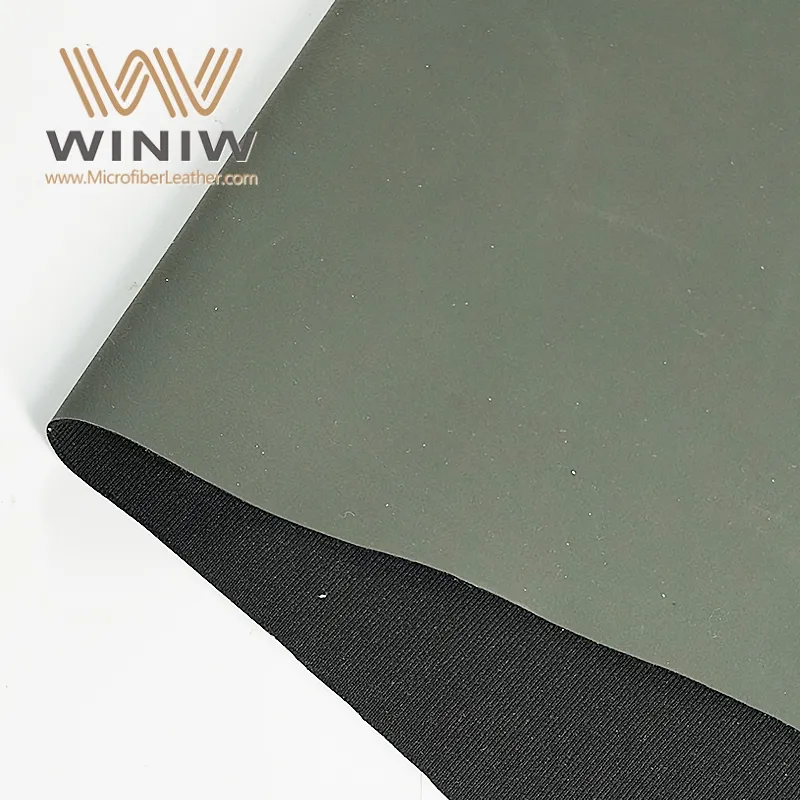
Sie möchten, dass sich Ihr Sofa jedes Mal einladend anfühlt, wenn Sie sich hinsetzen. Stoffsofas bieten von Anfang an ein weiches und angenehmes Sitzgefühl. Sie spüren die Wärme und Atmungsaktivität, was sie ideal für lange Entspannungsmomente macht. Ledersofas Sie fühlen sich anfangs etwas steif an, werden aber mit der Zeit wunderbar weich. Das Leder passt sich Ihrer Körpertemperatur an, kann sich aber an wärmeren Tagen auf der Haut etwas klebrig anfühlen.
Hier ein kurzer Überblick darüber, wie Nutzer den Komfort beider Optionen bewerten:
|
Besonderheit |
Ledersofas |
Stoffsofas |
|---|---|---|
|
Komfort & Gefühl |
Anfangs steif, wird aber mit der Zeit weicher. Passt sich der Temperatur an, kann sich aber klebrig anfühlen. |
Sofort weicher, flauschiger und wärmer. Besonders atmungsaktiv, ideal für langes Sitzen. |
Stoffsofas bieten gleichbleibenden Komfort, besonders wenn man stundenlang liest oder fernsieht. Ledersofas wirken elegant und gewinnen mit der Zeit an Schönheit, allerdings muss man sich anfangs an die Festigkeit gewöhnen.
Das Klima beeinflusst maßgeblich, wie sich Ihr Sofa im Laufe des Jahres anfühlt. Leder kann sich im Winter kühler und im Sommer wärmer anfühlen. Sie werden vielleicht feststellen, dass Ledersofas bei sinkenden Temperaturen kühl und bei steigenden Temperaturen schwül werden. Stoffsofas hingegen bieten das ganze Jahr über ein neutrales Sitzgefühl. So genießen Sie gleichbleibenden Komfort, egal ob es in Ihrem Zuhause warm oder kühl ist.
Leder: Im Winter kühler, im Sommer wärmer.
Material: Neutrales Tragegefühl zu jeder Jahreszeit.
Wenn Sie in einer Region mit extremen Temperaturen leben, bieten Stoffsofas zuverlässigen Komfort. Sie profitieren von ihrer Atmungsaktivität und Wärme, was sie zu einer klugen Wahl für den täglichen Gebrauch und ihre Langlebigkeit macht.
Sie möchten, dass Ihr Sofa viele Jahre hält. Ledersofas zeichnen sich durch ihre beeindruckende Lebensdauer aus. Die meisten Echtledersofas halten zwischen 12 und 20 Jahren. Stoffsofas halten in der Regel 5 bis 10 Jahre. Den Unterschied sehen Sie in der folgenden Tabelle:
|
Sofa-Typ |
Durchschnittliche Lebensdauer |
|---|---|
|
Echtes Leder |
12–20 Jahre |
|
Stoffsofas |
5–10 Jahre |
Ledersofas entwickeln mit der Zeit eine Patina. Diese verleiht ihnen Charakter und zeugt von ihrer Langlebigkeit. Um Risse und Ausbleichen zu vermeiden, ist die richtige Pflege von Ledersofas wichtig. Einfache Reinigung und gelegentliches Pflegen sorgen dafür, dass sie wie neu aussehen. Stoffsofas zeigen schneller Gebrauchsspuren. Nach starker Beanspruchung können Ausbleichen, Pilling oder Durchhängen auftreten. Regelmäßiges Staubsaugen und Fleckenentfernung helfen, Stoffsofas in gutem Zustand zu halten, doch Flecken können hartnäckig sein.
Sie haben vielleicht Kinder oder Haustiere zu Hause. Stoffsofas eignen sich hervorragend für stark frequentierte Wohnräume. Moderne Stoffe sind fleckenabweisend und robust genug für wildes Spielen. Stoffsofas sind daher besonders praktisch, wenn mal etwas verschüttet wird. Ledersofas Sie bieten hohe Langlebigkeit und einfache Reinigung. Verschüttete Flüssigkeiten perlen ab und lassen sich schnell abwischen. Die folgende Tabelle vergleicht die Eigenschaften:
|
Besonderheit |
Leder |
Stoff |
|---|---|---|
|
Haltbarkeit |
Sehr widerstandsfähig, entwickelt eine Patina |
Kann schnell Gebrauchsspuren aufweisen. |
|
Reinigung |
Leicht zu reinigen, verschüttete Flüssigkeiten perlen einfach ab. |
Erfordert mehr Wartung |
|
Beständigkeit gegen Flecken |
Ausgezeichnet, keine Flecken nach dem Verschütten. |
Mangelhaft, möglicherweise ist eine gründliche Reinigung erforderlich. |
|
Komfort |
Bequem, passt sich dem Gewicht an |
Einladend, kann aber ermüdend sein |
|
Wartung |
Geringer Wartungsaufwand |
Höherer Wartungsaufwand erforderlich |
Sie sehen also, dass Ledersofas weniger Pflege benötigen. Stoffsofas erfordern mehr Aufmerksamkeit, insbesondere in Haushalten mit viel Trubel. Wählen Sie das Sofa, das zu Ihrem Alltag und Ihrem Lebensstil passt.
Gerade in Haushalten mit viel Betrieb möchte man, dass die Couch stets frisch und sauber bleibt. Ledersofas sind fleckenabweisend, da Flüssigkeiten dank ihrer natürlichen wasserabweisenden Eigenschaften einfach abperlen. Verschüttete Flüssigkeiten lassen sich schnell abwischen, was Leder zu einem der pflegeleichtesten Sofabezüge macht. Moderne Stoffbezüge, insbesondere solche, die speziell für Haushalte mit Haustieren entwickelt wurden, weisen eine beeindruckende Fleckenbeständigkeit auf. Haushalte mit Haustieren und Kindern berichten von 60 % weniger sichtbaren Flecken nach dem Umstieg auf fleckenabweisende Sofas. Der Reinigungsaufwand reduziert sich um bis zu 75 %, da Flecken meist durch Abwischen entfernt werden können. Diese Stoffe sind zudem geruchshemmend, sodass Ihre Couch auch nach intensiver Nutzung frisch bleibt.
|
Sofa-Typ |
Fleckenbeständigkeit |
Geruchsbeständigkeit |
Reinigungszeit |
|---|---|---|---|
|
Ledersofas |
Exzellent |
Gut |
Minimal |
|
Sehr gut |
Exzellent |
Reduziert |
Tipp: Wählen Sie fleckenabweisendes Sofaleder, wenn Sie ein Sofa wünschen, das in lebhaften Haushalten Flecken und Gerüchen standhält.
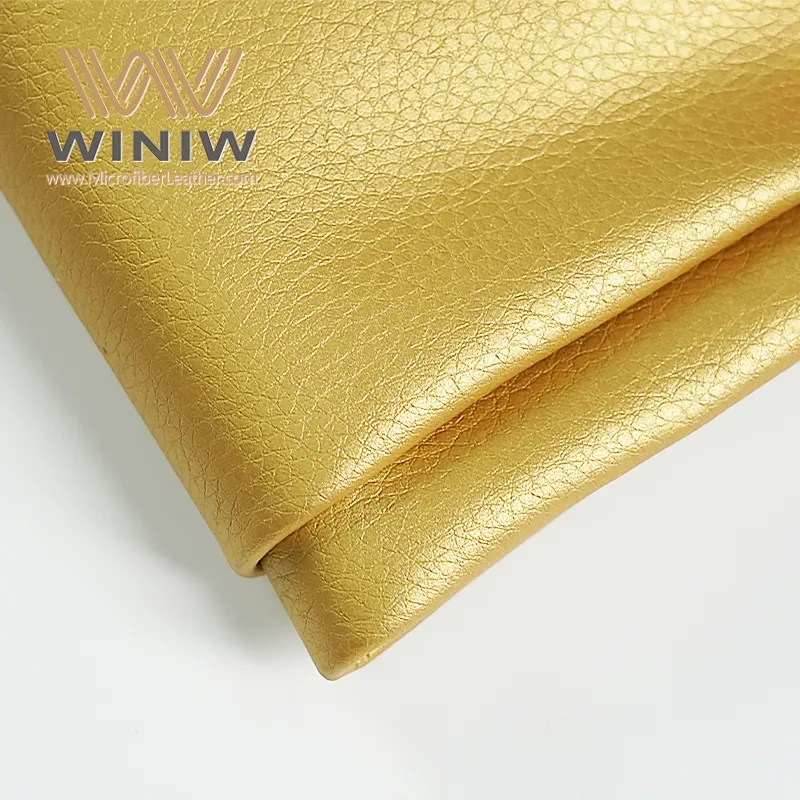
Damit Ihr Sofa lange schön bleibt, ist die richtige Pflege unerlässlich. Ledersofas benötigen regelmäßige Pflege und die passenden Reinigungsmittel, um weich zu bleiben und Risse zu vermeiden. Verschiedene Lederarten erfordern unterschiedliche Reinigungsmethoden. Informieren Sie sich daher vorab über die Art Ihres Bezugs. Bei hartnäckigen Flecken oder Ausbleichen sorgt professionelle Hilfe für die Wiederherstellung von Qualität und Aussehen. Stoffbezüge von Ledersofas profitieren von regelmäßigem Staubsaugen und Fleckenentfernung. Diese Stoffe sind scheuerfest und halten über 30.000 Scheuerzyklen stand, sodass Sie auch bei häufiger Nutzung lange Freude daran haben. Verwenden Sie zur Reinigung von Stoff- und Ledersofas stets milde Reinigungsmittel und vermeiden Sie aggressive Chemikalien.
Reinigen Sie Ledersofas mit einem weichen Tuch und Lederpflege.
Saugen Sie den Sofabezug oder das Leder wöchentlich ab und reinigen Sie Flecken nach Bedarf.
Bei hartnäckigen Flecken oder Beschädigungen sollten Sie eine professionelle Reinigung in Anspruch nehmen.
Mit diesen einfachen Schritten bleibt Ihr Sofa lange schön und bequem.
Wenn Sie oder Ihre Familienmitglieder Allergien haben, wünschen Sie sich ein Sofa, das dazu beiträgt, Ihr Zuhause gesund zu halten. Ledersofas bieten einen großen Vorteil Für Allergiker geeignet. Die glatte Oberfläche von Leder nimmt weder Staub, Pollen noch Tierhaare auf. Leder lässt sich einfach mit einem feuchten Tuch abwischen, wodurch die meisten Allergene schnell entfernt werden. Da Leder zudem feuchtigkeitsabweisend ist, müssen Sie sich keine Sorgen um Schimmelbildung im Inneren Ihres Sofas machen.
Tipp: Entscheiden Sie sich für Leder, wenn Sie Allergieauslöser in Ihrem Wohnraum reduzieren möchten. Ihr Sofa lässt sich so leichter sauber und allergenfrei halten.
Hier ein kurzer Vergleich, wie Stoff- und Ledersofas mit Allergenen umgehen:
|
Material |
Allergenretention |
Reinigungsleicht |
Feuchtigkeitsspeicherung |
|---|---|---|---|
|
Stoff |
Fängt Allergene (Hausstaubmilben, Tierhaare) |
Schwer zu reinigen |
Hält Feuchtigkeit |
|
Leder |
Weist Allergene (Staub, Pollen) ab |
Leicht zu reinigen |
Speichert keine Feuchtigkeit |
Stoffsofas fühlen sich weich und gemütlich an, können aber mit der Zeit Allergene ansammeln. Hausstaubmilben, Tierhaare und Pollen setzen sich in den Fasern fest. Bei Allergien kann es zu vermehrtem Niesen oder juckenden Augen kommen. Die Reinigung von Stoffen ist aufwendiger. Staubsaugen hilft zwar, aber eine gründliche Reinigung ist oft notwendig, um die eingeschlossenen Partikel zu entfernen. Stoffe speichern außerdem Feuchtigkeit, was bei nicht schnell getrockneten Flüssigkeiten zu Schimmelbildung führen kann.
Wer ein Sofa sucht, das zu einem gesünderen Wohnklima beiträgt, sollte Leder als die bessere Wahl für Allergiker in Betracht ziehen. Stoffbezüge sind zwar für viele Haushalte geeignet, müssen aber regelmäßig gereinigt werden, um Allergene fernzuhalten.
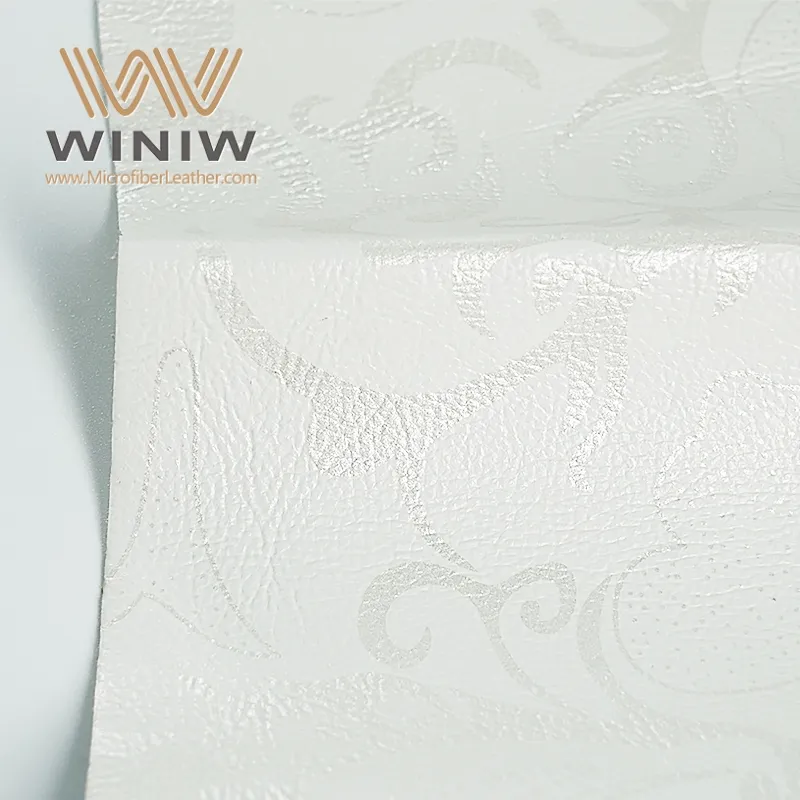
Du willst ein Sofa, das steht Ledersofas sind ideal für den Familienalltag. Sie bieten eine beeindruckende Langlebigkeit. Verschüttete Flüssigkeiten lassen sich leicht abwischen, was besonders praktisch ist, wenn Kinder etwas verschütten oder Haustiere Schlamm hereintragen. Leder ist weitgehend fleckenabweisend, sodass Sie weniger Zeit mit Putzen verbringen. Allerdings können scharfe Gegenstände und Tierkrallen die Oberfläche zerkratzen. Seien Sie daher vorsichtig mit Spielzeug und aktiven Haustieren. Leder fühlt sich fester und manchmal etwas kühl an, ist aber geruchsabweisend und sorgt für ein frisches Wohnklima.
|
Besonderheit |
Ledersofas |
Stoffsofas |
|---|---|---|
|
Haltbarkeit |
Robust und widerstandsfähig gegen Abnutzung |
Hochwertige Stoffe sind formbeständig und abriebfest. |
|
Reinigung |
Verschüttete Flüssigkeiten lassen sich leicht abwischen; regelmäßige Pflege erforderlich |
Viele Stoffe sind fleckenabweisend behandelt, um die Reinigung zu erleichtern. |
|
Kratzfestigkeit |
Kann durch scharfe Gegenstände und Tierkrallen zerkratzt werden. |
Weniger anfällig für Kratzer von Haustieren, insbesondere bei Hochleistungsstoffen. |
Tipp: Legen Sie Überwürfe oder Decken auf Ihr Ledersofa, um es vor Kratzern zu schützen und für zusätzliche Wärme zu sorgen.
Stoffsofas sind aufgrund ihres gemütlichen Charakters eine beliebte Wahl. Stoff bietet Weichheit und Wärme und ist daher ideal für Kinder und Haustiere. Viele moderne Stoffe sind fleckenabweisend ausgerüstet. Die meisten Flecken lassen sich einfach abwischen, hartnäckige Flecken erfordern jedoch professionelle Hilfe. Da Stoff Tierhaare anzieht und Gerüche speichern kann, ist regelmäßiges Staubsaugen wichtig. Hochwertige Stoffe sind strapazierfähig und kratzfest und eignen sich daher perfekt für Haushalte mit viel Publikumsverkehr.
|
Besonderheit |
Leder |
Stoff |
|---|---|---|
|
Reinigung und Instandhaltung |
Leicht abzuwischen, fleckenabweisend |
Schwieriger zu reinigen, möglicherweise ist professionelle Hilfe erforderlich. |
|
Komfort |
Fester, kann sich kalt oder klebrig anfühlen |
Weicher, gemütlicher und wärmer |
|
Haustierfreundlich |
Geruchsabweisend, leicht zu reinigen, kann aber Kratzer verursachen. |
Zieht Tierhaare an, kann Gerüche speichern, ist aber mit fleckenabweisenden Optionen widerstandsfähig. |
Sie schaffen einen komfortablen und praktischen Raum, indem Sie das Sofa wählen, das den Bedürfnissen Ihrer Familie entspricht. Berücksichtigen Sie vor Ihrer Entscheidung, wie Ihre Haustiere und Kinder die Möbel nutzen.
Sie möchten, dass Ihr Sofa Ihre Persönlichkeit und Ihren Stil widerspiegelt. Stoffsofas bieten eine große Auswahl an Farben und Mustern. Sie haben die Wahl zwischen auffälligen Prints, dezenten Texturen oder klassischen Unifarben. Große Möbelhäuser bieten individuell gestaltbare Sofas an, sodass Sie genau den Farbton oder das Design auswählen können, das Ihrem Geschmack entspricht. Ledersofas gibt es in vielen Ausführungen, darunter matt, glänzend und im Used-Look. Sie finden eine Vielzahl an Stoffen und Ledern, die zu modernen und komfortablen Designs passen.
Anpassbare Sofas sind für beide Materialien erhältlich.
Auswahl an Stoffen und Ledern in vielen Farben und Mustern
Moderne und komfortable Designs werden von Einzelhändlern angeboten
Wenn Sie Ihre Einrichtung gerne häufig ändern, bieten Ihnen Stoffsofas Flexibilität. Ledersofas Sie bieten einen zeitlosen Look, aber Sie haben dennoch die Wahl zwischen verschiedenen Farben und Ausführungen.
Sie möchten, dass Ihr Sofa zu Ihrem Einrichtungsstil passt. Ledersofas fügen sich hervorragend in moderne Interieurs ein. Klare Linien und Minimalismus harmonieren mit neutralen Tönen oder Farbtupfern, die für Tiefe sorgen. In traditionellen Umgebungen ergänzen Ledersofas in satten Farben wie Burgunderrot oder Dunkelbraun Holzmöbel und Vintage-Dekor. Eklektische Designs profitieren von der Kombination verschiedener Materialien und Texturen. Setzen Sie Ledersofas mit ausdrucksstarken Kunstwerken und einzigartigen Deko-Objekten gekonnt in Szene.
Stoffsofas passen zu jedem Einrichtungsstil. Sie harmonieren mit modernen, rustikalen oder eklektischen Räumen. Muster und Farben tragen zu einer gemütlichen Atmosphäre bei. Mit dem richtigen Sofabezug verleihen Sie Ihrem Zuhause eine einladende und persönliche Note.
Tipp: Berücksichtigen Sie die Farbpalette und den Einrichtungsstil Ihres Zimmers, bevor Sie ein Sofa auswählen. So schaffen Sie Harmonie und Gemütlichkeit in Ihrem Wohnraum.
Beim Kauf von Sofas fällt der Unterschied im Anschaffungspreis sofort ins Auge. Stoffsofas sind in der Regel günstiger und daher bei preisbewussten Käufern sehr beliebt. Preisgünstige Stoffsofas Für 500 bis 800 Dollar. Echtledersofas gibt es ab 1.500 Dollar, Vollnarbenleder kann bis zu 8.000 Dollar oder mehr kosten. Der Preis hängt von der Qualität und Güte des Materials ab. Wer seinem Zuhause einen luxuriösen Look verleihen möchte, muss mit einer höheren Investition in Leder rechnen.
|
Sofa-Typ |
Durchschnittliche Anfangskosten |
Lebenserwartung |
Jährliche Kosten |
|---|---|---|---|
|
Budgetstoff |
500-800 US-Dollar |
5-7 Jahre |
100–160 US-Dollar |
|
Echtleder (niedrigere Qualität) |
1.500–2.500 US-Dollar |
10-15 Jahre |
100–250 US-Dollar |
|
Vollnarbenleder |
2.500–4.500 US-Dollar |
15-20 Jahre |
125–300 US-Dollar |
|
Vollnarbenleder |
4.000–8.000+ US-Dollar |
25+ Jahre |
160–320 US-Dollar |
Wenn Sie planen, Ihre Einrichtung häufiger zu verändern, bieten Stoffsofas Flexibilität bei geringeren Anschaffungskosten.
Ledersofas bieten Ihnen langfristig einen höheren Wert. Leder ist langlebiger und muss seltener ersetzt werden. Da Leder flecken- und abriebfest ist, sind die Pflegekosten geringer. Stoffsofas hingegen erfordern regelmäßige Reinigung und müssen unter Umständen früher ersetzt werden. Ledersofas behalten ihren Wert besser, insbesondere wenn Sie ein Sofa wünschen, das über viele Jahre hinweg attraktiv bleibt. Obwohl die Anschaffungskosten höher sind, können die jährlichen Kosten aufgrund der Langlebigkeit und Pflegeleichtigkeit von Leder niedriger ausfallen.
Bevor Sie sich für ein Sofa entscheiden, sollten Sie sowohl den Anschaffungspreis als auch den langfristigen Wert berücksichtigen. Mit dem richtigen Material, das Ihren Bedürfnissen entspricht, treffen Sie eine kluge Investition.
Sie möchten eine kluge Wahl für Ihr Wohnzimmer treffen. Stellen Sie sich zunächst diese Fragen, um das beste Material für Ihr Sofa zu finden:
Wie oft werden Sie das Sofa benutzen? Für den täglichen Gebrauch eignen sich strapazierfähige Materialien wie Mikrofaser oder Leder.
Werden Kinder oder Haustiere das Sofa benutzen? Wählen Sie fleckenabweisende Stoffe oder Leder, die Flecken und Kratzer aushalten.
Wie hoch ist Ihr Budget? Hochwertige Stoffsofas bieten Zuverlässigkeit unter 1.500 US-Dollar. Premium-Leder ist zwar teurer, hält aber länger.
Bevorzugen Sie ein weiches, plüschiges Sitzgefühl oder eine festere, strukturierte Sitzfläche? Stoffkissen fühlen sich gemütlich an. Leder bietet festen Halt.
Wie wichtig ist eine einfache Reinigung? Leder lässt sich schnell abwischen. Moderne Stoffe sind flecken- und geruchsabweisend.
Leiden Sie an Allergien? Leder ist staub- und allergenabweisend. Stoff muss regelmäßig gereinigt werden, um frisch zu bleiben.
Wie oft dekorieren Sie neu? Stoffsofas bieten mehr Farben und Muster. Leder schränkt die Gestaltungsmöglichkeiten ein.
Welche Garantie bietet der Hersteller des Sofas? Achten Sie auf Marken mit klaren Garantiebedingungen und umfassender Abdeckung von Material- und Verarbeitungsfehlern.
Können Sie das Sofa vor dem Kauf begutachten? Bitten Sie um Stoffmuster und prüfen Sie die Stabilität der Verarbeitung und den Tragekomfort der Kissen.
Tipp: Achten Sie immer auf die Angaben zum Fasergehalt und vermeiden Sie Sofas mit unklaren Materialbeschreibungen oder fehlenden Sicherheitsetiketten.
Hier ist eine Tabelle, die Ihnen hilft, die wichtigsten Faktoren zu vergleichen:
|
Faktor |
Ledersofas |
Stoffsofas |
|---|---|---|
|
Designflexibilität |
Eingeschränkt durch vorherrschende Farbe und Stil |
Flexibel; passt sich Trends und Accessoires an |
|
Haltbarkeit |
Äußerst langlebig; eine langfristige Investition. |
Weniger langlebig; kostengünstig für den kurzfristigen Einsatz |
|
Wartung |
Spezielle Reinigungsmethoden; einfache Allergenentfernung |
Kann Flüssigkeiten und Gerüche absorbieren; fleckenabweisende Ausrüstung erhältlich |
|
Lebensstilkompatibilität |
Geeignet für weniger aktive Haushalte; kann Gebrauchsspuren durch Haustiere aufweisen. |
Besser geeignet für aktive Haushalte; entfernt Verschüttetes und Flecken. |
|
Allergiehinweise |
Nicht porös; leichtere Reinigung von Allergenen |
Kann Allergene einschließen; muss regelmäßig gereinigt werden |
Sie möchten, dass Ihr Sofa zu Ihren täglichen Gewohnheiten und Ihrem Wohnumfeld passt. Überlegen Sie sich daher gut, wie Sie das perfekte Sofa für Ihre Bedürfnisse auswählen. Wenn Sie in einem lebhaften Haushalt mit Kindern oder Haustieren leben, eignen sich Stoffsofas mit fleckenabweisender Ausrüstung hervorragend. Mikrofaser-Kissen fühlen sich weich und warm an und sind daher ideal für Familien. Ledersofas passen besser zu Haushalten mit weniger Verschüttetem und weniger Trubel. Sie bieten ein luxuriöses Gefühl und guten Halt, allerdings kann sich Leder im Winter kalt und im Sommer klebrig anfühlen.
Persönliche Vorlieben spielen eine Rolle. Wer mit Leder aufgewachsen ist, empfindet Stoff möglicherweise als weniger robust. Wer gerne öfter umdekoriert, findet in Stoff eine große Auswahl an Farben und Mustern. Für preisbewusste Käufer sind hochwertige Stoffoptionen zuverlässiger als billiges Leder. Liegt Ihr Budget unter 1.500 US-Dollar, lohnt sich die Investition in Stoff.
Hier ist eine Tabelle, die zeigt, welcher Sofatyp zu verschiedenen Lebensstilen passt:
|
Sofa-Typ |
Eigenschaften |
Am besten geeignet für |
|---|---|---|
|
Stoffsofa |
Preiswert, vielfältige Farben, gemütliches Ambiente |
Preisbewusste Käufer, Familien mit Kindern oder Haustieren |
|
Brückensofa |
Ungezwungenes Design, niedrige Armlehnen, tiefe Kissen, lädt zu ungezwungenen Gesprächen ein |
Landhäuser, Stadtlofts, Vorstadthäuser |
|
Lawson Sofa |
Gerade Rückenlehne, tiefe Sitzfläche, abnehmbare Kissen – vereint Komfort mit Funktionalität. |
Gemütliche Wohnzimmer, Familienzimmer, zeitloses Design |
Sie wünschen sich Komfort, Langlebigkeit und Stil für Ihr Wohnzimmer. Achten Sie auf eine stabile Rahmenkonstruktion und hochwertige Verarbeitung. Wenn Sie Haustiere haben, wählen Sie tierfreundliche Materialien. Sofas mit abnehmbaren und waschbaren Bezügen sind besonders pflegeleicht. Stellen Sie sicher, dass Ihr Sofa genügend Sitzplätze für alle Familienmitglieder bietet.
Hinweis: Eine sorgfältige Prüfung gewährleistet Langlebigkeit und Komfort. Vermeiden Sie Sofas mit schwachen Verbindungen, durchgesessenen Kissen oder fehlenden Rückgabebedingungen.
Das beste Material für Ihr Sofa finden Sie, indem Sie es an Ihre Bedürfnisse, Vorlieben und Ihr Budget anpassen. Sofabezug Lederoptionen Sie bieten Flexibilität und Komfort für lebhafte Haushalte. Ledersofas hingegen überzeugen durch Eleganz und Langlebigkeit für ruhigere Räume. Dieser Ratgeber hilft Ihnen, die richtige Wahl für Ihr Wohnzimmer zu treffen.
Ledersofas eignen sich besonders für ruhigere Wohnungen und bieten Ihrem Wohnzimmer dauerhaften Wert. Stoffsofas hingegen sind ideal für aktive Haushalte und bieten Komfort und Gestaltungsmöglichkeiten. Wägen Sie Ihre Bedürfnisse hinsichtlich Pflegeaufwand, Familiengröße und Budget sorgfältig ab. Nehmen Sie sich Zeit, das Material zu wählen, das am besten zu Ihrem Lebensstil passt. Sie können sich Ihrer Entscheidung sicher sein.

Sie können ein feuchtes Tuch und milde Seife verwenden. Vermeiden Sie aggressive Chemikalien. Testen Sie jedes Reinigungsmittel zunächst an einer kleinen, unauffälligen Stelle.
|
Stoffart |
Sonnenlichtbeständigkeit |
|---|---|
|
Baumwolle |
Niedrig |
|
Mikrofaser |
Hoch |
|
Polyester |
Medium |
Stoffsofas sollten nicht direkter Sonneneinstrahlung ausgesetzt werden, um ein Ausbleichen zu verhindern.
Mikrofasergewebe ist flecken- und kratzfest.
Leder lässt sich leicht reinigen, ist aber kratzempfindlich.
Sie sollten Ihre Wahl an den Gewohnheiten Ihres Haustieres ausrichten.
Winiw International Co.,Ltd


Scan zu wechat:



 Tel : +86 18150976625
 E-Mail : Market@MicrofiberLeather.com