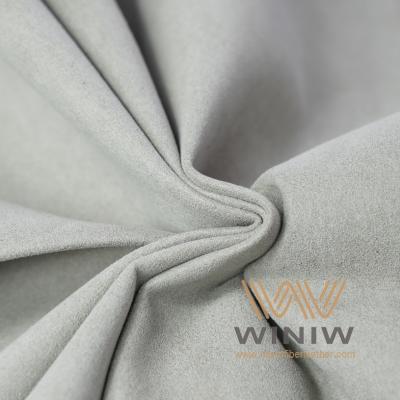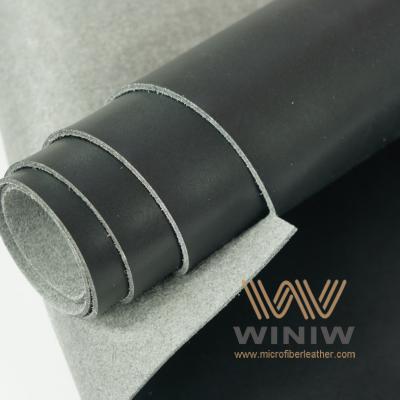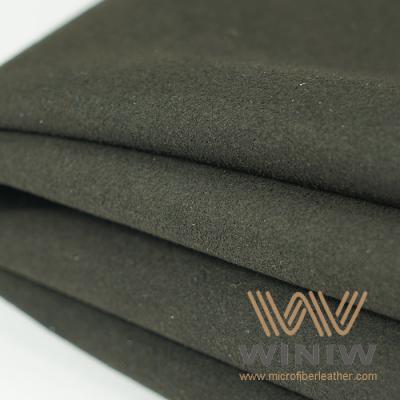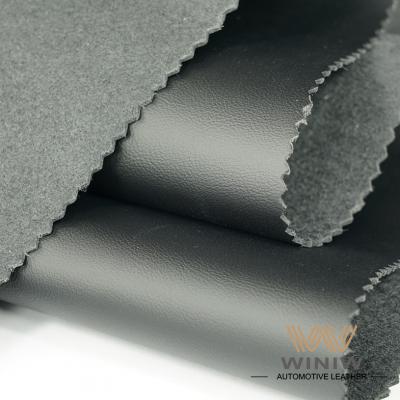
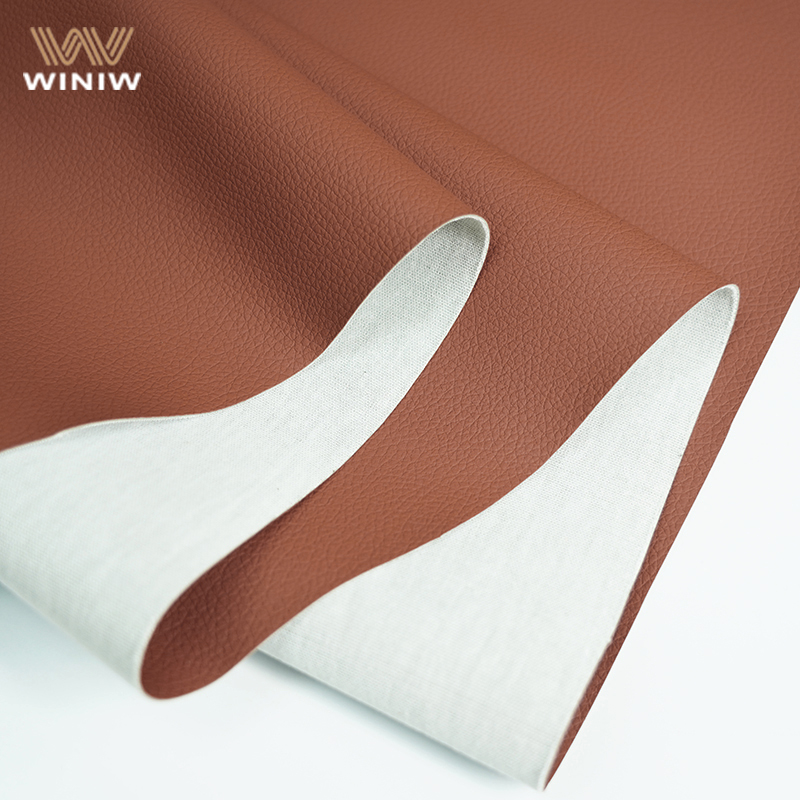
Sie können ganz einfach dafür sorgen, dass Mikrosuede-Bettdecken weich und frisch bleiben, mit einfacher Pflege. Verwenden Sie einfach schonendes Waschen, Trocknen bei niedriger Temperatur, regelmäßiges Aufschütteln und schnelles Fleckenreinigen. Mikrosuede benötigt weniger Aufwand als Baumwolle, bleibt knitterfrei und behält seine Form. Die richtige Pflege sorgt dafür, dass Ihre Bettwäsche neu aussieht und sich großartig anfühlt.
Schütteln Sie Ihre Mikrosuede-Bettdecke täglich auf, damit sie weich bleibt und keine Klumpen entstehen.
Reagieren Sie bei verschütteten Flüssigkeiten schnell, indem Sie sie mit einem sauberen Tuch abtupfen, damit sich Flecken nicht festsetzen.
Waschen Sie Ihre Bettdecke alle paar Monate im Schonwaschgang mit kaltem Wasser, um ihre Weichheit zu erhalten.
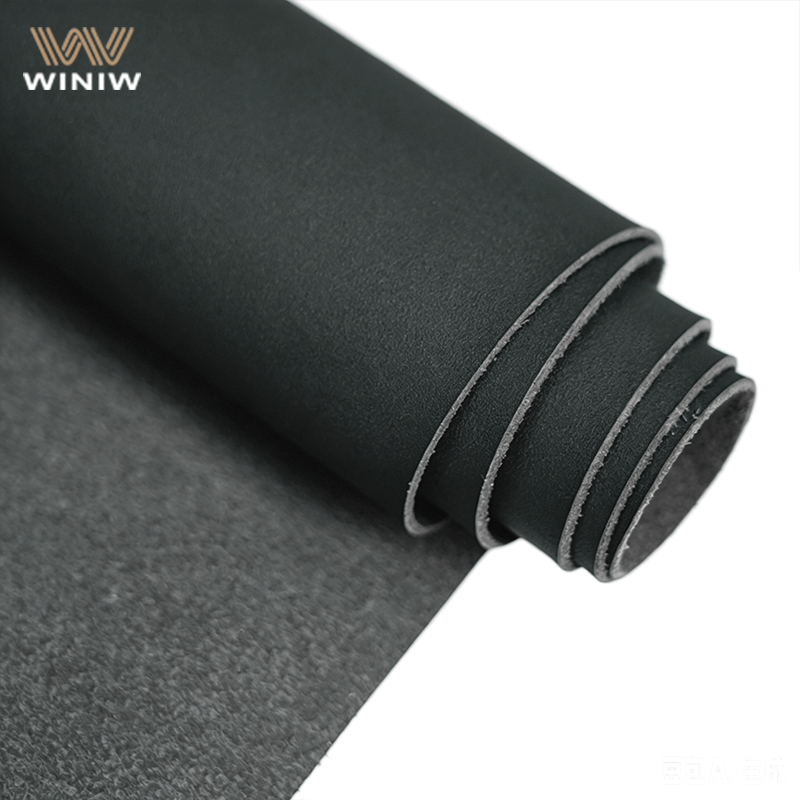
Sie möchten, dass Ihre Bettdecke weich und flauschig bleibt. Geben Sie ihr jeden Morgen eine gute Aufschüttelbewegung. Dieser einfache Schritt hilft, die Füllung gleichmäßig zu verteilen und die Bauschkraft zu erhalten.
Tägliches Aufschütteln verhindert Klumpen und lässt Ihre Bettwäsche frisch aussehen.
Das Ausschütteln hilft Ihnen auch, Flecken oder verschüttete Flüssigkeiten sofort zu erkennen.
Tipp: Machen Sie das Aufschütteln zu einem Teil Ihrer Morgenroutine. Es dauert nur wenige Sekunden, macht aber einen großen Unterschied.
Verschüttete Flüssigkeiten passieren, aber Sie können sie schnell beseitigen. So behandeln Sie häufige Flecken auf Mikrosuede-Bettdecken:
Öl und Fett: Tupfen Sie 3% Wasserstoffperoxid auf den Fleck. Warten Sie bis zu 20 Minuten und spülen Sie dann mit kaltem Wasser ab.
Lebensmittel und Getränke: Entfernen Sie feste Lebensmittelreste, tupfen Sie die Stelle ab, mischen Sie kaltes Wasser und Wasserstoffperoxid, tragen Sie die Mischung auf und lassen Sie sie 10–15 Minuten einwirken. Tupfen Sie erneut ab.
Tinte: Verwenden Sie Reinigungsalkohol oder Handdesinfektionsmittel auf einem Wattebausch. Spülen Sie mit kaltem Wasser ab.
Make-up: Tragen Sie Make-up-Entferner oder Spülmittel auf, reiben Sie vorsichtig, spülen Sie ab und waschen Sie wie gewohnt.
Hinweis: Testen Sie Ihre Reinigungslösung immer zuerst an einer kleinen Stelle. Schnelle Fleckenreinigung hält Ihre Bettdecke wie neu und macht die Pflege einfacher.
Frische Luft wirkt Wunder für Ihre Bettwäsche. Nehmen Sie Ihre Bettdecke an einem sonnigen Tag nach draußen. Sonnenlicht und frische Luft helfen, Bakterien abzutöten und Gerüche zu entfernen.
Regelmäßiges Auslüften lässt Feuchtigkeit entweichen und verringert die Staubansammlung.
Sie können auch den Luftauflockerungs- oder Kaltluftzyklus Ihres Trockners 10 bis 15 Minuten lang verwenden. Fügen Sie Trocknerbälle hinzu, um Klumpenbildung zu verhindern und die Frische zu verbessern.
Zitatblock: „Sonnenschein und frische Luft sind natürliche Möglichkeiten, damit Ihre Bettdecke sauber riecht.“
Tägliche Pflege hält Mikrosuede-Bettdecken weich und einladend. Diese einfachen Schritte helfen Ihnen, Ihre Bettwäsche jeden Tag zu genießen.
Vielleicht wissen Sie nicht, wie oft Sie Ihre Bettdecke waschen sollten. Die meisten Menschen müssen sie nicht jede Woche waschen. Hier sind einige einfache Regeln, die Sie befolgen können:
Wenn Sie Allergien haben, Haustiere besitzen oder in einer feuchten Umgebung leben, waschen Sie sie häufiger.
Achten Sie immer auf Flecken oder verschüttete Flüssigkeiten und reinigen Sie sie sofort.
Häufiges Waschen hält Ihre Bettwäsche frisch und entfernt Staub und Allergene. Wenn Sie unsicher sind, denken Sie daran, dass zu häufiges Waschen Mikrofaserdecken abnutzen kann. Aber zu seltenes Waschen kann dazu führen, dass sie riechen und schmutzig werden.
Tipp: Verwenden Sie einen Bettdeckenbezug, um Ihre Bettdecke sauber zu halten. Dadurch müssen Sie sie nicht so oft waschen.
Es gibt zwei Hauptmethoden, um Mikrofaserdecken zu waschen. Sie können eine Waschmaschine verwenden oder sie von Hand waschen. Jede Methode hat Vorteile. Hier ist eine einfache Tabelle:
|
Aspekt |
Maschinenwäsche |
Handwäsche |
|---|---|---|
|
Wasserverbrauch |
15–30 Gallonen pro Waschladung |
5–10 Gallonen |
|
Zeiteffizienz |
30–60 Minuten |
45–90 Minuten |
|
Fasersicherheit |
Schonende Programme schützen die Fasern |
70 % weniger Schäden durch Reibung |
Wenn Sie eine Waschmaschine verwenden, wählen Sie eine große mit einem Schonprogramm. Verwenden Sie immer kaltes oder warmes Wasser. Dadurch bleiben die Fasern geschützt und Ihre Bettdecke weich. Handwäsche ist gut, wenn Sie besonders schonend vorgehen möchten. Sie verbraucht weniger Wasser und lässt Ihre Bettdecke länger halten.
Hinweis: Geben Sie nicht zu viel in Ihre Waschmaschine. Ihre Bettdecke braucht Platz, um sich zu bewegen.
Die Wahl des richtigen Waschmittels ist wichtig für Mikrofaserdecken. Wählen Sie ein mildes, umweltfreundliches Waschmittel. Verwenden Sie keine mit Phosphaten, Aufhellern, künstlichen Duftstoffen oder starken Chemikalien. Diese können der Umwelt und Ihrer Haut schaden. Einige Waschmittel enthalten Chemikalien, die schlecht für Fische sind und Ihre Gesundheit beeinträchtigen können.
Verwenden Sie nur wenig Waschmittel. Zu viel davon kann Rückstände hinterlassen und Ihre Bettdecke steif machen.
Verwenden Sie keine Weichspüler. Sie überziehen die Fasern und machen Ihre Bettdecke weniger flauschig.
Waschen Sie mit kaltem oder warmem Wasser. Heißes Wasser kann die Fasern beschädigen und die Farben verblassen lassen.
Wenn Sie eine gründliche Reinigung wünschen, bringen Sie Ihre Bettdecke zu einer professionellen Reinigung. Dort werden große Waschmaschinen und spezielle Waschmittel verwendet. Dadurch werden Schmutz und Allergene entfernt und Ihre Bettdecke bleibt weich und sicher für empfindliche Haut.
Hinweis: Durch schonendes Waschen von Mikrofaserdecken bleiben sie flauschig, sauber und halten länger.
Wenn Sie diese Schritte befolgen, wissen Sie, wie Sie Mikrofaserdecken waschen und Ihre Bettwäsche schön halten. Häufiges Waschen, schonende Programme und die Wahl des richtigen Waschmittels helfen Ihren Veloursleder-Mikrofaserbettdecken wirklich.
Wenn Sie Ihre Bettdecke richtig trocknen, bleibt sie weich und flauschig. Sie sollten den größten Trockner verwenden, den Sie finden können. Dadurch hat Ihre Bettdecke viel Platz, um sich zu bewegen. Stellen Sie Ihren Trockner auf die niedrigste Hitzestufe ein. Hohe Hitze kann die Füllung beschädigen und den Stoff steif machen. Es kann mehrere Stunden dauern, Mikrofaser-Bettwäsche zu trocknen. Prüfen Sie zwischen den Trocknungszyklen auf feuchte Stellen. Wenn Sie welche finden, starten Sie einen weiteren Zyklus mit niedriger Temperatur. Vermeiden Sie Trocknertücher, da sie Rückstände hinterlassen und die Weichheit verringern können.
Tipp: Niedrige Hitze schützt die Fasern und hilft Ihrer Bettdecke, länger zu halten.
Das sollten Sie beim Trocknen beachten:
Verwenden Sie für beste Ergebnisse einen Trockner mit großer Kapazität.
Stellen Sie den Trockner auf die niedrigste Hitzestufe ein.
Rechnen Sie mit längeren Trocknungszeiten, manchmal bis zu drei Stunden.
Prüfen Sie auf feuchte Stellen und wiederholen Sie die Zyklen bei Bedarf.
Überspringen Sie Trocknertücher, damit Ihre Bettdecke flauschig bleibt.
Sorgfältiges Trocknen hält Ihre Bettdecke in Topform. Sie vermeiden Schäden und halten die Füllung gleichmäßig verteilt.
Trocknerbälle machen das Trocknen einfacher und schneller. Woll-Trocknerbälle nehmen Feuchtigkeit auf und helfen, die Fasern zu trennen. Dadurch wird die Trocknungszeit um bis zu 50 % reduziert. Sie sparen Energie und Ihre Bettdecke kommt flauschiger heraus. Trocknerbälle machen außerdem Bettwäsche weicher, verringern statische Aufladung und glätten Falten. Sie können drei oder vier saubere Woll-Trocknerbälle oder Tennisbälle verwenden. Sie springen im Trockner herum und lockern die Füllung auf. Dies hilft, Verklumpungen zu verhindern und verbessert die Luftzirkulation.
Woll-Trocknerbälle verkürzen die Trocknungszeit.
Sie machen Mikrofaser-Bettwäsche weicher und verringern statische Aufladung.
Trocknerbälle helfen, Falten zu beseitigen und die Flauschigkeit zu erhöhen.
Die Verwendung mehrerer Bälle verhindert, dass die Füllung zusammenklumpt.
Zitatblock: „Trocknerbälle sind ein einfaches Hilfsmittel, das Ihre Bettdecke flauschig und frisch hält.“
Trocknerbälle funktionieren gut mit Mikrofaser-Bettdecken. Sie erhalten jedes Mal beim Trocknen ein weicheres, frischeres Gefühl.
Nach dem Trocknen möchten Sie die Form und das Volumen Ihrer Bettdecke wiederherstellen. Auflockern ist einfach und macht einen großen Unterschied. Halten Sie zwei Ecken fest und schütteln Sie die Bettdecke. Dadurch wird die Füllung neu verteilt und Klumpen werden aufgelöst. Sie können die Bettdecke auch flach hinlegen und die Füllung vorsichtig mit den Händen massieren. Drücken oder ziehen Sie die Füllung, um sie gleichmäßig zu verteilen. Wenn Sie hartnäckige Klumpen bemerken, geben Sie die Bettdecke mit Trocknerbällen für einen kurzen Luftauflockerungszyklus zurück in den Trockner.
Hier ist eine einfache Routine zum Auflockern:
Halten Sie zwei Ecken fest und schütteln Sie sie, um die Füllung zu verteilen.
Legen Sie die Bettdecke flach hin und massieren Sie die Füllung vorsichtig.
Verwenden Sie den Trockner mit Trocknerbällen im Luftauflockerungsmodus bei hartnäckigen Klumpen.
Hinweis: Auflockern nach dem Trocknen hält Ihre Bettdecke weich und bequem.
Mit diesen Schritten halten Sie Ihre Mikrofaser-Bettwäsche in hervorragendem Zustand. Auflockern hilft, das Volumen zu erhalten, und lässt Ihre Bettdecke nach jedem Waschen wie neu wirken. Regelmäßiges Auflockern ist Teil der guten Pflege von Microsuede-Bettdecken.
Verschüttungen können schnell passieren, daher sollten Sie sofort handeln. Nehmen Sie ein sauberes Tuch und tupfen Sie die Stelle sofort ab. Reiben Sie nicht, da Sie den Fleck sonst tiefer in die Mikrofaser drücken könnten. Wenn Sie ihn früh bemerken, können Sie verhindern, dass sich der Fleck festsetzt. Bei den meisten Verschüttungen funktioniert kaltes Wasser am besten. Sie können den Bereich abtupfen und anschließend an der Luft trocknen lassen. Wenn Sie einen hartnäckigen Fleck sehen, müssen Sie vor dem Waschen möglicherweise einen speziellen Reiniger verwenden.
Tipp: Überprüfen Sie Ihre Bettdecken immer auf neue Flecken, wenn Sie Ihr Bett machen. Frühes Handeln erleichtert das Waschen später.
Sie sollten für jede Art von Fleck den richtigen Reiniger verwenden. Hier ist eine einfache Tabelle, die Ihnen hilft, die beste Methode zur Fleckenbehandlung bei Mikrofaser-Steppdecken:
|
Fleckenart |
Beispiele |
Empfohlene Entfernungstechnik |
|---|---|---|
|
Proteinflecken |
Blut, Schweiß, Körperflüssigkeiten |
Enzymbasiert, nur kaltes Wasser verwenden |
|
Ölbasierte Flecken |
Kosmetika, Lotionen, Körperöle |
Lösungsmittelbasiert, wirkt in 5–10 Minuten |
|
Gerbstoffflecken |
Kaffee, Tee, Wein, Fruchtsäfte |
Sauerstoffbasiert, 30+ Minuten Einwirkzeit |
|
Farbstoffbasierte Flecken |
Haarfärbemittel, farbige Kosmetika |
Sauerstoffbasiert, am schwierigsten |
Verwenden Sie bei Proteinflecken einen enzymatischen Reiniger und kaltes Wasser. Ölflecken benötigen einen lösungsmittelbasierten Reiniger. Gerbstoff- und Farbstoffflecken reagieren am besten auf sauerstoffbasierte Reiniger. Testen Sie Ihren Reiniger immer zuerst an einer kleinen Stelle. Nach der Fleckenbehandlung spülen Sie mit kaltem Wasser und lassen Sie die Stelle trocknen, bevor Sie die gesamte Steppdecke waschen.
Einige Produkte können Mikrofaser-Steppdecken beschädigen. Verzichten Sie auf Bleichmittel, aggressive Chemikalien und heißes Wasser. Diese können die Fasern zersetzen und Farben verblassen lassen. Verwenden Sie beim Waschen niemals Weichspüler. Er überzieht die Fasern und macht sie weniger weich. Vermeiden Sie starkes Schrubben, da dies die Textur beschädigen kann. Wenn Sie den falschen Reiniger verwenden, können Sie den Fleck verschlimmern oder Ihre Steppdecke beschädigen.
Zitatblock: „Sanfte Pflege und die richtigen Waschschritte halten Ihre Mikrosuede-Steppdecken wie neu.“
Wenn Sie diese Tipps befolgen, können Sie Flecken behandeln und Ihre Mikrofaser-Bettwäsche frisch halten. Sorgfältiges Waschen hilft Ihren Steppdecken, länger zu halten und sich jede Nacht weich anzufühlen.
Sie möchten, dass Ihre Mikrosuede-Steppdecken auch bei der Aufbewahrung schön bleiben. Stellen Sie sicher, dass Ihre Bettwäsche sauber und trocken ist, bevor Sie sie weglegen. Durch vorheriges Waschen werden Flecken und Gerüche entfernt. Verwenden Sie zur Aufbewahrung eine Baumwoll-Bettwäschetasche oder eine stabile Kunststoffbox.Verwenden Sie keine Pappe, Zedernholz oder normalen Kunststoff. Diese können Ihre Steppdecke gelblich verfärben. Wenn Sie mehr Platz benötigen, sind vakuumversiegelte Beutel für kurze Zeit geeignet. Legen Sie säurefreies Papier zwischen die Schichten, um zusätzliche Sicherheit zu gewährleisten. Bewahren Sie Ihre Steppdecke immer an einem dunklen, trockenen Ort auf. Dadurch werden Wasser und Sonnenlicht ferngehalten.
Tipp: Legen Sie schwere Decken nach unten und leichtere nach oben. Dadurch bleibt Ihre Bettwäsche ordentlich und wird nicht zusammengedrückt.
Niemand möchte, dass seine Bettwäsche schlecht riecht. Mit ein paar einfachen Schritten können Sie Gerüche verhindern: Waschen und trocknen Sie Ihre Steppdecke gründlich, bevor Sie sie aufbewahren. Legen Sie ein Trockenmittelpäckchen in den Behälter, um Feuchtigkeit aufzunehmen. Wählen Sie einen Ort mit guter Luftzirkulation. Bewahren Sie Ihre Steppdecke nicht in feuchten Kellern oder Schränken auf. Wenn Sie diese Dinge tun, riecht Ihre Steppdecke frisch, wenn Sie sie wieder verwenden. Säurefreies Papier und Stofftaschen helfen ebenfalls, Gerüche, Staub und Insekten fernzuhalten.
Wenn sich das Wetter ändert, wechseln Sie möglicherweise Ihre Bettwäsche. Führen Sie eine gründliche Wäsche einmal im Jahr durch, um Ihre Steppdecke schön zu halten. Stellen Sie sicher, dass sie vollständig trocken ist, bevor Sie sie aufbewahren. Wählen Sie einen trockenen Ort, an dem die Luft zirkulieren kann. Wenn Sie in einer feuchten Gegend leben, verwenden Sie stabile Kunststoffboxen. Wenn Ihr Zuhause trocken ist, eignen sich Stofftaschen gut. Vakuumversiegelte Beutel sind ideal zum Platzsparen, besonders für große Decken.
Zitatblock: „Richtiges Waschen und Aufbewahren Ihrer Steppdecke hält sie weich und einsatzbereit.“
Das Aufbewahren und Pflegen Ihrer Bettwäsche ist einfach. Befolgen Sie diese Schritte, und Ihre Bettdecke bleibt das ganze Jahr über frisch und gemütlich.
Sie denken vielleicht, dass Sie Ihrer Bettwäsche helfen, aber einige Gewohnheiten können Mikrofaser ruinieren. Wenn Sie Ihre Bettdecke mit schweren Kleidungsstücken in die Waschmaschine geben, können die Fasern beschädigt werden. Die Verwendung von heißem Wasser oder hoher Hitze im Trockner macht den Stoff steif und lässt die Füllung schrumpfen. Starkes Schrubben von Flecken kann die Oberfläche beschädigen. Sie sollten Bleichmittel und Weichspüler vermeiden. Diese Produkte hinterlassen Rückstände und machen Ihre Bettdecke weniger weich.
Tipp: Waschen Sie Mikrofaser immer allein und verwenden Sie schonende Waschgänge. Dadurch bleibt Ihre Bettwäsche flauschig und strapazierfähig.
Vielleicht hören Sie einige ungewöhnliche Ratschläge zur Pflege von Microsuede-Bettdecken. Manche Menschen sagen, dass man sie jede Woche waschen muss. Das stimmt nicht. Zu häufiges Waschen nutzt die Fasern ab. Andere glauben, dass man für jeden Fleck spezielle Reinigungsmittel verwenden muss. Die meisten Flecken lassen sich mit milder Seife und kaltem Wasser entfernen. Sie benötigen keine teuren Produkte. Manche denken, dass Mikrofaser-Bettwäsche kein Sonnenlicht verträgt. Tatsächlich hilft es, Ihre Bettdecke in der Sonne auszulüften, Gerüche zu entfernen.
|
Mythos |
Realität |
|---|---|
|
Wöchentlich waschen |
Alle paar Monate waschen |
|
Nur spezielle Reinigungsmittel wirken |
Milde Seife ist normalerweise ausreichend |
|
Sonnenlicht ruiniert Mikrofaser |
Sonnenlicht hilft, Bettwäsche aufzufrischen |
Vielleicht möchten Sie Probleme schnell beheben, aber einige Abkürzungen funktionieren nicht. Das Aufsprühen von Lufterfrischer auf Ihre Bettdecke überdeckt nur Gerüche. Es reinigt die Fasern nicht. Die Verwendung einer Fusselrolle zum Entfernen von Flecken hilft nicht. Sie drückt den Schmutz nur tiefer hinein. Das Bügeln von Mikrofaser-Bettwäsche kann den Stoff schmelzen. Sie sollten sich an richtige Pflegeschritte halten, um langanhaltende Ergebnisse zu erzielen.
Blockzitat: „Schnelle Lösungen verursachen oft mehr Probleme. Sanfte Pflege hält Ihre Bettdecke weich und sauber.“
Sie können Ihre Microsuede-Bettdecken mit einfachen Schritten weich und schön halten.
Schütteln Sie Ihre Bettwäsche jeden Tag auf, um sie sauber zu halten.
Beseitigen Sie Flecken sofort.
Waschen Sie Ihre Bettdecke schonend.
Trocknen Sie sie bei niedriger Temperatur.
Bewahren Sie sie an einem sauberen, sicheren Ort auf.
Eine schonende Pflege von Mikrofaser hilft, sie länger haltbar zu machen. Reinigen Sie Ihre Bettdecke regelmäßig. Reinigen Sie sie nach Verschütten von Flüssigkeiten. Reinigen Sie sie, bevor Sie sie weglegen. Verwenden Sie milde Seife beim Waschen. Verwenden Sie auch sanftes Wasser. Gehen Sie vorsichtig mit Ihren Händen damit um. Verwenden Sie schonende Waschgänge in der Waschmaschine. Trocknen Sie sie schonend. Schütteln Sie sie vorsichtig auf. Lagern Sie sie schonend. Dadurch bleibt Ihre Bettdecke weich und gemütlich. Sie werden mit einer sauberen Bettdecke besser schlafen. Sie werden sanfte Nächte und Morgen genießen. Sie werden sanfte Tage und Jahreszeiten erleben. Ihre Bettdecke bleibt jahrelang schön.
Sehen Sie zuerst auf das Pflegeetikett für Anweisungen. Verwenden Sie beim Waschen kaltes Wasser. Wählen Sie den Schonwaschgang Ihrer Waschmaschine. Waschen Sie Ihre Velours-Mikrofaser-Decke allein. Dies hilft, sie in gutem Zustand zu halten.
Prüfen Sie das Pflegeetikett, bevor Sie ein Waschmittel auswählen. Meistens ist ein mildes Waschmittel am besten. Verwenden Sie kein Bleichmittel oder keinen Weichspüler. Diese können Ihre Velours-Mikrofaser-Decke beschädigen.
Sie können die Decke ausschütteln, um Falten zu glätten. Sie können auch den Lufttrocknungsmodus des Trockners verwenden. Verwenden Sie keine hohe Hitze. Ihre Velours-Mikrofaser-Decke wird wieder glatt aussehen.
Tipp: Lesen Sie immer das Pflegeetikett, bevor Sie Ihre Velours-Mikrofaser-Decke waschen oder trocknen. Dies hilft, sie weich und frisch zu halten.
Wenn Sie das Pflegeetikett verlieren, suchen Sie online nach der Marke Ihrer Velours-Mikrofaser-Decke.
Sie können die Pflegeschritte aufschreiben und in der Nähe Ihrer Wäsche aufbewahren.
Bitten Sie das Geschäft um Hilfe, wenn Sie die Anweisungen benötigen.
|
Schritt |
Beispiel für Anweisungen |
|---|---|
|
Waschen |
Verwenden Sie den Schonwaschgang, wie es das Pflegeetikett angibt |
|
Trocknen |
Verwenden Sie niedrige Hitze oder die Auflockerungsfunktion, wie angegeben |
|
Fleckenentfernung |
Reinigen Sie Flecken punktuell, wie es das Pflegeetikett vorgibt |
Zitatblock: „Klare Pflegeschritte machen es einfach, Ihre Wildleder-Mikrofaserdecke zu pflegen.“
Winiw International Co.,Ltd


Scan zu wechat:



 Tel : +86 18150976625
 E-Mail : Market@MicrofiberLeather.com