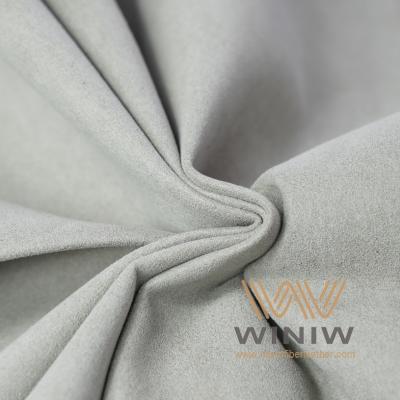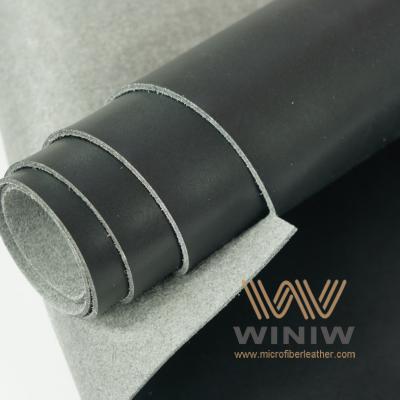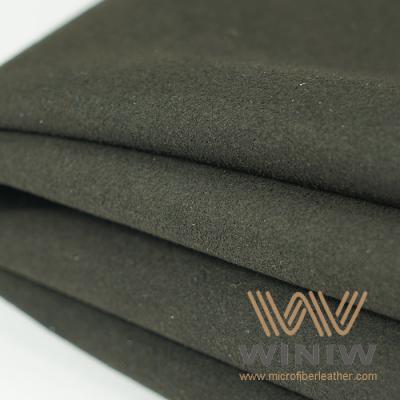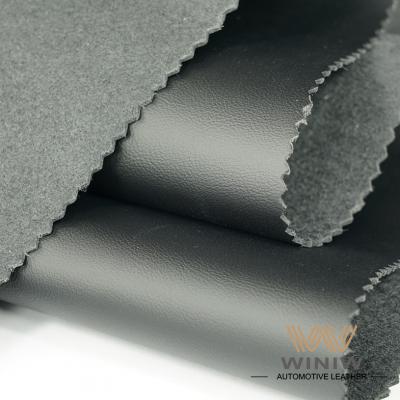
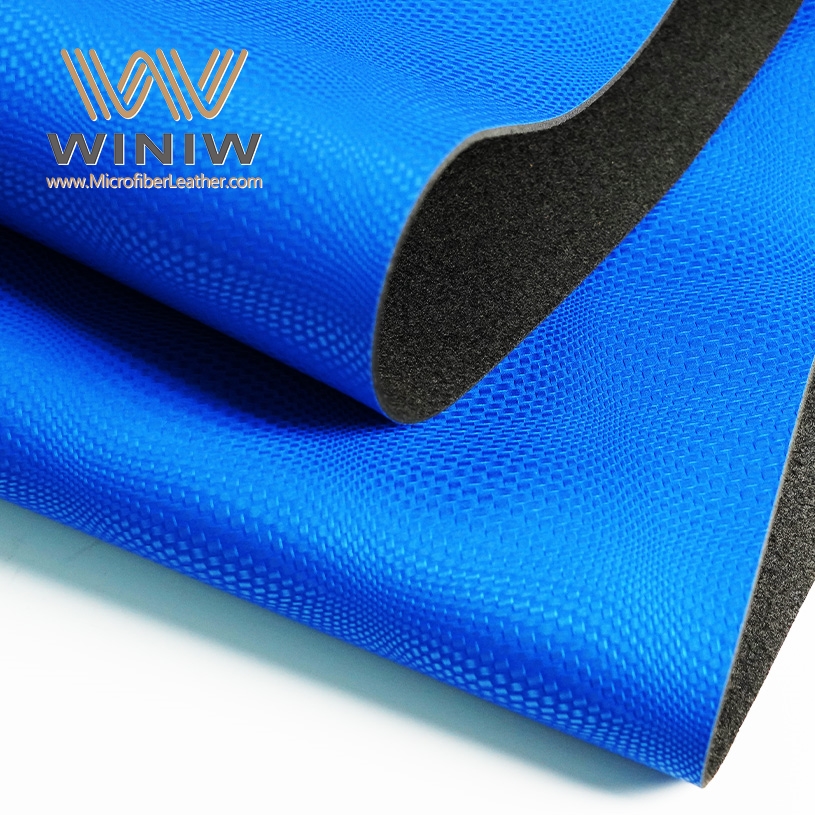
Wenn Sie Schuhe auswählen PU-Leder Sie erhalten ein Produkt, das sich durch sein realistisches Aussehen, seine Kratzfestigkeit und seine einfache Pflege auszeichnet. PU-Leder ist bei Schuhen vielseitig einsetzbar, sowohl für Obermaterial als auch für Sohlen. Diese Schuhe sind oft kostengünstig, tierfreundlich und modisch und entsprechen somit Ihrem Budget und Ihren Werten.
PU-Leder Schuhe bieten eine stilvolle und erschwingliche Alternative zu echtem Leder und sind somit für jedermann zugänglich.
Diese Schuhe sind pflegeleicht; wischen Sie sie einfach mit einem feuchten Tuch ab, damit sie wie neu aussehen.
Die Wahl von PU-Leder unterstützt tierfreundliche Praktiken, da hierbei keine Tierhäute verwendet werden.
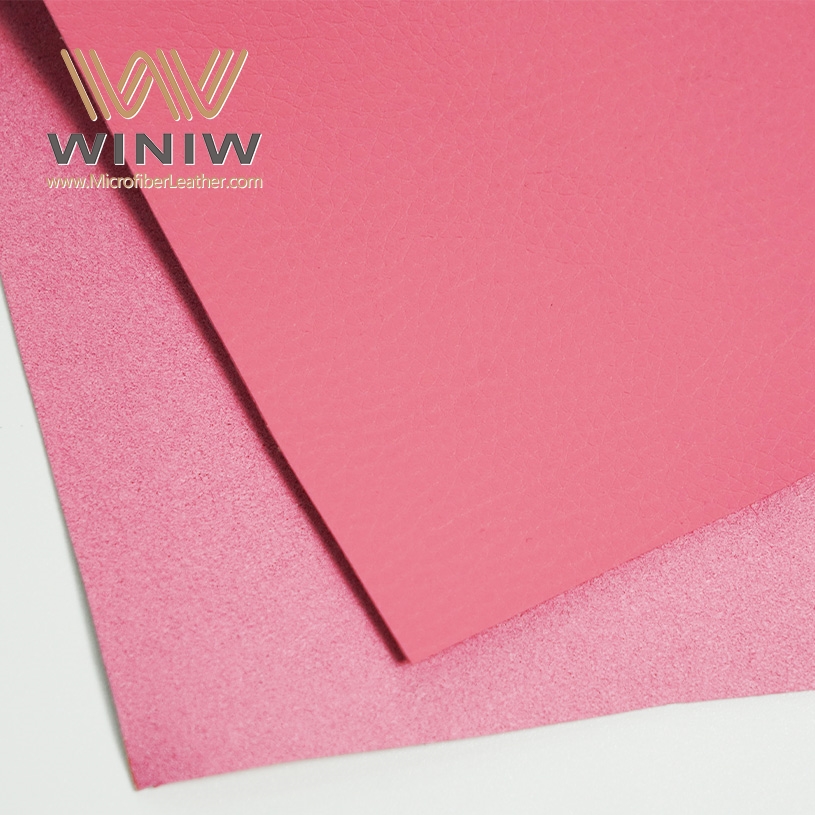
Schuhe aus PU-Leder sieht man überall, von sportlichen Sneakern bis hin zu stylischen Stiefeln. PU-Leder, auch bekannt als Polyurethanleder PU-Leder ist ein synthetisches Material, das echtes Leder in Aussehen und Haptik imitiert. Hersteller verwenden es für viele Bereiche von Schuhen, darunter Obermaterial, Zwischensohle, Laufsohle und Innensohle. Die Verwendung von PU-Leder in Schuhen bietet Ihnen eine große Auswahl an modischen und funktionalen Modellen.
Zwischensohle: PU-Schaum dämpft Ihre Füße und sorgt so für angenehmen Tragekomfort bei jedem Schritt im Alltag.
Laufsohlen: Mikrozelluläres PU sorgt für Rutschfestigkeit und Haltbarkeit, sodass Ihre Schuhe länger halten.
Einlegesohlen: PU-Einlegesohlen bieten eine Memory-ähnliche Unterstützung und passen sich der Form Ihres Fußes an.
Obermaterial aus Synthetikleder: PU-beschichtete Materialien sorgen für eine glatte, wetterbeständige Oberfläche.
Sie profitieren von Schuhen aus PU-Leder, weil sie Stil, Komfort und Funktionalität vereinen. Kunstleder in Schuhen spricht auch diejenigen an, die tierfreundliche Alternativen wünschen.
Wenn man versteht, wie PU-Leder hergestellt wird, kann man seinen Wert besser einschätzen. Der Produktionsprozess von PU-Leder umfasst mehrere Schritte, um Qualität und Konsistenz zu gewährleisten. Hier ein Überblick über den typischen Produktionsprozess von PU-Leder für Schuhe:
|
Schritt |
Beschreibung |
|---|---|
|
Grundgewebevorbereitung |
Reinigung und Formgebung gängiger Basismaterialien wie Vliesstoffe, Strickwaren und Webwaren. |
|
Beschichtung |
Auftragen von Harzschlämmen mittels Methoden wie Rakelbeschichtung und Walzenbeschichtung. |
|
Trocknung |
Verdampfung des Lösungsmittels in einem Heißlufttrockenschrank zur Bildung eines festen Polyurethanfilms. |
|
Oberflächenbehandlung |
Veredelungen wie Prägen, Färben und Bedrucken zur Verbesserung der dekorativen und funktionalen Eigenschaften. |
|
Formen und Fertigstellen |
Techniken wie Heißpressen und Kaltpressen zur Verbesserung der Verschleiß- und Wasserbeständigkeit. |
|
Immersion Koagulation |
Bei der Nassverarbeitung reagiert die Harzschicht mit Wasser und bildet einen Film. |
|
Reinigung |
Entfernung von Restlösungsmitteln und Nebenprodukten zur Gewährleistung der Gesundheits- und Umweltsicherheit. |
|
Endtrocknung |
Verwendung von Vakuum- oder Heißluftgeräten zur Stabilisierung des Films. |
Hersteller wählen je nach gewünschter Optik und Funktionalität häufig zwischen verschiedenen PU-Lederarten, wie beispielsweise Zweikomponenten-, beschichtetem, zweilagigem oder geprägtem Leder. Der Herstellungsprozess von PU-Leder ermöglicht eine Vielzahl von Texturen und Oberflächen, wodurch Kunstlederschuhe vielseitig und attraktiv sind.
Vergleicht man PU-Leder mit Echtleder, fallen einige praktische Unterschiede auf. PU-Leder wird aus synthetischen Materialien hergestellt, während Echtleder aus Tierhäuten gewonnen wird. Dieser Unterschied wirkt sich auf Kosten, Haltbarkeit, Aussehen und Pflege aus.
|
Besonderheit |
PU-Leder |
Echtes Leder |
|---|---|---|
|
Haltbarkeit |
Verschleißfester als manche Synthetikmaterialien, aber weniger haltbar als Echtleder. Hält mehrere Monate bis Jahre. |
Bei richtiger Pflege kann es bis zu 100 Jahre halten, oft aber 30 Jahre oder länger. |
|
Aussehen |
Neigt mit der Zeit zu Rissen, Ausbleichen und Abblättern. |
Entwickelt mit der Zeit eine natürliche Patina, die sein Aussehen verbessert. |
|
Material |
Kostenvergleich |
Wartungsanforderungen |
|---|---|---|
|
PU-Leder |
Deutlich günstiger |
Minimaler Pflegeaufwand, nur ein feuchtes Tuch nötig |
|
Echtes Leder |
Höhere Preise aufgrund von Gerbung und Beschaffung |
Erfordert regelmäßige Pflege und spezielle Betreuung. |
Schuhe aus Kunstleder bieten eine gleichmäßige Oberfläche und sind pflegeleichter. Echtlederschuhe hingegen entwickeln mit der Zeit eine einzigartige Patina und können bei richtiger Pflege jahrzehntelang halten. PU-Leder ist preiswert, leicht zu reinigen und vegan. Zu den Nachteilen zählen die geringere Atmungsaktivität und die Neigung zu Rissen oder Abblättern bei starker Beanspruchung.
Wer strapazierfähige, stylische und tierfreundliche Schuhe für den Alltag sucht, findet in Schuhen aus PU-Leder eine praktische Lösung. So genießen Sie die Optik von Leder ohne die höheren Kosten und den größeren Pflegeaufwand.
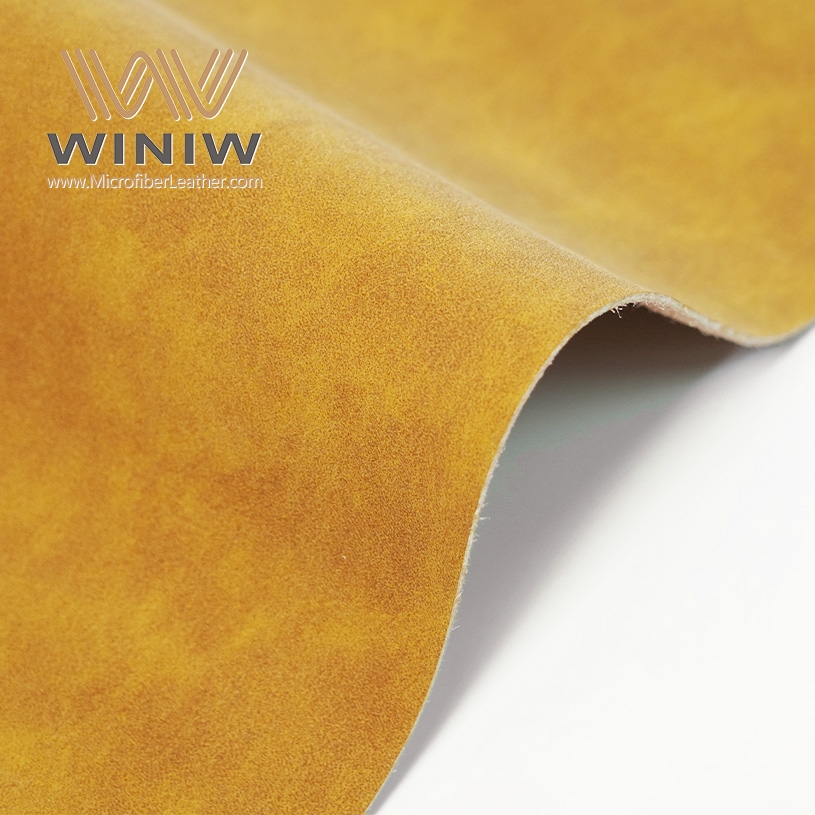
Man kann viele finden Vorteile von PU-Leder Wenn Sie Schuhe aus PU-Leder für Ihre Garderobe auswählen, bietet das Material eine Kombination aus Stil, Komfort und Funktionalität. Hier ist eine Tabelle, die die wichtigsten Vorteile von PU-Leder hervorhebt:
|
Vorteil |
Beschreibung |
|---|---|
|
Kosteneffizienz |
PU-Leder wird zu geringeren Kosten als Echtleder hergestellt und ist daher eine erschwingliche Alternative. |
|
Wasserbeständigkeit |
PU-Leder ist im Allgemeinen wasserabweisend und bietet daher einen gewissen Schutz vor Wasser. |
|
einfache Reinigung |
Es ist leichter zu reinigen als herkömmliches Leder, da es keine Flüssigkeiten aufnimmt. |
|
Haltbarkeit |
PU-Leder ist verschleißfest und behält sein Aussehen über lange Zeit. |
|
Umweltfreundlichkeit |
Da es aus synthetischen Materialien hergestellt wird, benötigt es keine Tierhäute und ist somit eine ethischere Wahl. |
Schuhe aus PU-Leder bieten Ihnen viele Vorteile, denn sie sind vegan und tierversuchsfrei. Im Vergleich zu Echtleder benötigen sie in der Produktion weniger Wasser und Energie. Mit veganen Alternativen tragen Sie außerdem dazu bei, Abholzung und Umweltverschmutzung zu reduzieren. Dank der vielfältigen Einsatzmöglichkeiten von PU-Leder finden Sie garantiert das passende Modell – von sportlichen Sneakern bis hin zu eleganten Business-Schuhen.
Tipp: Wenn Sie eine tierfreundliche und nachhaltige Wahl treffen möchten, bieten Schuhe aus PU-Leder eine hervorragende Alternative zu Schuhen aus tierischen Materialien. Produkte Die
Sie sollten vor dem Kauf auch die Nachteile von PU-Leder bedenken. Das Material hat einige Nachteile, die seine Leistungsfähigkeit und Lebensdauer beeinträchtigen. Hier sind die wichtigsten Nachteile von PU-Leder:
PU-Leder ist weniger haltbar als echtes Leder und neigt bei wiederholtem Tragen zu Rissen, Abblättern oder Texturverlust.
Das Material ist anfällig für Beschädigungen durch unsachgemäße Behandlung oder Hitze, was zu einer kürzeren Lebensdauer von Schuhen aus PU führt.
Das Aussehen von PU-Schuhen verschlechtert sich schnell; bei regelmäßigem Gebrauch kommt es zu Ausbleichen und Rissbildung.
Beim Vergleich von Echtleder und PU-Leder fällt auf, dass Echtleder jahrzehntelang halten kann, während Schuhe aus PU-Leder bei täglichem Gebrauch in der Regel nur 1 bis 3 Jahre halten. Die folgende Tabelle vergleicht die Lebensdauer verschiedener Materialien:
|
Material |
Lebensdauer |
|---|---|
|
PU-Leder |
1 bis 3 Jahre |
|
Echtes Leder |
Jahrzehnte |
Sie werden feststellen, dass Schuhe aus PU-Leder nicht so atmungsaktiv sind wie Echtleder. Bei warmem Wetter können sie sich weniger angenehm anfühlen. Zu den Nachteilen von PU-Leder gehört die Neigung zu Rissen oder Abblättern, insbesondere wenn die Pflegehinweise nicht beachtet werden.
Sie können die Lebensdauer Ihrer Schuhe verlängern, indem Sie PU-Leder richtig pflegen. Hier sind einige praktische Schritte zur Reinigung und zum Schutz von PU-Leder vor Beschädigungen:
Wischen Sie die Oberfläche mit einem weichen, feuchten Tuch ab, um Staub und Schmutz zu entfernen.
Bei hartnäckigeren Flecken verwenden Sie eine milde Seife oder ein mildes Reinigungsmittel, zum Beispiel verdünntes Spülmittel.
Um Schäden an der PU-Beschichtung zu vermeiden, sollten Sie aggressive Chemikalien wie Aceton oder Bleichmittel meiden.
Immer an der Luft bei Raumtemperatur trocknen lassen und direkte Wärmequellen vermeiden.
Bewahren Sie Ihre Schuhe an einem kühlen, trockenen Ort und vor längerer Sonneneinstrahlung geschützt auf.
Faltenbildung lässt sich durch die Verwendung geeigneter Schuhspanner oder durch leichtes Ausstopfen der Schuhe verhindern.
Notiz: Verwenden Sie keine ölhaltigen oder herkömmlichen Lederpflegeprodukte für PU-Leder. Diese Produkte können die Oberfläche beschädigen. Wenn Sie wissen möchten, wie Sie PU-Leder richtig pflegen, denken Sie daran, dass schonende Reinigung und sachgemäße Aufbewahrung entscheidend sind.
Sie fragen sich vielleicht, wie sich PU-Leder im Vergleich zu anderen Materialien auf die Umwelt auswirkt. Die Herstellung von PU-Leder verbraucht weniger Wasser und Energie als die von Echtleder. Da keine Tierhaltung erforderlich ist, werden Treibhausgasemissionen reduziert. Die folgende Tabelle bietet einen Vergleich:
|
Aspekt |
PU-Leder |
Echtes Leder |
|---|---|---|
|
Rohstoffe |
Polymere auf Erdölbasis (nicht erneuerbar) |
Tierhäute (Nebenprodukt der Fleischindustrie) |
|
Produktionsprozess |
Geringerer Land- und Wasserverbrauch; beinhaltet chemische Lösungsmittel |
Energieintensive Gerbung; giftiges Abwasser |
|
CO2-Fußabdruck |
Mäßig; niedriger als die Rindfleischproduktion |
Hoch; verbunden mit Rinderzucht und Gerberei |
|
Tierschutz |
Tierversuchsfrei; keine Tiere wurden verletzt. |
Beinhaltet die Schlachtung von Tieren |
|
biologische Abbaubarkeit |
Niedrig; langsam abbaubar, kann Mikroplastik freisetzen |
Höher; natürliches Material zersetzt sich mit der Zeit |
Sie sollten wissen, dass das Recycling von PU-Leder aufgrund seiner Verbundstruktur schwierig ist. Die meisten Recyclinganlagen können die Kunststoffbeschichtung nicht vom Trägermaterial trennen. Obwohl einige Marken Rücknahmeprogramme entwickeln, bleibt der Prozess eine Herausforderung. Im Vergleich zu Echtleder weisen beide Materialien ökologische Nachteile auf, PU-Leder verursacht jedoch weniger Umweltverschmutzung und verbraucht weniger Ressourcen.
Tipp: Wenn Sie Ihren ökologischen Fußabdruck verringern möchten, achten Sie auf Marken, die recycelte oder biobasierte PU-Materialien verwenden.
Sie können nun die Vor- und Nachteile von PU-Leder abwägen, wenn Sie sich für Ihr nächstes Paar Schuhe entscheiden. Das Verständnis der Vor- und Nachteile von PU-Leder hilft Ihnen, eine fundierte Entscheidung zu treffen, die Ihren Bedürfnissen, Werten und Ihrem Lebensstil entspricht.

Wenn man vergleicht PU-Leder Vergleicht man Schuhe mit solchen aus anderen Materialien, fallen die deutlichen Unterschiede in Komfort, Funktionalität und Stil auf. Viele bevorzugen PU-Leder wegen seines leichten Tragegefühls, das die Fußermüdung bei alltäglichen Aktivitäten reduziert. Die weiche Textur von PU trägt ebenfalls zum Komfort bei, insbesondere bei langem Stehen oder Gehen. Die wichtigsten Unterschiede sind in der folgenden Tabelle aufgeführt:
|
Besonderheit |
Schuhe aus PU-Leder |
Schuhe aus echtem Leder |
|---|---|---|
|
Gewicht |
Leicht und reduziert die Fußermüdung |
Schwereres Gewicht kann mit der Zeit zu Ermüdung führen. |
|
Flexibilität |
Biegt sich an Belastungspunkten leicht. |
Weniger flexibel, kann knittern oder reißen |
|
Haltbarkeit |
Mit der Zeit weniger haltbar |
Langlebiger, hält starker Beanspruchung stand |
|
Atmungsaktivität |
Weniger atmungsaktiv, beeinträchtigt den Tragekomfort |
Atmungsaktiver, besser für längere Nutzung geeignet |
|
Wasserbeständigkeit |
Natürlich wasserbeständiger |
Erfordert eine Behandlung zur Gewährleistung der Wasserbeständigkeit. |
|
Wartung |
Lässt sich leichter mit einem feuchten Tuch reinigen. |
Erfordert mehr Pflege und Konditionierung |
PU-Leder wird häufig für trendige und lässige Schuhe verwendet, da es eine lederähnliche Optik zu einem günstigeren Preis bietet. Viele Marken setzen auf PU, um stylische Modelle für preisbewusste Käufer zu kreieren. Während Echtleder aufgrund seiner Anpassungsfähigkeit an den Fuß und seiner Langlebigkeit weiterhin beliebt ist, zeichnet sich PU-Leder durch seine Flexibilität, sein geringes Gewicht und seine Rissbeständigkeit aus.
Mit ein paar einfachen Schritten können Sie beim Kauf von Schuhen aus PU-Leder eine kluge Wahl treffen:
Prüfen Sie die Qualität des PU-Leders. Achten Sie auf gute Atmungsaktivität, angemessene Dicke und eine glatte Oberfläche.
Untersuchen Sie die Verarbeitung der Schuhe. Starke Klebstoffe, saubere Nähte und verstärkte Belastungspunkte deuten auf eine bessere Konstruktion hin.
Wählen Sie Modelle, die den aktuellen Trends und Ihren Bedürfnissen entsprechen. Modische Designs machen Ihre Schuhe vielseitiger.
Viele Käufer machen Fehler, weil sie den Unterschied zwischen PU-Leder und Echtleder nicht kennen. Achten Sie daher immer auf Qualitätsmerkmale und überlegen Sie, wie lange Ihre Schuhe halten sollen. Wenn Sie die Schuhe täglich tragen möchten, wählen Sie robuste und bequeme Modelle. PU-Leder bietet eine gute Balance aus Stil, Preis und Pflegeleichtigkeit und ist somit eine praktische Wahl für viele Anlässe.
Sie sehen also, dass PU-Leder flexible, preiswerte und pflegeleichte Schuhe bietet. Die folgende Tabelle hebt die wichtigsten Vor- und Nachteile hervor:
|
Vorteile |
Nachteile |
|---|---|
|
Flexibel |
Weniger haltbar |
|
Erschwinglich |
Nicht atmungsaktiv |
|
Wartungsfreundlich |
Starker chemischer Geruch |
Um die beste Passform zu finden, beachten Sie folgende Tipps:
Materialqualität und Verarbeitung prüfen.
Untersuchen Sie die Nähte und die Verarbeitung.
Berücksichtigen Sie Preis und Markenreputation.
Passen Sie die Funktionalität Ihren Bedürfnissen an.
Beachten Sie die Pflegeanforderungen.
Entdecken Sie PU-Schuhe – sie vereinen Stil, Langlebigkeit und ethische Vertretbarkeit.
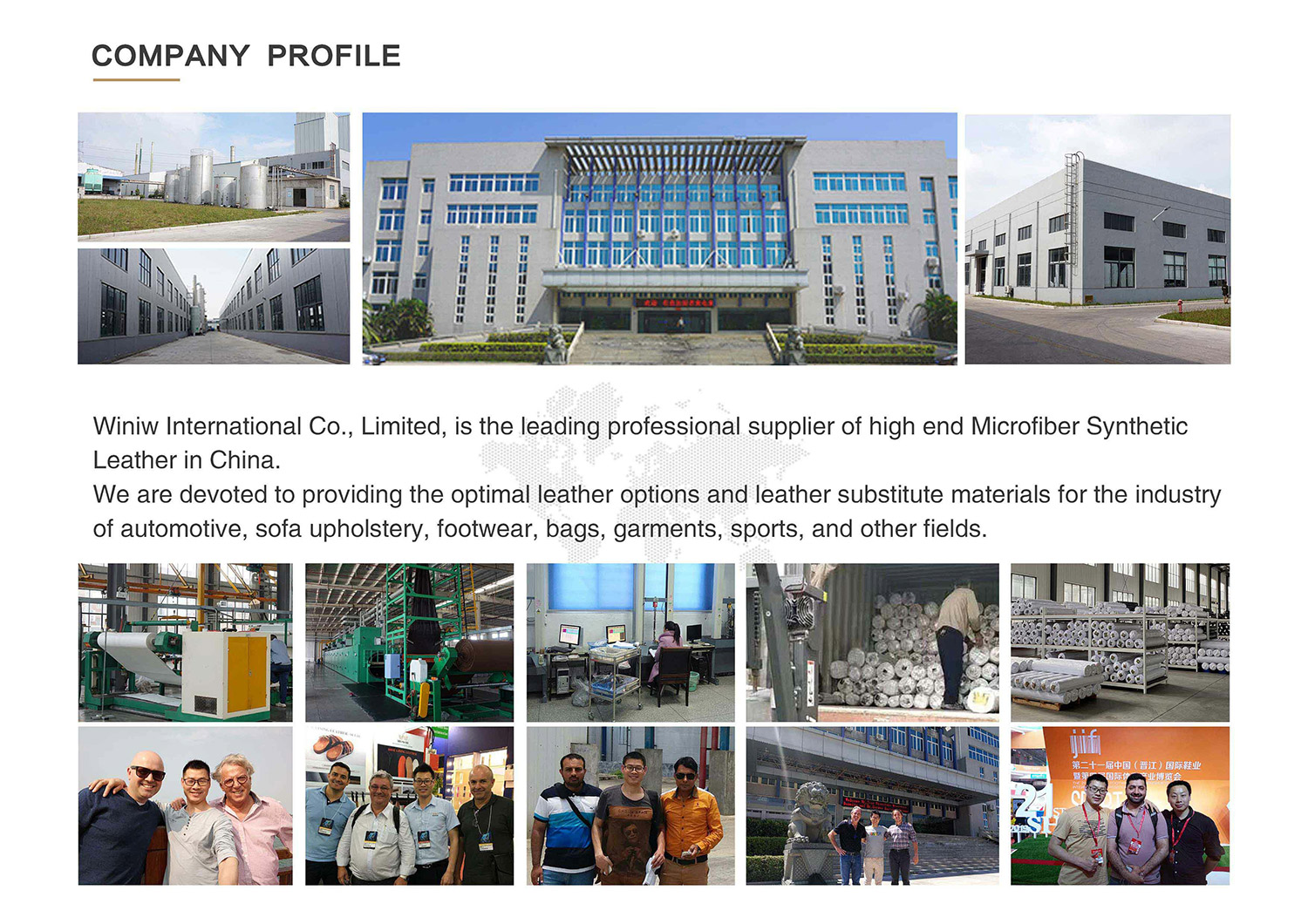
Sie erhalten Schuhe mit realistischer Lederoptik. PU-Leder bietet im Vergleich zu vielen anderen synthetischen Materialien eine bessere Kratzfestigkeit und einen höheren Tragekomfort.
PU-Schuhe können auch bei leichtem Regen getragen werden. Das Material ist wasserabweisend, dennoch sollten Sie vermeiden, die Schuhe komplett durchnässen zu lassen, damit sie lange wie neu aussehen.
Schuhe aus PU-Leder lassen sich mit einem feuchten Tuch abwischen. Hartnäckige Flecken können mit milder Seife behandelt werden. Um die Oberfläche zu schonen, sollten aggressive Chemikalien vermieden werden.
Winiw International Co.,Ltd


Scan zu wechat:



 Tel : +86 18150976625
 E-Mail : Market@MicrofiberLeather.com