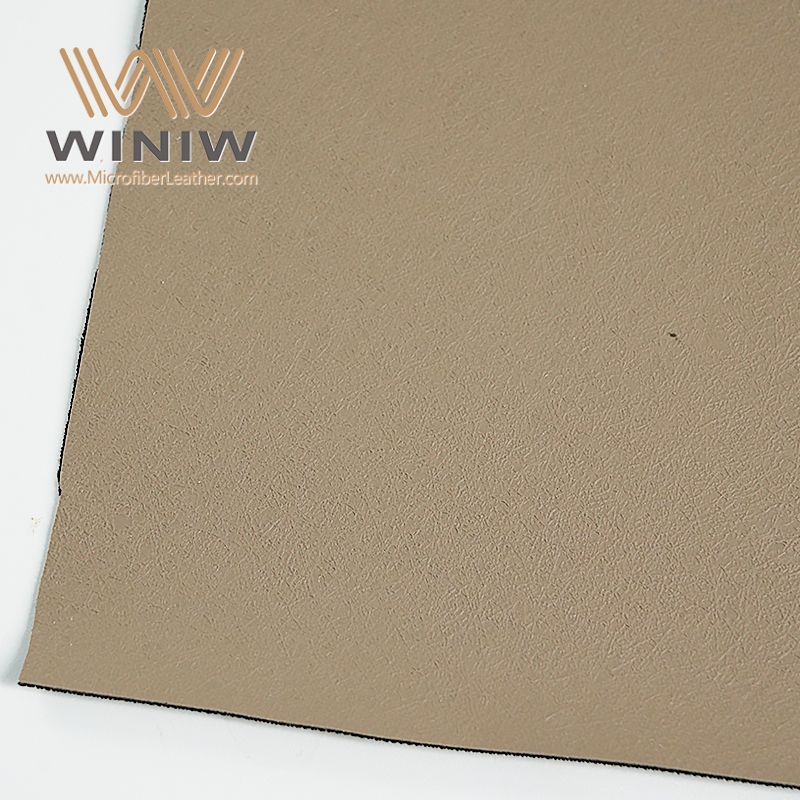
Leder findet sich in der Mode und bei Polstermöbeln gleichermaßen wieder, da dieses strapazierfähige und vielseitige Material seit Jahrhunderten geschätzt wird. Schon die frühen Menschen nutzten Leder für Kleidung und Behausungen. Im Laufe der Zeit entwickelten die Zivilisationen Gerbverfahren, um die Haltbarkeit von Naturleder zu verlängern.
Die Menschen der Vorgeschichte trugen Leder und nutzten es als Behausung.
Die alten Griechen stellten Sandalen aus Leder her, und die Römer verwendeten es für Rüstungen.
Zünfte trieben die Lederverarbeitung im Mittelalter voran.
Im 19. Jahrhundert wurde die Chromgerbung zur schnelleren Produktion eingeführt.
Moderne Designer entwickeln Leder immer wieder aufs Neue.
Man findet Vollnarbenleder häufig bei Möbeln und Kleidung. Mittlerweile gibt es Alternativen aus synthetischen Materialien. Wenn Sie den Unterschied zwischen Stoff und Leder kennen, können Sie das beste Material für Ihre Bedürfnisse auswählen.
Ledertextilien blicken auf eine lange Geschichte zurück und haben sich von einem Gebrauchsgegenstand zu einem Symbol für Stil und Status entwickelt. Das Verständnis ihrer Ursprünge hilft, ihren Wert in Mode und Polsterei zu schätzen.
Verschiedene Lederarten Holzarten wie Vollnarbenholz und Oberholz bieten einzigartige Eigenschaften. Die Wahl der richtigen Holzart entsprechend Ihren Bedürfnissen gewährleistet Langlebigkeit und Komfort in Ihren Projekten.
Die richtige Pflege von Leder verlängert seine Lebensdauer. Regelmäßige Reinigung und Pflege halten das Leder weich und beugen Beschädigungen vor, wodurch es eine lohnende Investition darstellt.
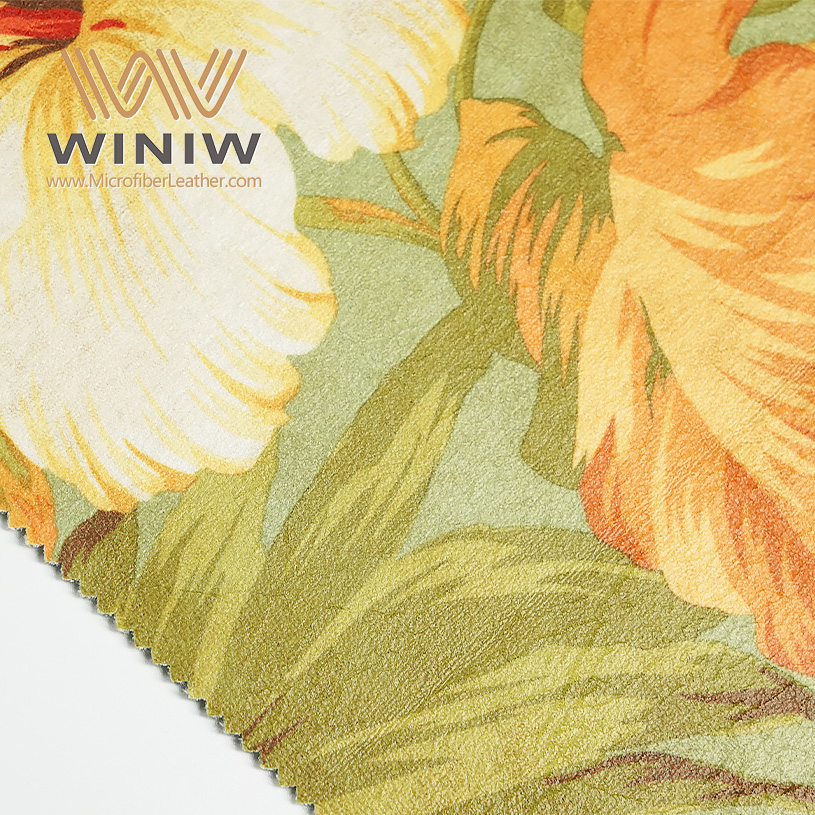
Ledertextilien entstehen an der Schnittstelle von Natur und Handwerkskunst. Diese Stoffe werden aus Tierhäuten und -fellen hergestellt, die Menschen seit Jahrtausenden nutzen. Schon die frühen Menschen verließen sich auf Leder zum Schutz und zur Wärmespeicherung. Im Laufe der Zeit entwickelte sich Leder von einem Gebrauchsgegenstand zu einem Symbol für Status und Stil.
Zu den wichtigsten Lederlieferanten gehören:
Häute von Rindern und Wasserbüffeln
Felle von Schaf, Ziege, Schwein und Hirsch
Exotische Optionen wie Schlange, Alligator, Krokodil und Strauß
Heute macht Rindsleder etwa 67 % der weltweiten Lederproduktion aus. Schaf-, Ziegen-, Schweins- und exotische Lederarten decken den Rest ab. Jede Lederart besitzt einzigartige Eigenschaften und eignet sich daher für unterschiedliche Verwendungszwecke.
Wenn man in die Geschichte blickt, sieht man den Weg des Leders:
In der Antike nutzten die Menschen Leder für Schutzkleidung und Werkzeuge.
Im Mittelalter wurde Leder für Rüstungen und Alltagsgegenstände unverzichtbar.
Die Renaissance machte Leder zu einem luxuriösen Material für kunstvolle Kleidungsstücke.
Die industrielle Revolution brachte Maschinen hervor, die Leder leichter verfügbar machten.
In der heutigen Zeit findet man Leder in Mode, Möbeln, Autos und Sportartikeln.
Rohe Tierhäute können nicht als Stoff verwendet werden, da sie schnell verrotten. Der Gerbprozess ändert dies. Durch das Gerben werden die vergänglichen Häute in strapazierfähiges Ledergewebe verwandelt. Zunächst erfolgen Vorbereitungsschritte wie Aushärten, Einweichen und Äschen. Diese Schritte reinigen und machen die Häute weicher.
Die wichtigsten Schritte beim Bräunen sind:
Vorbereitung Pökeln, Einweichen, Kalken, Entfleischen, Spalten, Entkalken, Panieren und Einlegen.
Bräunen : Verwendung von Chrom-, chromfreier oder pflanzlicher Gerbung zur Stabilisierung der Haut.
Nachbehandlung nach dem Bräunen : Das Rasieren und Veredeln zur Herstellung des endgültigen Ledergewebes.
Der Gerbprozess stabilisiert die Proteinstruktur der Haut. Dadurch wird der Zersetzungsprozess verhindert und das Leder wird robust und langlebig. Die Chromgerbung beispielsweise erzeugt ein Leder, das sowohl strapazierfähig als auch geschmeidig ist. Bei der pflanzlichen Gerbung werden pflanzliche Gerbstoffe verwendet, um ein natürlicheres Aussehen zu erzielen.
Tipp: Gegerbtes Leder ist deutlich langlebiger als unbehandeltes Leder. Sie können sich darauf verlassen, dass es bei Kleidung, Möbeln und Accessoires lange hält.
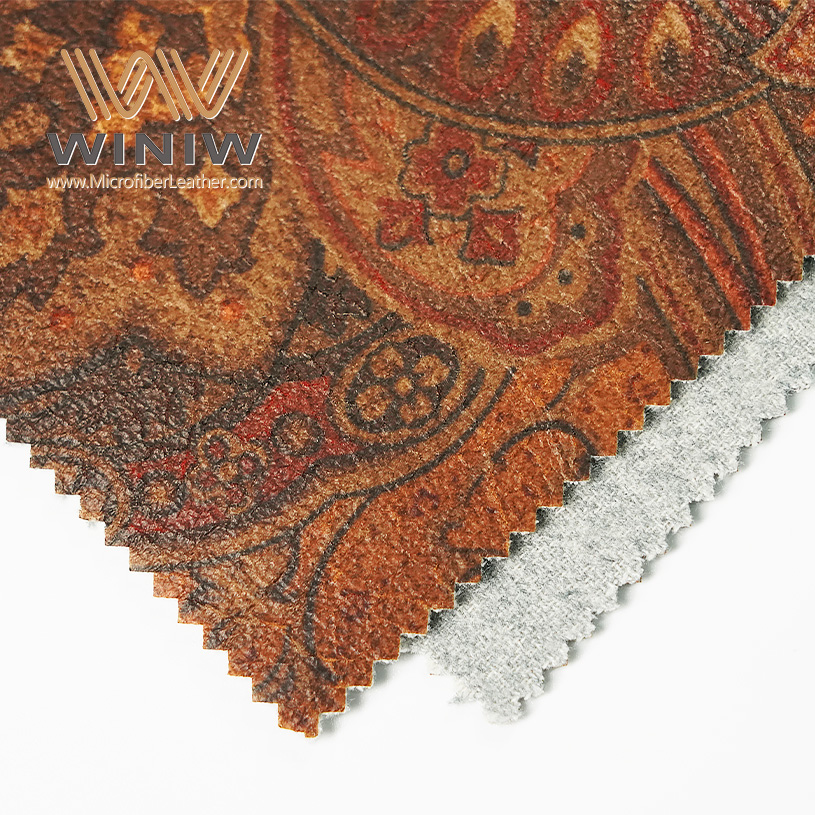
Hier ein kurzer Vergleich:
|
Verfahren |
Beschreibung |
|---|---|
|
Gerbprozess |
Verbessert die Haltbarkeit durch Stabilisierung der Proteinstruktur der Häute. |
|
Chemische Reaktion |
Gerbstoffe reagieren mit Kollagen und verhindern so dessen Zersetzung und Abbau. |
|
Methoden |
Die Chromgerbung macht Leder haltbarer und geschmeidiger. |
In der Mode- und Polsterbranche begegnen Ihnen viele verschiedene Lederarten. Jede Art hat ihre eigene Optik, Haptik und ihren eigenen Verwendungszweck. Wenn Sie die verschiedenen Lederarten kennen, können Sie das richtige Material für Ihr Projekt auswählen.
Hier sind die wichtigsten Typen:
|
Lederart |
Beschreibung |
|---|---|
|
Vollnarbenleder |
Das hochwertigste Leder ist strapazierfähig, entwickelt mit der Zeit eine Patina und behält natürliche Unvollkommenheiten. |
|
Top-Grain-Leder |
Dünner und biegsamer, mit schützender Oberfläche, preisgünstiger als Vollnarbenleder. |
|
Echtes Leder |
Hergestellt aus Reststücken hochwertigeren Leders, beliebt und kostengünstig. |
|
Korrigiertes Narbenleder |
Aus ästhetischen Gründen verändert, oft passend zu anderen Stilen gefärbt, die günstigste verfügbare Option. |
|
Spaltleder |
Hergestellt aus niedrigeren Schichten, weniger haltbar, oft beschichtet, um Narbenleder nachzuahmen. |
|
Verbundleder |
Hergestellt aus zerkleinerten Stoffresten, weniger haltbar, verwendet in Billigproduktionen Produkte Die |
|
Polyurethan (PU) |
Atmungsaktiv, flexibel, verwendet für Bekleidung und Polsterstoffe. |
|
Vinyl (PVC) |
Flexibler als PU, weniger atmungsaktiv, ideal für Taschen und Möbelbezüge. |
|
Kunstleder |
Einheitliches Erscheinungsbild, keine natürlichen Variationen, im Allgemeinen weniger haltbar. |
Sie werden möglicherweise die Bezeichnung „Echtleder“ auf Produkten finden. Diese Bezeichnung kann irreführend sein. Echtleder bezeichnet oft minderwertiges Material aus Spalt- oder Verbundleder. Vollnarbenleder und hochwertiges Leder hingegen bieten eine höhere Qualität und Haltbarkeit.
Kunstleder Kunstleder, auch bekannt als synthetisches Leder, bietet ein einheitliches Erscheinungsbild und ist kostengünstiger. Es eignet sich gut für den Außenbereich und den gewerblichen Einsatz. Spezialleder, beispielsweise von exotischen Tieren, verleihen Mode und Polstermöbeln einen Hauch von Luxus und einzigartige Texturen.
Notiz: Echtes Leder benötigt regelmäßige Pflege, um weich und strapazierfähig zu bleiben. Kunstleder ist leichter zu reinigen, entwickelt aber keine Patina.
Bei der Auswahl von Ledertextilien sollten Sie Art, Qualität und Verwendungszweck berücksichtigen. Dieses Wissen hilft Ihnen, fundierte Entscheidungen sowohl für Mode- als auch für Polsterprojekte zu treffen.
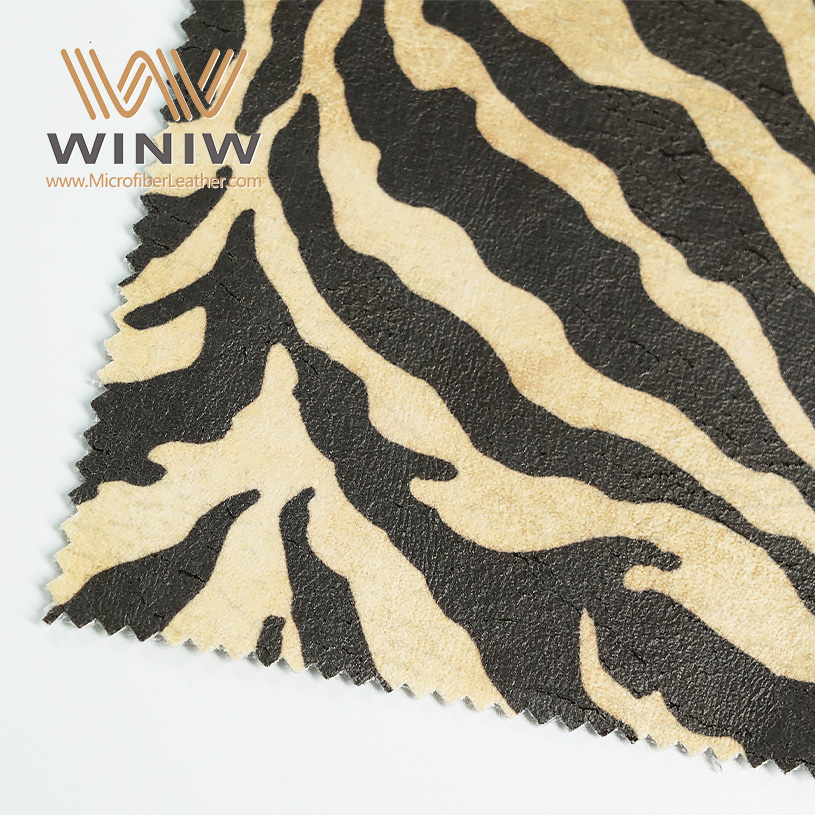
Leder ist in der Modewelt allgegenwärtig. Designer verwenden Leder, um ikonische Stücke zu kreieren, die sich durch ihre Langlebigkeit und ihren Stil auszeichnen. Lederjacken, -mäntel, -hosen, -röcke und -westen finden sich in vielen Kollektionen. Auch Accessoires wie Gürtel, Handschuhe, Hüte und Geldbörsen werden aufgrund ihrer Robustheit und ihres ansprechenden Designs aus Leder gefertigt. Schuhe, darunter Stiefel, Schuhe und Sandalen, bestehen oft aus Leder, da es bequem und langlebig ist. Handtaschen, Geldbörsen und Rucksäcke demonstrieren die Vielseitigkeit von Leder.
Lederjacken, Mäntel, Hosen, Röcke und Westen
Accessoires: Gürtel, Handschuhe, Hüte, Geldbörsen
Schuhe: Stiefel, Schuhe, Sandalen
Handtaschen, Geldbörsen, Rucksäcke
Sie werden feststellen, dass Echtleder und Vollnarbenleder die High-End-Mode dominieren. Vollnarbenleder bietet unübertroffene Qualität und entwickelt mit der Zeit eine einzigartige Patina. Kunstleder und Imitationsleder stellen erschwingliche Alternativen dar und machen Leder für mehr Menschen zugänglich. Marken experimentieren nun mit nachhaltigen Materialien wie Pilzleder und Hanf. Pilzleder ist biologisch abbaubar und tierversuchsfrei, während Hanf strapazierfähig und schimmelresistent ist. Luxusmarken wie Hermès verwenden Pilzleder für individualisierbare Designs. Der globale Markt für Kunstleder wird bis 2030 voraussichtlich 67 Milliarden US-Dollar erreichen. Labels wie Mara Hoffman, Collina Strada und Everlane setzen auf Nachhaltigkeit und zeigen damit, dass sich Leder stetig weiterentwickelt.
|
Material |
Vorteile |
Umweltauswirkungen |
|---|---|---|
|
Pilzleder |
Nachhaltige, biologisch abbaubare, tierversuchsfreie und individualisierbare Designs |
Verringert den ökologischen Fußabdruck der Modeindustrie |
|
Hanf |
Langlebig, schimmelresistent, benötigt minimal Wasser und Pestizide. |
CO2-negativ, benötigt weniger Wasser und Land als Baumwolle |
Vollnarbenleder ist die ideale Wahl für Polstermöbel, wenn Sie Wert auf außergewöhnliche Langlebigkeit und Komfort legen. Bei richtiger Pflege hält Vollnarbenleder jahrzehntelang. Es ist resistent gegen Flecken, Verschmutzungen und allgemeine Abnutzung und eignet sich daher perfekt für Haushalte mit Kindern oder Haustieren. Verschüttete Flüssigkeiten lassen sich einfach abwischen, und Leder nimmt im Gegensatz zu Stoffen keine Gerüche auf. Da Vollnarbenleder weniger durchlässig ist als die meisten anderen Stoffe, setzen sich Allergene wie Staub und Pollen nicht in den Polstern fest. Das macht Vollnarbenleder zu einer hervorragenden Wahl für Allergiker.
Vollnarbenleder besticht durch seine natürlichen Maserungen und seine reiche Textur. Man findet es bei Sofas, Sesseln und in Fahrzeuginnenräumen, wo Qualität zählt. Auch hochwertiges Leder kommt in vielen Möbelstücken zum Einsatz und bietet ein ausgewogenes Verhältnis zwischen Langlebigkeit und Preis. Echtleder und hochwertiges Leder bieten Komfort und Stil, doch Vollnarbenleder bleibt der Goldstandard für Langlebigkeit.
Sie legen Wert auf Komfort bei Polstermöbeln, und Leder bietet natürliche Atmungsaktivität und Temperaturregulierung. Die Optik von Leder gewinnt mit der Zeit an Reiz, da Vollnarbenleder eine Patina entwickelt, die seinen Charakter unterstreicht. Sie schätzen die Vielseitigkeit von Leder in der Inneneinrichtung, wo es Eleganz und Wärme verleiht.
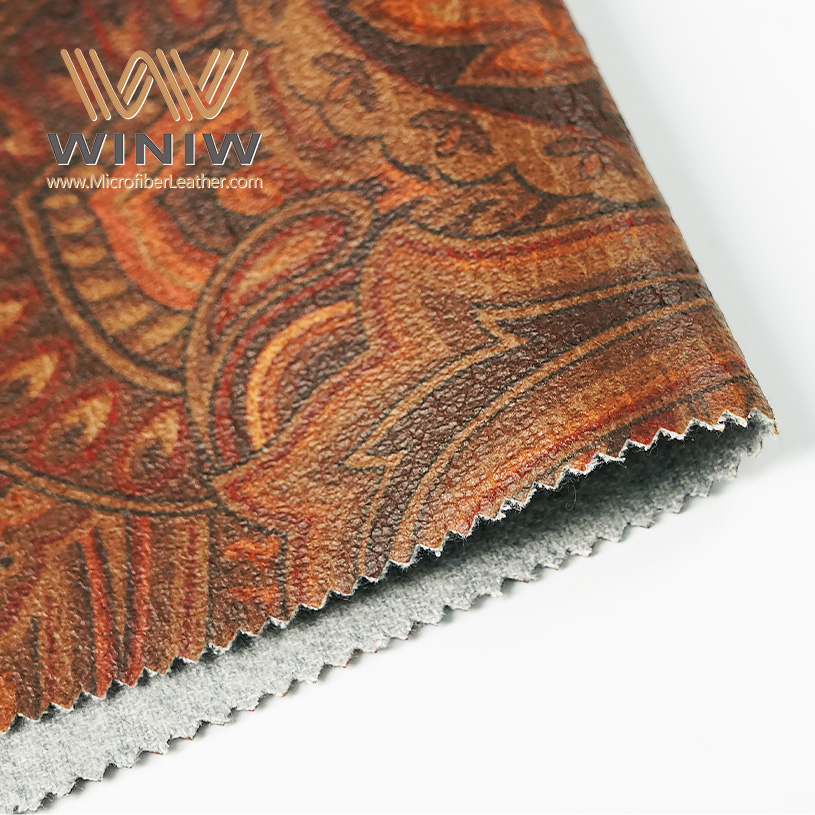
Sowohl in der Mode als auch bei Polstermöbeln findet man viele Alternativen zu Kunstleder. PU-Leder Und Mikrofaserleder PU-Leder ist eine beliebte Wahl. Es ist preiswert und wird oft als vegane Alternative verwendet. Mikrofaserleder imitiert echtes Leder und bietet eine hervorragende Haltbarkeit. Man findet diese Materialien in Jacken, Handtaschen, Gürteln, Geldbörsen, Autositzen und Schuhen.
|
Material |
Eigenschaften |
Anwendungen |
|---|---|---|
|
PU-Leder |
Preiswert, oft als vegane Alternative verwendet, geeignet für den Massenmarkt der Mode |
Jacken, Handtaschen, Gürtel, Geldbörsen |
|
Mikrofaserleder |
Hochleistungsfähig, entwickelt, um echtes Leder nachzubilden, überlegene Haltbarkeit |
Hochwertige Polstermöbel, Autositze, Schuhe |
Man hört Begriffe wie Lederersatz, Kunstleder. veganes Leder Kunstleder und Lederimitat werden in der Mode, bei Möbelbezügen und in Fahrzeuginnenausstattungen verwendet. Kunstleder und Imitationsleder bieten ein einheitliches Erscheinungsbild und sind pflegeleicht. Sie eignen sich für Kunstleder, wenn Sie eine kostengünstige und ethisch vertretbare Alternative suchen.
|
Besonderheit |
PU-Leder |
Kunstleder |
Echtes Leder |
|---|---|---|---|
|
Aussehen |
Realistischere, glattere Textur |
Körnigere Textur |
Natürliche Schwankungen |
|
Atmungsaktivität |
Weniger atmungsaktiv |
In der Regel atmungsaktiver |
Hoch atmungsaktiv |
|
Haltbarkeit |
Hohe Verschleißfestigkeit |
Im Allgemeinen weniger haltbar |
Variiert, ist aber oft sehr haltbar |
|
Wartung |
Leicht mit einem feuchten Tuch zu reinigen |
Leicht mit einem feuchten Tuch zu reinigen |
Erfordert besondere Pflege |
|
Umweltauswirkungen |
Erdölbasiert, weniger nachhaltig |
Kann aus recycelten Materialien hergestellt werden |
Hohe Umweltkosten |
Sie stellen fest, dass Kunstlederalternativen weit verbreitet sind, da sie preiswert und leicht zu reinigen sind. Echtleder und Vollnarbenleder bieten jedoch eine höhere Qualität und besseren Tragekomfort. Sie wägen die Vorteile der einzelnen Materialien anhand Ihrer Bedürfnisse ab.
Sie schätzen Leder aufgrund seiner einzigartigen physikalischen und chemischen Eigenschaften. Leder ist atmungsaktiv und lässt Wasserdampf und Luft hindurch. Dadurch ist es angenehm zu tragen und eignet sich hervorragend für Kleidung und Schuhe. Hochwertiges Leder ist wasserabweisend und gleichzeitig elastisch und flexibel – ideal für Polsterarbeiten. Leder ist formbar und lässt sich daher in verschiedene Formen bringen. Es passt sich Temperatur- und Feuchtigkeitsschwankungen an und ist somit vielseitig einsetzbar.
|
Eigentum |
Beschreibung |
|---|---|
|
Atmungsaktivität |
Leder lässt Wasserdampf und Luft durch, wodurch es sich gut für Kleidung und Schuhe eignet. |
|
Wasserbeständigkeit |
Hochwertiges Leder ist wasserabweisend und bleibt dabei elastisch und flexibel – ideal für Polsterarbeiten. |
|
Formbarkeit |
Leder lässt sich leicht in verschiedene Formen bringen und passt sich so Temperatur- und Feuchtigkeitsschwankungen an. |
Sie vergleichen die Atmungsaktivität verschiedener Materialien:
|
Materialart |
Atmungsaktivitätsgrad |
|---|---|
|
Leder |
Mäßig |
|
Naturfasern (z. B. Baumwolle, Leinen) |
Hoch |
|
Synthetische Stoffe (z. B. Polyester, Nylon) |
Niedrig |
Sie werden feststellen, dass Lederstoffe eine moderate Atmungsaktivität aufweisen, was den Tragekomfort sowohl bei modischen als auch bei Polstermöbeln erhöht. Kunstleder und Imitationsleder können Wärme und Feuchtigkeit speichern; dies sollten Sie bei der Materialwahl berücksichtigen.
Die Lebensdauer von Lederwaren lässt sich durch die richtige Pflege verlängern. Die korrekte Reinigung, Pflege, der Schutz, die Lagerung und die Handhabung von Leder gewährleisten dauerhafte Qualität.
Reinigung: Verwenden Sie ein weiches Tuch oder eine Bürste, um Schmutz zu entfernen. Hartnäckige Flecken mit einem Lederreiniger behandeln. Lassen Sie das Leder an der Luft trocknen.
Pflege: Pflegen Sie das Leder alle drei bis sechs Monate, um es weich zu halten und Risse zu vermeiden.
Schutz: UV-Schutzsprays verwenden. Extreme Hitze und Feuchtigkeit vermeiden. Regelmäßig auf Abnutzungserscheinungen prüfen.
Richtige Aufbewahrung: Leder an einem kühlen, trockenen Ort lagern. Atmungsaktive Schutzhüllen verwenden. Nicht stapeln.
Hinweise zum Umgang mit Taschen: Vermeiden Sie Überladung. Verwenden Sie einen Schuhlöffel für Schuhe.
Sie vergleichen die Kosten von Echtleder und synthetischen Alternativen:
|
Lederart |
Preisklasse |
Langlebigkeit |
|---|---|---|
|
Echtes Leder |
200 bis 2000 US-Dollar |
Sehr langlebig |
|
Kunstleder |
50 bis 300 US-Dollar |
Kurzzeitige Verwendung |
Sie sehen, dass echtes Leder und Vollnarbenleder zwar teurer sind, aber länger halten. Kunstleder und Imitationsleder sind günstiger, bieten aber möglicherweise nicht dieselbe Haltbarkeit oder denselben Tragekomfort.
Bei der Wahl von Lederstoffen sollten Sie die Umweltverträglichkeit berücksichtigen. Kunstleder basiert auf fossilen Brennstoffen und ist nicht biologisch abbaubar. Pflanzliche Alternativen wie Textilien aus Kakteen und Leder aus Pilzen zielen darauf ab, die Umweltbelastung zu reduzieren. Leder aus Kakteen spart im Vergleich zu Tierleder deutlich Wasser. Leder aus Apfelresten verursacht weniger Kohlendioxidemissionen als die traditionelle Lederproduktion. Gerbereien verwenden häufig Chromsulfat, das die Umwelt schädigt. Synthetisches Leder wird aus erdölbasierten Kunststoffen hergestellt und ist daher nicht biologisch abbaubar.
|
Umweltbedenken |
Beschreibung |
|---|---|
|
Giftige Chemikalien |
Beim Gerbprozess werden hauptsächlich Chromsalze verwendet, die erhebliche Nachteile für die Umwelt mit sich bringen. |
|
Wasserverbrauch |
Die Lederindustrie verbraucht große Mengen Wasser, was zu hohen Schadstoffkonzentrationen im Abwasser führt. |
|
Abfallerzeugung |
Bei diesem Prozess entstehen feste Abfälle und Emissionen, die zur Luftverschmutzung beitragen. |
|
Marine Eutrophierung |
Abwässer aus der Gerberei tragen erheblich zur marinen Eutrophierung bei. |
|
Treibhausgasemissionen |
Die Stromerzeugung für Gerbprozesse ist eine Hauptquelle für Treibhausgasemissionen. |
|
Chemische Toxizität |
Chemikalien, die beim Gerbprozess zum Einsatz kommen, tragen zur Toxizität für Mensch und Umwelt bei. |
Bei der Wahl zwischen Echtleder und Kunstleder spielen Faktoren wie Haltbarkeit, Haptik, Pflegeaufwand, Kosten und ethische Aspekte eine Rolle. Echtleder hält bei richtiger Pflege 10 bis 20 Jahre, Kunstleder hingegen nur 3 bis 5 Jahre. Echtleder besticht durch seine einzigartige Narbung und Wärme, benötigt aber regelmäßige Pflege. Kunstleder ist günstiger und pflegeleichter, kann jedoch zur Umweltverschmutzung beitragen.
|
Faktor |
Echtes Leder |
Kunstleder |
|---|---|---|
|
Haltbarkeit |
Hält bei richtiger Pflege 10-20 Jahre. |
Hält 3-5 Jahre, neigt zu Abnutzung |
|
Textur und Haptik |
Einzigartige Maserung, weich und warm |
Glatt, gleichmäßig, weniger flexibel |
|
Wartung und Pflege |
Erfordert regelmäßige Pflege |
Weniger Wartungsaufwand, aber anfälliger für Beschädigungen |
|
Kosten und Bezahlbarkeit |
Aufgrund der Qualität teurer. |
Günstigere Alternative |
|
Ethisch & Umwelt |
Bedenken hinsichtlich Tierquälerei |
Hergestellt aus Kunststoffen, trägt es zur Umweltverschmutzung bei |
Sie stellen fest, dass sich die Verbraucherpräferenzen im Bereich Mode und Polstermöbel unterscheiden. Bei Polstermöbeln steht die Langlebigkeit im Vordergrund, wobei Vollnarben- und Oberleder aufgrund ihrer Festigkeit und Alterungsbeständigkeit bevorzugt werden. Komfort ist bei Polstermöbeln essenziell, während im Modebereich Stil und Farbauswahl im Vordergrund stehen. Sie schätzen die Vielseitigkeit von Leder, das sich für beide Anwendungsbereiche eignet.
Tipp: Bei der Auswahl von Lederstoffen sollten Sie Ihre Prioritäten hinsichtlich Qualität, Komfort, Haltbarkeit, Kosten und Umweltverträglichkeit berücksichtigen. So treffen Sie die beste Wahl für Ihre Bedürfnisse.
Sie betrachten Leder als ein natürliches Textil mit unvergleichlicher Haltbarkeit, Weichheit und Eleganz. Vollnarbenleder zeichnet sich durch Luxus und Langlebigkeit aus, während synthetische Alternativen eine erschwinglichere Option darstellen. Beachten Sie bei der Wahl von Leder folgende Punkte:
Der Wartungsaufwand variiert je nach Klima und Nutzung.
Kosten und Umweltauswirkungen unterscheiden sich je nach Art.
Ihre Werte leiten die beste Wahl.
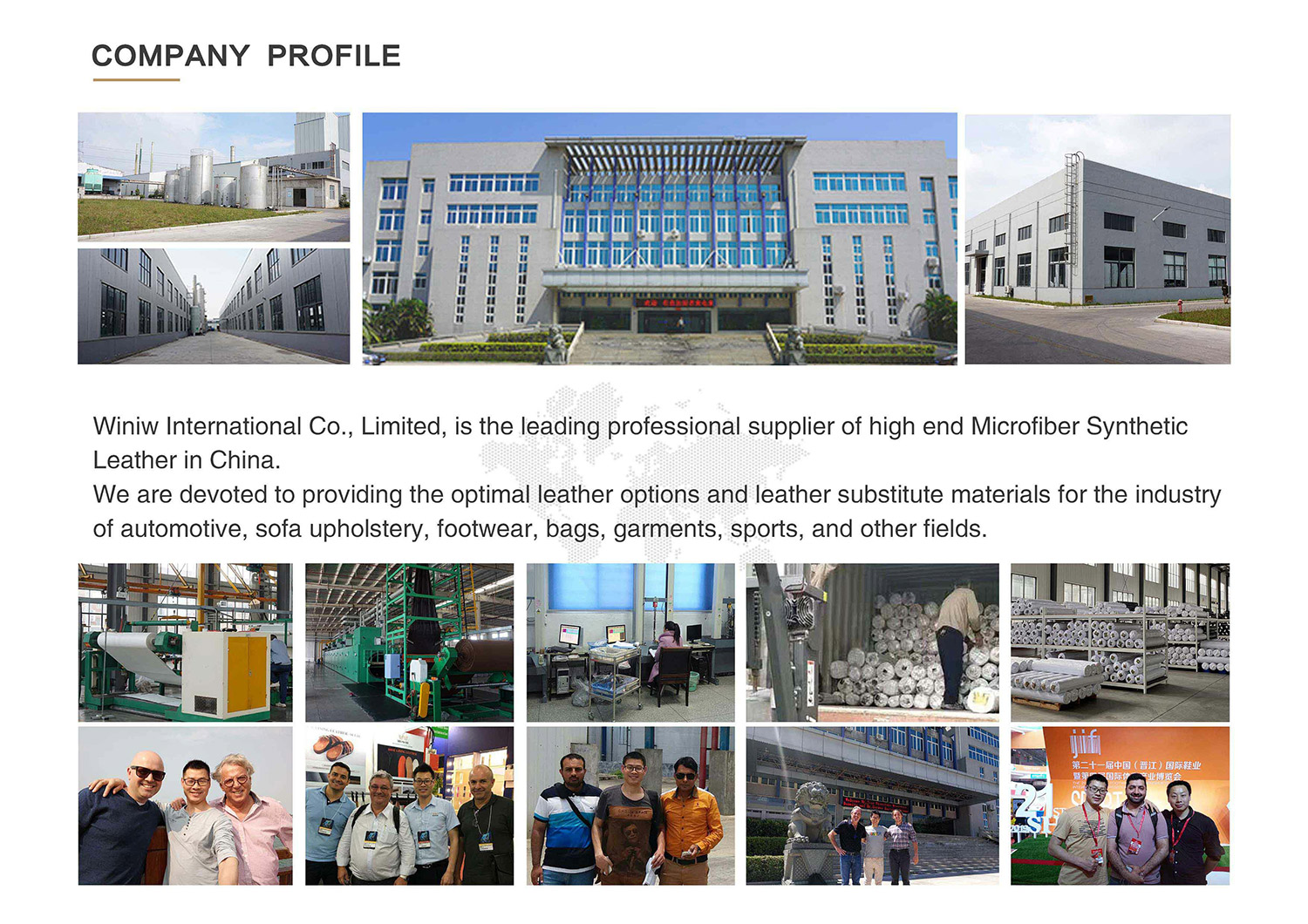
Sie erhalten echtes Leder aus Tierhäuten. Kunstleder Verwendet werden synthetische Materialien. Echtes Leder ist langlebiger und entwickelt mit der Zeit eine Patina. Kunstleder ist günstiger und leichter zu reinigen.
Lederwaren sollten mit einem weichen Tuch gereinigt werden. Pflegen Sie sie alle paar Monate. Bewahren Sie sie an einem kühlen, trockenen Ort auf. Vermeiden Sie direkte Sonneneinstrahlung und Feuchtigkeit.
Sie können pflanzenbasierte Lederarten wie Pilz- oder Kaktusleder wählen. Diese Alternativen reduzieren die Umweltbelastung. Viele Marken bieten mittlerweile nachhaltige Optionen für Mode und Polstermöbel an.
Winiw International Co.,Ltd


Scan zu wechat:



 Tel : +86 18150976625
 E-Mail : Market@MicrofiberLeather.com