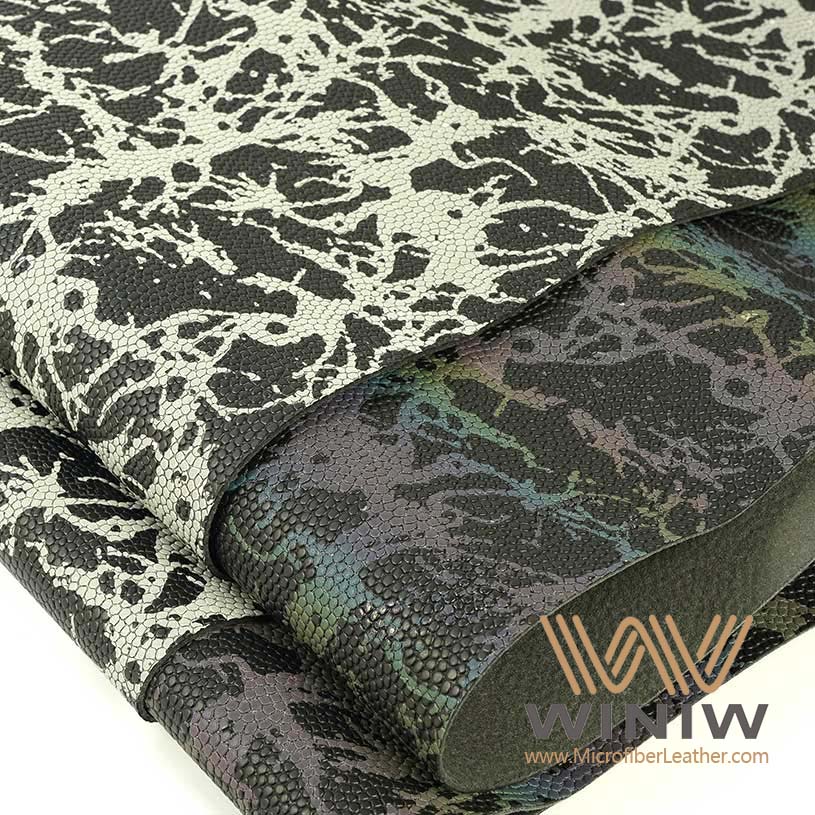
Profi- und College-Footballbälle werden aus Rinds- oder Ochsenleder, nicht aus Schweinsleder, hergestellt. Jährlich verbrauchen die Hersteller etwa 35.000 Rindshäute für 700.000 NFL-Footballbälle. Das Ledermaterial bietet bei trockenem Wetter besseren Halt und ein angenehmeres Ballgefühl, saugt sich aber bei Nässe mit Wasser voll und wird schwerer.
Für beste Griffigkeit und Haltbarkeit sollten Sie Fußbälle aus vollnarbigem Rinds- oder Ochsenleder wählen.
Reinigen und pflegen Sie Ihren Lederfußball regelmäßig, um seine Lebensdauer zu verlängern und seine Leistungsfähigkeit zu erhalten.
Verstehe die Unterschiede zwischen Natur- und Kunstleder um den richtigen Fußball für Ihre Bedürfnisse auszuwählen.
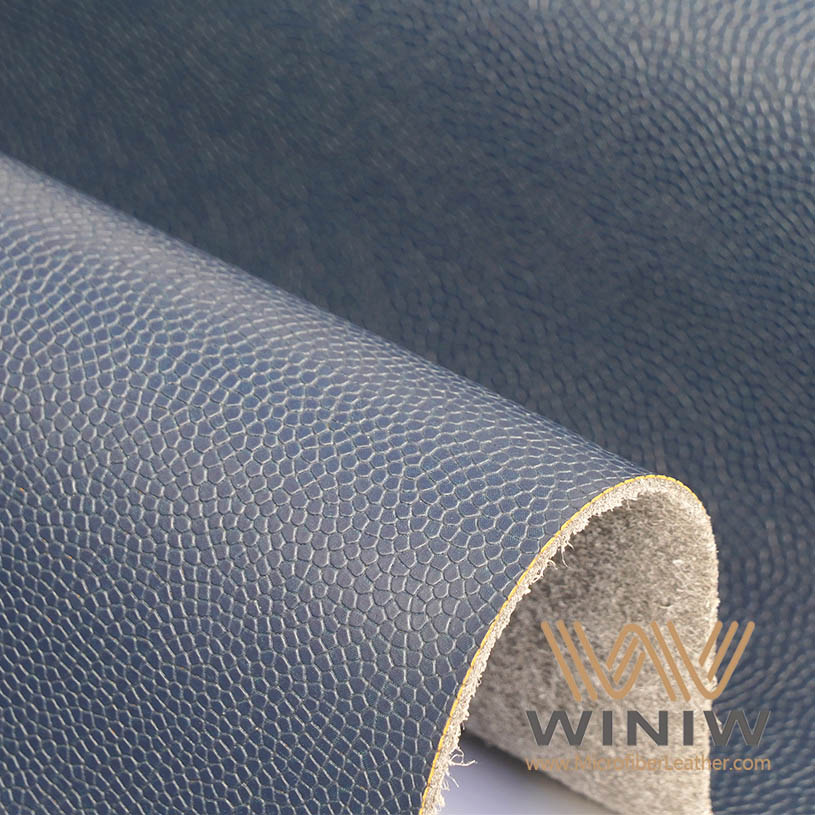
Vielleicht fragen Sie sich, woraus Fußbälle bestehen, wenn Sie beim Training einen Ball in die Hand nehmen oder ein Spiel im Fernsehen verfolgen. Die Antwort hängt vom Spielniveau und dem Verwendungszweck des Balls ab. Offizielle Fußbälle für Profi- und College-Spiele werden aus Leder gefertigt, das aus Rinds- oder Stierhaut gewonnen wird. Hersteller wählen Vollnarbenleder, da es die beste Kombination aus Festigkeit, Flexibilität und Langlebigkeit bietet. Dieses Material sorgt für einen natürlichen Griff und ein Spielgefühl, das synthetische Alternativen nicht erreichen.
Schaut man in einen Fußball hinein, findet man mehrere Schichten und Bestandteile. Hier ist eine Übersicht der wichtigsten Materialien, die in modernen Fußbällen verwendet werden:
|
Komponente |
Materialoptionen |
|---|---|
|
Abdeckung |
Rindsleder, Kunstleder (PU, PVC), Kunstleder |
|
Nähen |
Handgenähte oder maschinengenähte Fäden |
|
Innenfutter |
Polyester- oder Baumwollschichten für zusätzliche Festigkeit |
|
Blase |
Latex oder Butylkautschuk zur Luftdichtigkeit |
Man sieht, dass das Leder des Fußballs die äußere Hülle bildet, während die inneren Schichten und die Blase dazu beitragen, dass der Ball seine Form und Sprungkraft behält.
Sie werden feststellen, dass Leder nicht gleich Leder ist. Hersteller verwenden für offizielle Footballs Vollnarbenleder, da es aus dem robustesten Teil der Haut stammt. Vollnarbenleder ist strapazierfähig, bleibt flexibel und ist langlebiger als andere Lederarten. Die Horween Leather Company liefert den Großteil des Leders für NFL-Footballs. Sie verwendet traditionelle Gerbverfahren und strenge Qualitätskontrollen, um sicherzustellen, dass jede Haut den Anforderungen für sportliche Höchstleistungen entspricht.
Hier ein kurzer Vergleich gängiger Materialien, die für Fußballabdeckungen verwendet werden:
|
Material |
Haltbarkeit |
Fühlen |
|---|---|---|
|
Vollnarbenleder |
Exzellent |
Natürlicher, überlegener Griff |
|
Gut |
Weich, flexibel |
|
|
Gerecht |
Steif, weniger komfortabel |
|
|
Kunstleder |
Variiert |
Imitiert Leder |
Sie werden feststellen, dass Vollnarbenleder sich durch seine Qualität und Leistungsfähigkeit auszeichnet. Alternativen aus Kunstleder wie PU und PVC bieten zwar Kosteneinsparungen und Wasserbeständigkeit, aber nicht denselben Grip und dasselbe Spielgefühl wie Naturleder.
Tipp: Wenn Sie einen Ball möchten, der lange hält und sich gut in der Hand anfühlt, wählen Sie einen aus vollnarbigem Rinds- oder Ochsenleder.
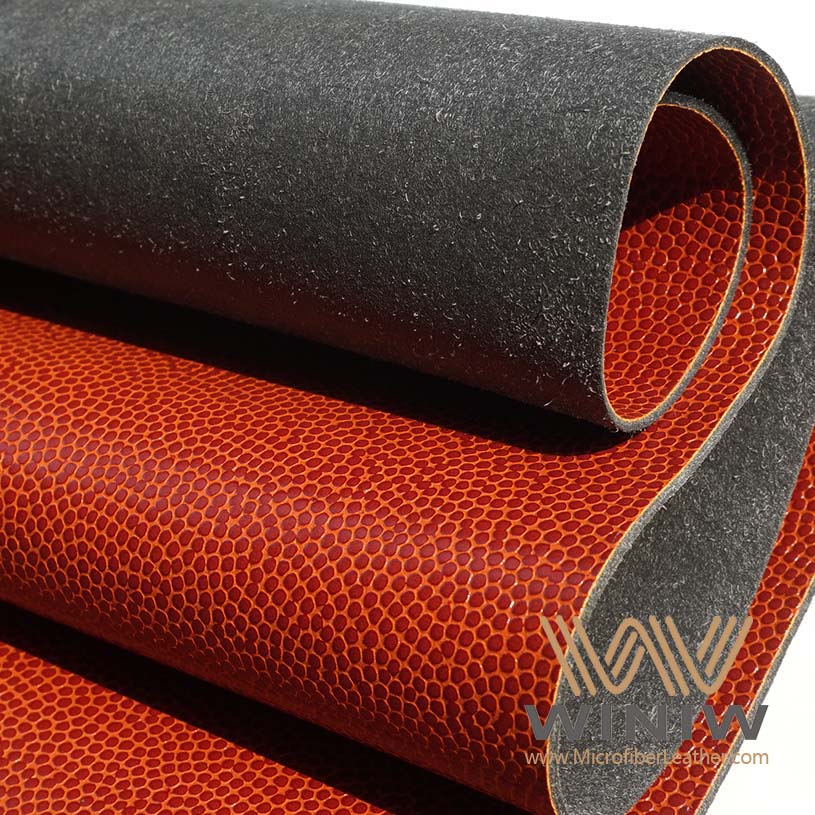
Man könnte sich fragen, warum Hersteller Rinds- und Ochsenleder für Fußballschuhe wählen. Diese Lederarten bieten eine einzigartige Kombination aus Haltbarkeit, Flexibilität und Griffigkeit. Beim Spielen mit einem Lederfußball spürt man die natürliche Textur, die die Ballkontrolle verbessert, insbesondere bei trockenen Bedingungen. Das Leder absorbiert zwar etwas Feuchtigkeit, wodurch der Ball bei Nässe schwerer werden kann, doch die Vorteile in Sachen Handling und Langlebigkeit überwiegen diesen Nachteil deutlich.
Die Horween Leather Company beliefert die NFL seit über 80 Jahren mit handgefertigtem Leder. Bei der Beschaffung legt das Unternehmen Wert auf Qualität und verwendet Methoden, die die natürliche Festigkeit und Haptik des Leders erhalten. So erhalten Sie einen Football, der strengen Ansprüchen an Leistung und Aussehen genügt.
Kunstleder Fußbälle erfreuen sich zunehmender Beliebtheit im Freizeit- und Jugendfußball. Polyurethan (PU) und Polyvinylchlorid (PVC) sind die gängigsten Materialien für Kunstleder. PU bietet eine gute Haltbarkeit und Wasserbeständigkeit, während PVC zwar günstiger ist, sich aber steifer und weniger komfortabel anfühlt. Kunstleder-Fußbälle sind leichter zu reinigen und zu pflegen, erreichen aber nicht die Griffigkeit und das Spielgefühl von Naturleder.
Hier ist eine Tabelle zum Vergleich natürlicher und synthetischer Alternativen:
|
Material |
Haltbarkeit |
Wasserbeständigkeit |
Fühlen |
Kosten |
|---|---|---|---|---|
|
Naturleder |
Hoch |
Mäßig |
Überragendes natürliches Tragegefühl |
Am teuersten |
|
Polyurethan (PU) Leder |
Hoch |
Exzellent |
Imitiert Leder gut |
Günstiger |
|
Polyvinylchlorid (PVC) Leder |
Hoch |
Gut |
Steifer als PU |
Wirtschaftlich |
Wie Sie sehen, ist Leder aus Rinds- oder Stierhaut nach wie vor der Goldstandard für offizielle Spiele. Fußbälle aus Kunstleder bieten zwar praktische Vorteile für Training und Freizeitspiel, können aber die Qualität und Leistung von Naturleder nicht ersetzen.
Vielleicht fragen Sie sich, wie Fußbälle vom Rohmaterial bis zum fertigen Produkt, das Sie auf dem Spielfeld sehen, hergestellt werden. Der Prozess beginnt mit der Beschaffung von hochwertigem Rindsleder und Gummi. Die Hersteller schneiden das Rindsleder in Paneele, formen diese und nähen sie zusammen. Dieser Prozess dauert in der Regel etwa fünf Tage. Nach der Fertigstellung werden die Fußbälle aufgepumpt und auf Qualität geprüft, bevor sie in den Handel kommen.
Hinweis: Der Herstellungsprozess – Zuschneiden, Nähen, Kleben und Aufpumpen – beeinflusst direkt die Haltbarkeit und Leistung des Balls. Handgenähte Bälle sind oft flexibler und haltbarer, während maschinelles Nähen die Kosten senken kann.
Um zu verstehen, wie Fußbälle hergestellt werden, sollte man sich jeden einzelnen Schritt ansehen:
Sammeln Sie Rohmaterialien wie Rindsleder für die Außenhülle und Gummi für die Blase.
Schneide das Rindsleder in vier Teile.
Nähen Sie die Stoffteile zusammen und lassen Sie dabei eine Öffnung für die Blase.
Setzen Sie die Gummiblase ein und pumpen Sie den Ball auf.
Synthetische Schnürsenkel anbringen und die Nähte versäubern.
Prüfen und testen Sie jeden Fußball auf Form und Qualität.
Moderne Fußbälle werden in einem Formverfahren hergestellt, um eine einheitliche Form und gleichbleibende Leistung zu gewährleisten. Die Materialwahl für die Außenhülle und die Blase beeinflusst Griffigkeit, Aerodynamik und Haltbarkeit.
Die Gummiblase im Inneren des Fußballs hält die Luft. Sie ist entscheidend für die Form und das Sprungverhalten des Balls. Die Außenhülle aus genarbtem Rindsleder sorgt für Griffigkeit und Kontrolle beim Spiel. Im Laufe der Zeit haben die Hersteller die Materialien für Blase und Außenhülle verbessert. Polyurethanblasen bieten heute eine bessere Luftspeicherung, und modifizierte Karkassen erhöhen die Haltbarkeit.
|
Materialart |
Eigenschaften |
|---|---|
|
Rindsleder |
Bietet Textur und Kontrolle für American-Football-Bälle |
|
Bietet Flexibilität und Langlebigkeit |
|
|
Polyurethanblase |
Verbessert die Luftspeicherung und die Leistung |
|
PVC |
Wird für günstigere Alternativen verwendet, kann häufiges Aufpumpen erfordern. |
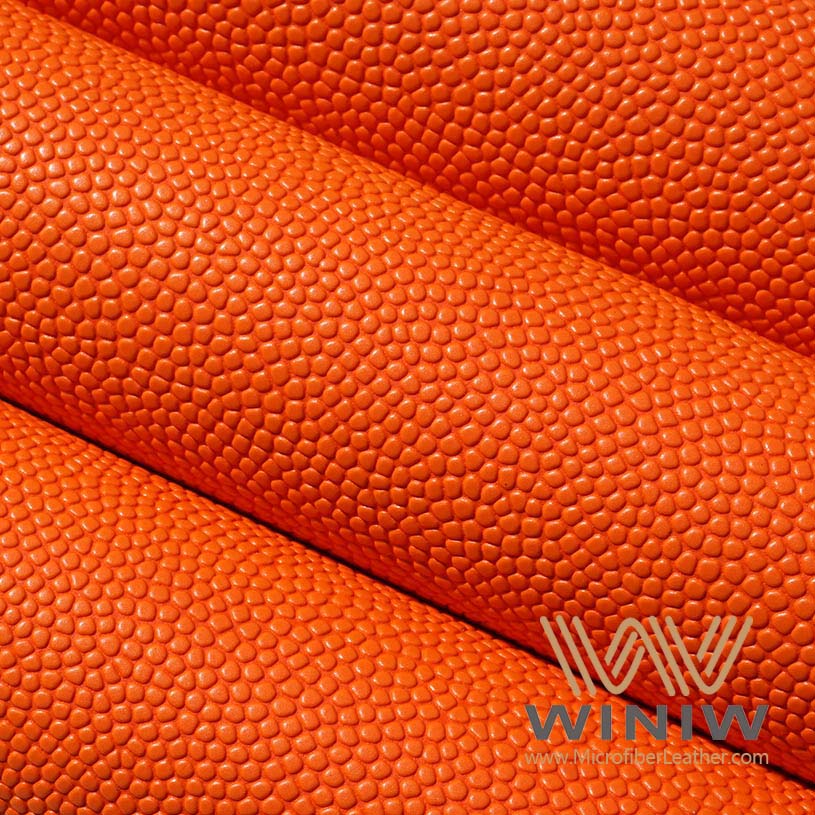
Mit der richtigen Pflege können Sie die Lebensdauer Ihres Lederfootballs verlängern. Hier sind einige bewährte Methoden:
Reinigen Sie die Außenhülle nach jedem Gebrauch, um Schmutz und Schweiß zu entfernen.
Tragen Sie alle paar Monate eine dünne Schicht Lederpflegemittel auf, um Austrocknung und Rissbildung vorzubeugen.
Bewahren Sie Ihren Fußball an einem kühlen, trockenen Ort ohne direkte Sonneneinstrahlung auf.
Verwenden Sie Polsterwerkzeuge, damit der Ball während der Lagerung seine Form behält.
Wechseln Sie die Fußbälle regelmäßig, um einen gleichmäßigen Verschleiß zu gewährleisten.
Tipp: Regelmäßige Reinigung und Pflege sorgen nicht nur dafür, dass Ihr Fußball gut aussieht, sondern verbessern auch Griffigkeit und Haltbarkeit.
Wenn Sie diese Schritte befolgen, tragen Sie dazu bei, dass Ihr Fußball seine Leistungsfähigkeit und sein Aussehen über viele Saisons hinweg bewahrt.
Es gibt zwei Hauptarten von Fußballhüllen: Naturleder und Kunstleder Naturleder wird aus Tierhäuten gewonnen, während Kunstleder aus künstlichen Materialien wie Kunststoffen hergestellt wird. Jede Lederart besitzt einzigartige Eigenschaften, die Qualität und Leistung beeinflussen.
Hier ein kurzer Vergleich:
|
Besonderheit |
Leder |
Synthetik |
|---|---|---|
|
Zusammensetzung |
Naturprodukt aus Tierhaut |
Künstliche Materialien (Kunststoffe, Strickwaren) |
|
Dehnbarkeit |
Lässt sich dehnen und formen. |
Dehnt sich selten aus, kehrt in seine ursprüngliche Form zurück |
|
Wartung |
Erfordert regelmäßige Pflege |
Leichter zu reinigen, nimmt keine Feuchtigkeit auf |
|
Kosten |
Im Allgemeinen teurer |
In der Regel günstiger |
|
Fühlen |
Weicheres, gepolstertes Tragegefühl |
Variiert, kann weich oder gepolstert sein. |
|
Wasserleistung |
Nimmt Feuchtigkeit auf, kann schwer werden |
Bleibt leicht, nimmt kein Wasser auf |
|
Langzeitbeständigkeit |
Kann reißen und überdehnen |
Im Allgemeinen langlebiger, wartungsärmer |
Fußbälle aus Kunstleder sind günstiger und pflegeleichter. Sie werden häufig in Schulen und Jugendmannschaften eingesetzt, da sie eine gute Haltbarkeit und gleichbleibende Leistung bieten. Fußbälle aus Naturleder sind zwar teurer, bieten aber eine höhere Qualität und ein traditionelles Spielgefühl.
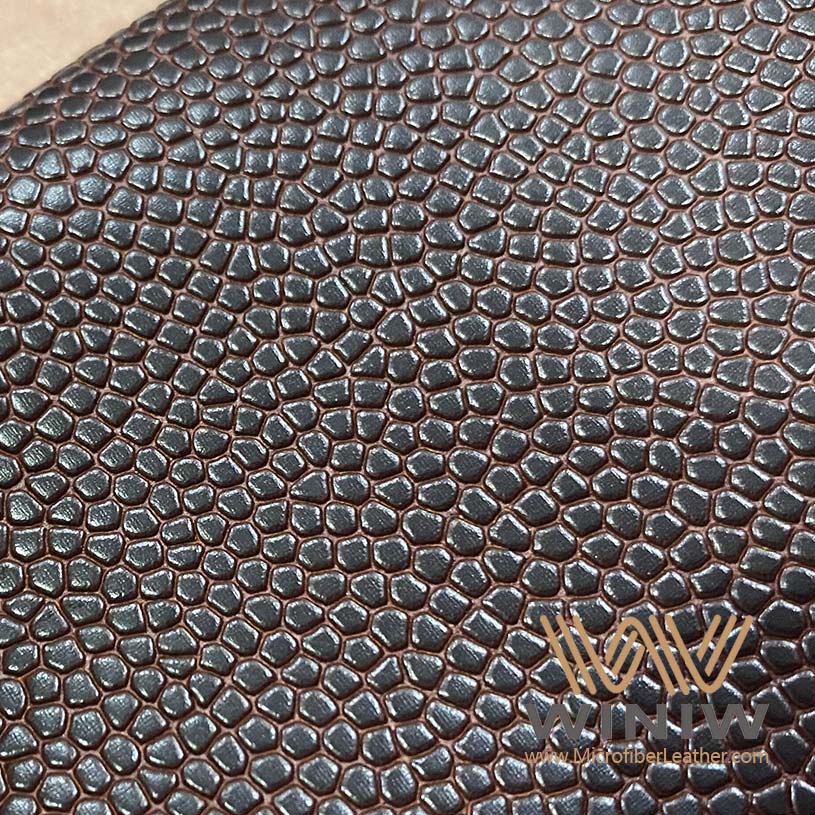
Sie wünschen sich einen Fußball, der Höchstleistungen erbringt und viele Spiele übersteht? Kunstleder, insbesondere PU-Leder, zeichnet sich durch hohe Wasserbeständigkeit und gleichbleibende Leistung bei jedem Wetter aus. Echtleder-Fußbälle bieten den klassischen Grip und das gewohnte Spielgefühl, benötigen aber mehr Pflege und können bei Nässe an Leistung einbüßen.
|
Material |
Wasserbeständigkeit |
Langlebigkeit |
Griff |
|---|---|---|---|
|
PU-Leder |
Hoch |
Monate bis Jahre |
Exzellent |
|
Echtleder |
Mäßig |
Längere Lebensdauer |
Gut |
Labortests belegen, dass Lederfußbälle auch bei Nässe eine hervorragende Griffigkeit aufweisen. Synthetische Fußbälle hingegen können bei Nässe an Griffigkeit verlieren, was die Leistung beeinträchtigt. Sie werden feststellen, dass Lederfußbälle im nassen Zustand sogar noch griffiger werden, während synthetische Varianten rutschig werden. Für Organisationen mit begrenztem Budget bieten synthetische Fußbälle ein ausgewogenes Verhältnis von Qualität und Leistung zu einem günstigeren Preis.
Tipp: Wählen Sie Naturleder für beste Griffigkeit und Qualität, aber greifen Sie zu Kunstleder, wenn Sie Wert auf einfache Pflege und zuverlässige Leistung bei jedem Wetter legen.
Den Unterschied in Qualität und Leistung spürt man jedes Mal, wenn man einen Fußball in der Hand hält. Echtleder-Fußbälle bieten ein einzigartiges Ballgefühl, das Griffigkeit und taktiles Feedback verbessert. Diese Verbindung hilft dir, den Ball im Spiel besser zu kontrollieren. Synthetisches Leder, insbesondere PU, fühlt sich zwar glatt an, bietet aber nicht das taktile Feedback von Echtleder, was deine Ballkontrolle beeinträchtigen kann.
Profispieler berichten, dass das Ballgefühl und die Handhabung eines Fußballs ihre Leistung und Entscheidungsfindung auf dem Spielfeld beeinflussen. Eine bessere Ballkontrolle führt zu präziseren Aktionen und angemesseneren Spielzügen. Mit einem hochwertigen Lederfußball erzielt man eine Leistungssteigerung, insbesondere in Wettkampfsituationen.
Echtes Leder bietet einen natürlichen Griff und überragende Qualität.
Synthetisches Leder bietet gleichbleibende Leistung und ist pflegeleicht.
Die richtige Wahl hängt von Ihren Anforderungen an Leistung, Qualität und Budget ab.
Sie haben gelernt, dass das Ledermaterial im Fußballspiel Leistung und Haltbarkeit beeinflusst.
Moderne Materialien sind älteren Ledern in puncto Sicherheit und Griffigkeit überlegen.
Fortschritte im Design verbessern das Spiel.
|
Grund für die Verwendung von Rindsleder |
Details |
|---|---|
|
Griffigkeit und Haltbarkeit |
Rindsleder ist dehnungsbeständig und bietet eine bessere Kontrolle. |
|
Tradition |
Die großen Sportligen vertrauen auf Rindsleder wegen seiner Qualität. |
Bei der Auswahl eines Fußballs sollten Sie Griffigkeit, Haltbarkeit und Ihre Spielbedürfnisse berücksichtigen.
Wischen Sie den Ball mit einem feuchten Tuch ab. Verwenden Sie dazu etwas Lederreiniger. Lassen Sie den Fußball vor der Lagerung an der Luft trocknen.
Mit Rindsleder erhalten Sie besseren Halt und höhere Haltbarkeit. Kunstleder Ist zwar günstiger, erfüllt aber nicht die für professionelle Spiele erforderlichen Leistungsstandards.
Sie sehen das FIFA-Qualitätsprogramm, das für Fußbälle verwendet wird. Amerikanische Fußbälle unterliegen anderen Standards, die von Organisationen wie der NFL und der NCAA festgelegt werden.
Winiw International Co.,Ltd


Scan zu wechat:



 Tel : +86 18150976625
 E-Mail : Market@MicrofiberLeather.com