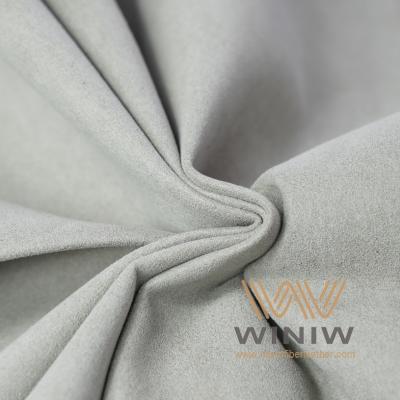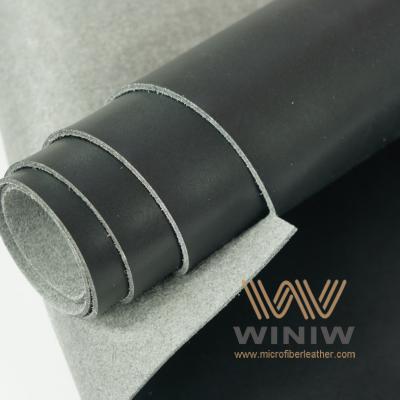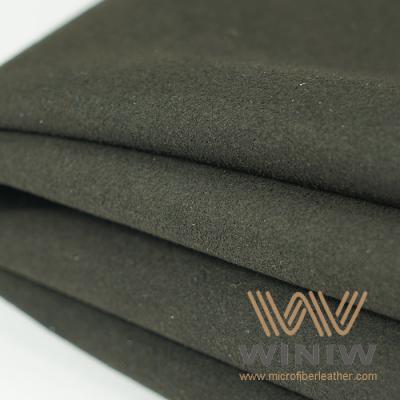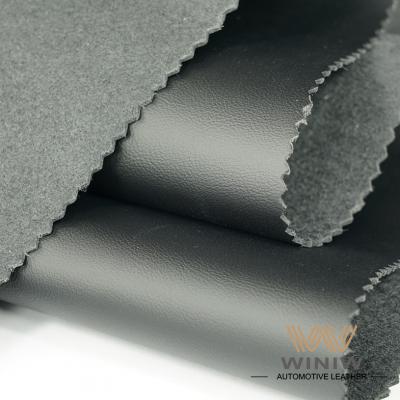
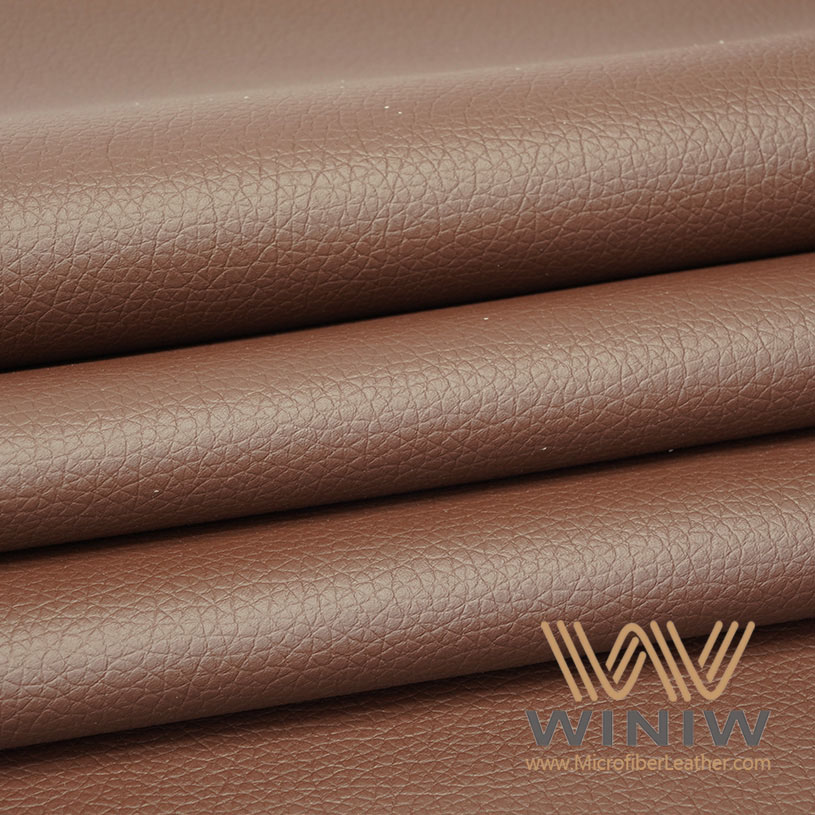
Den Unterschied spürt man sofort, wenn man in hochwertige Handschuhe schlüpft. Handschuhleder zeichnet sich durch seine unvergleichliche Weichheit, Flexibilität und seinen hohen Tragekomfort aus. Seinen Namen verdankt es seinem Hauptverwendungszweck: der Herstellung von Handschuhen, die sich den Bewegungen der Hände anpassen. Handschuhhersteller wählen es aufgrund seiner Eigenschaften wie Dünne, Fingerfertigkeit und Tastsensibilität, wie die folgende Tabelle zeigt:
|
Lederart |
Eigenschaften |
|---|---|
|
Rindsleder |
Dick und strapazierfähig |
|
Ziegenleder |
Dünn, elastisch, geschickt |
|
Hirschleder |
Erhöhter Komfort |
|
Schweinsleder |
Hoch abriebfest, dünn |
|
Schafleder |
Extrem dünn, beste taktile Sensibilität |
|
Känguruleder |
Dünn, strapazierfähig, geschickt, elastisch |
Sie wünschen sich Handschuhe, die sich natürlich anfühlen, Ihre Hände schützen und dem täglichen Gebrauch standhalten. Handschuhleder erfüllt all diese Anforderungen und ist daher die erste Wahl für Handschuhe in den Bereichen Arbeit, Sport und Freizeit.
Handschuhleder ist bekannt für seine unvergleichliche Weichheit und Flexibilität und eignet sich daher ideal für Handschuhe, die sich mit den Händen bewegen müssen.
Die Wahl von Handschuhen aus Handschuhleder gewährleistet Langlebigkeit und Komfort und ermöglicht so einen langjährigen Einsatz bei verschiedenen Aufgaben.
Verschiedene Arten von Handschuhleder Lederarten wie Ziegen- und Hirschleder bieten einzigartige Vorteile. Wählen Sie daher diejenige, die am besten zu Ihren spezifischen Bedürfnissen passt.
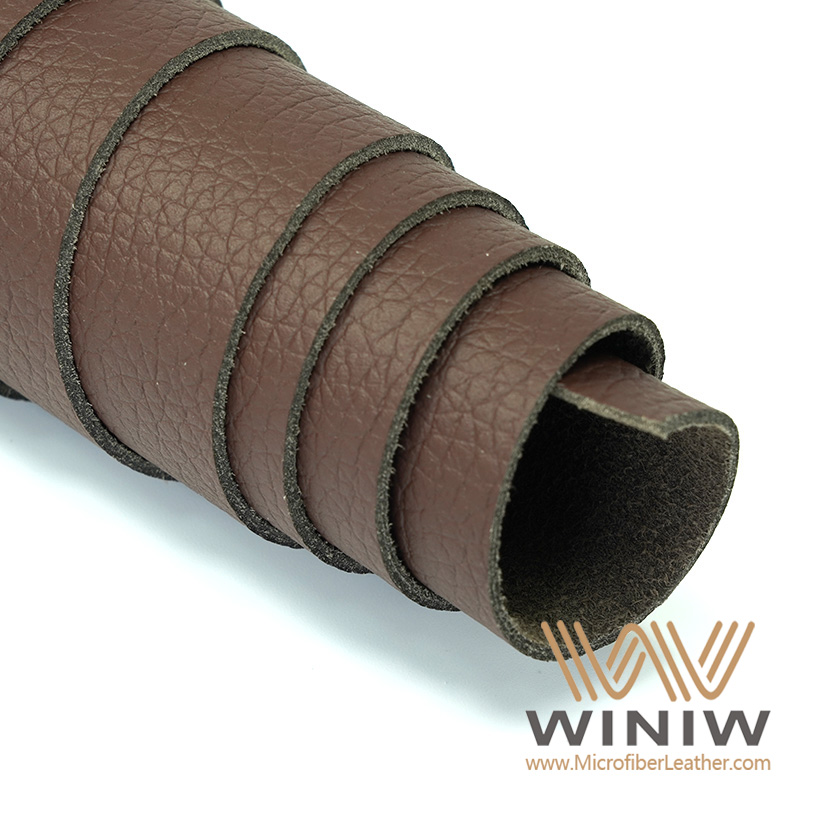
Sie fragen sich vielleicht, welche Sets Handschuhleder Handschuhleder unterscheidet sich von anderen Lederarten. In der Lederindustrie bezeichnet der Begriff „Handschuhleder“ ein spezielles Material, das für Komfort, Weichheit und Langlebigkeit entwickelt wurde. Hersteller wählen Lederarten wie Rinds-, Schweins-, Hirsch- und Ziegenleder, da jede von ihnen einzigartige Vorteile für Handschuhe bietet. Handschuhleder fühlt sich angenehm auf der Haut an und hält auch häufigem Gebrauch stand.
Die Herstellung von Handschuhleder umfasst mehrere wichtige Schritte. Die meisten Gerbereien verwenden die Chromgerbung, die ein dünnes, weiches und flexibles Material ergibt. Dieses Verfahren macht das Leder zudem wasserabweisender als traditionell pflanzlich gegerbtes Leder. Nach der Gerbung verleihen Veredelungsprozesse dem Handschuhleder den letzten Schliff und seine charakteristische Glätte und sein Aussehen.
Tipp: Wenn Sie sich für Handschuhe aus Handschuhleder entscheiden, erhalten Sie ein Produkt, das sowohl auf Komfort als auch auf Leistung ausgelegt ist.
Hier sind die wichtigsten Merkmale von Handschuhleder:
Weiche Textur für angenehmen Tragekomfort
Langlebigkeit, um dem täglichen Gebrauch standzuhalten
Hergestellt aus verschiedenen Tierhäuten, von denen jede einzigartige Eigenschaften aufweist
Verbesserte Wasserbeständigkeit durch Chromgerbung
Sorgfältig verarbeitet für ein glattes, ansprechendes Erscheinungsbild
Sie werden vielleicht feststellen, dass sich Leder nicht gleich Leder anfühlt. Handschuhleder zeichnet sich durch seine Weichheit und Flexibilität aus, wodurch es ideal für Handschuhe geeignet ist, die sich den Bewegungen Ihrer Hände anpassen müssen. Andere Lederarten, wie Rinds- oder Büffelleder, fühlen sich oft steifer an und müssen erst eingetragen werden.
Die folgende Tabelle vergleicht Handschuhleder mit anderen gängigen Lederarten hinsichtlich Weichheit, Flexibilität und Oberflächenbeschaffenheit:
|
Lederart |
Weichheit |
Flexibilität |
Beenden |
|---|---|---|---|
|
Rindsleder |
Mäßig |
Anfangs steif |
Dauerhaft |
|
Schweinsleder |
Wird mit der Zeit weicher |
Hoch |
Guter Halt |
|
Ziegenleder |
Hoch |
Exzellent |
Prämie |
|
Hirschleder |
Sehr weich |
Exzellent |
Weich und biegsam |
|
Schaffell |
Extrem weich |
Mäßig |
Luxuriös |
|
Pferdeleder |
Mäßig |
Erfordert Einbruch |
Glatt |
|
Büffel |
Mäßig |
Gut |
Robust |
Sie werden feststellen, dass Handschuhleder für die Herstellung von Handschuhen bevorzugt wird, da es mehrere Vorteile bietet:
Lange Haltbarkeit, sodass Sie die Handschuhe nicht oft ersetzen müssen.
Abriebfestigkeit, schützt Ihre Hände vor Abnutzung und Reibung
Durchstoßfestigkeit, die vor Schnitten und scharfen Gegenständen schützt.
Hitzebeständigkeit, die eine Barriere in industriellen Umgebungen bildet
Sicherer Halt, verringert das Unfallrisiko
Taktile Sensibilität, die es Ihnen ermöglicht, filigrane Aufgaben präzise auszuführen.
Handschuhleder bietet Ihnen die optimale Kombination aus Komfort, Schutz und Leistung. Wenn Sie sich für Handschuhe aus diesem Material entscheiden, investieren Sie in Qualität, die Ihre Hände bei jeder Aufgabe optimal unterstützt.
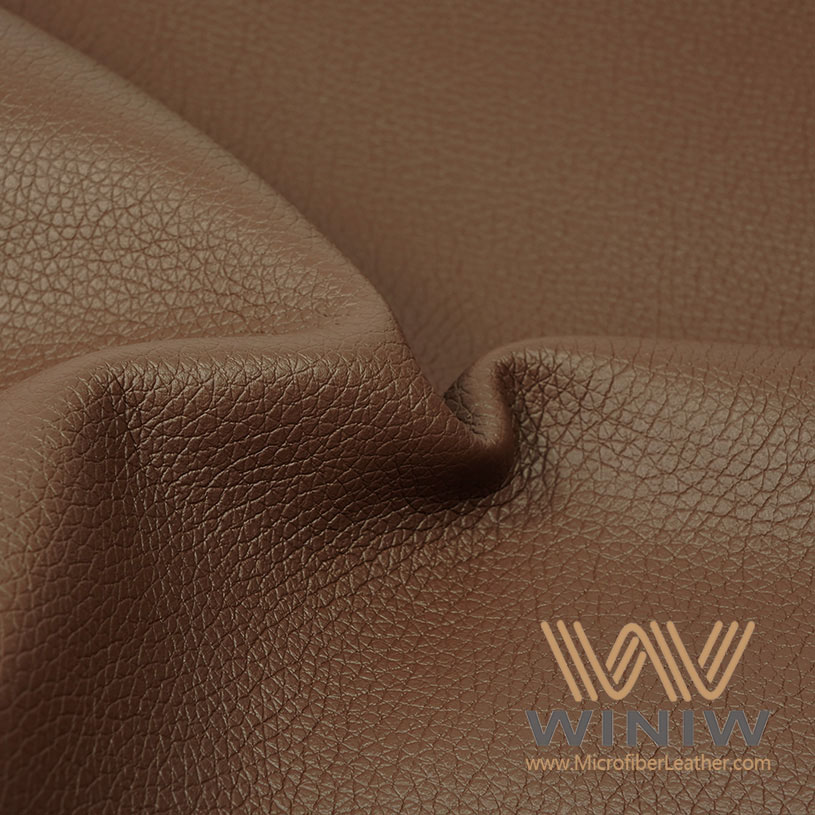
Bei der Wahl von Handschuhen ist es wichtig, dass sie die Bewegungen Ihrer Hände mitmachen und Sie nicht einschränken. Weichheit und Flexibilität zeichnen Handschuhleder im Vergleich zu anderen Materialien aus. Die Weichheit lässt sich anhand der Eindringtiefe und der Shore-Härte messen. Die folgende Tabelle vergleicht verschiedene Lederarten:
|
Lederart |
Typische Weichheit (Eindringtiefe) |
Shore-Härte (ungefähr) |
Gängige Anwendungen |
|---|---|---|---|
|
Weiches Lammleder |
4–5 mm |
Shore A 30–40 |
Handschuhe, Luxusbekleidung |
|
Oberleder vom Rind |
3–4 mm |
Shore A 45–55 |
Schuhe, Handtaschen |
|
Fest pflanzlich gegerbt |
2–3 mm |
Shore A 60–70 |
Gürtel, Sättel, Holster |
|
Korrigiertes Narben-/Wildleder |
3,5–4,5 mm |
Shore A 35–50 |
Polstermöbel, Jacken |
Den Unterschied spürt man sofort, wenn man Handschuhe aus weichem Lamm- oder Ziegenleder trägt. Diese Materialien ermöglichen es den Fingern, sich leicht zu beugen und Gegenstände sicher zu greifen. Weichere Lederarten wie Schweins- und Ziegenleder erhöhen den Tragekomfort und die Fingerfertigkeit und eignen sich daher ideal für präzise Arbeiten. Ziegenleder zeichnet sich durch seine hohe Reißfestigkeit und seine weiche Textur aus und bietet so sowohl Robustheit als auch Fingerfertigkeit. Leichteres und dünneres Ziegenleder passt sich den Bewegungen der Hände optimal an und reduziert so die Ermüdung bei sich wiederholenden Tätigkeiten. Die Flexibilität von Spaltleder bietet eine kostengünstige Alternative bei gleichzeitig guter Leistung.
Sie wünschen sich Handschuhe, die lange halten und Ihre Hände in verschiedenen Umgebungen schützen. Strapazierfähigkeit ist ein entscheidendes Merkmal von Handschuhleder. Die folgende Tabelle zeigt, wie sich verschiedene Lederarten unter anspruchsvollen Bedingungen bewähren:
|
Lederart |
Haltbarkeitseigenschaften |
Ideale Anwendungsfälle |
|---|---|---|
|
Rindsleder |
Dick, robust, hervorragende Abriebfestigkeit, ideal für anspruchsvolle Aufgaben. |
Bauwesen, Schweißen, anspruchsvolle Branchen |
|
Ziegenleder |
Vereint Stärke und Flexibilität, ist wasserabweisend sowie schnitt- und abriebfest. |
Handhabung von Werkzeugen, Maschinen und rauen Materialien |
|
Büffelleder |
Robuste Langlebigkeit, außergewöhnliche Durchstoßfestigkeit, geeignet für scharfe Gegenstände. |
Bergbau, Öl und Gas, Betrieb von Schwermaschinen |
Sie profitieren von der Schnitt-, Abrieb- und Durchstoßfestigkeit des Leders. So können Sie Ihre Handschuhe auch bei anspruchsvollen Arbeiten einsetzen, ohne sich Gedanken über schnellen Verschleiß machen zu müssen. Die gute Atmungsaktivität des Leders sorgt für eine optimale Luftzirkulation und verhindert Schweißbildung im Inneren der Handschuhe. Winzige Poren im Leder tragen zu einer stabilen Innentemperatur bei, sodass Ihre Hände warm, aber nicht verschwitzt sind. Auch bei stundenlangem Tragen genießen Sie höchsten Tragekomfort.
Tipp: Um die Lebensdauer Ihrer Handschuhe zu verlängern, reinigen Sie sie regelmäßig, pflegen Sie das Leder, bewahren Sie sie an einem kühlen, trockenen Ort auf, reparieren Sie Beschädigungen umgehend und ersetzen Sie sie, wenn Sie deutliche Abnutzungserscheinungen feststellen.
Komfort ist beim Tragen von Handschuhen über längere Zeiträume besonders wichtig. Die richtige Passform sorgt dafür, dass sich die Handschuhe wie eine zweite Haut anfühlen. Sie benötigen Handschuhe, die der Größe und Form Ihrer Hände und Finger entsprechen. Eine optimale Passform beugt Druckstellen vor und ermöglicht Ihnen ein müheloses Arbeiten. Auch die Materialeigenschaften spielen eine wichtige Rolle für den Tragekomfort. Weiches Handschuhleder passt sich den Bewegungen Ihrer Hände an und reduziert die Muskelermüdung.
Designmerkmale können den Tragekomfort verbessern, indem sie auf Ihre individuellen Bedürfnisse eingehen. So bieten beispielsweise Handschuhe, die speziell für Linkshänder oder Personen mit bestimmten Einschränkungen entwickelt wurden, eine bessere Passform. Auch die Art der Tätigkeit beeinflusst die benötigte Passform. Feinmotorische Tätigkeiten erfordern einen eng anliegenden Sitz, während bei körperlich anstrengenden Arbeiten ein lockererer Sitz zum Schutz notwendig sein kann. Schutz vor Verletzungen und Muskelermüdung trägt zusätzlich zum allgemeinen Tragekomfort bei. Viele Anwender berichten von einem positiven Gefühl und großer Zufriedenheit, wenn ihre Handschuhe gut sitzen und sich angenehm anfühlen.
Lederhandschuhe sind unter extremen Bedingungen unübertroffen. Sie bieten Wärme und Windschutz bei kaltem und nassem Wetter. Im Gegensatz zu Wolle hält Leder die Hände auch im nassen Zustand warm. Daher sind Lederhandschuhe eine zuverlässige Wahl für Arbeiten im Freien oder Wintersport.
Schlüsselfaktoren für den Tragekomfort von Lederhandschuhen:
Passt perfekt zu Ihrer Handgröße und -form
Material, das die Fingerfertigkeit unterstützt und Ermüdung reduziert.
Ein Design, das Ihren Aktivitäten und persönlichen Bedürfnissen entspricht
Schutz vor Verletzungen und Muskelzerrungen
Zufriedenheit mit einem Handschuh, der sich gut anfühlt und gute Leistung bringt.
Die besten Ergebnisse erzielen Sie mit perfekt sitzenden Handschuhen aus hochwertigem Leder. Diese Kombination bietet Ihnen Komfort, Langlebigkeit und Fingerfertigkeit für jede Aufgabe.
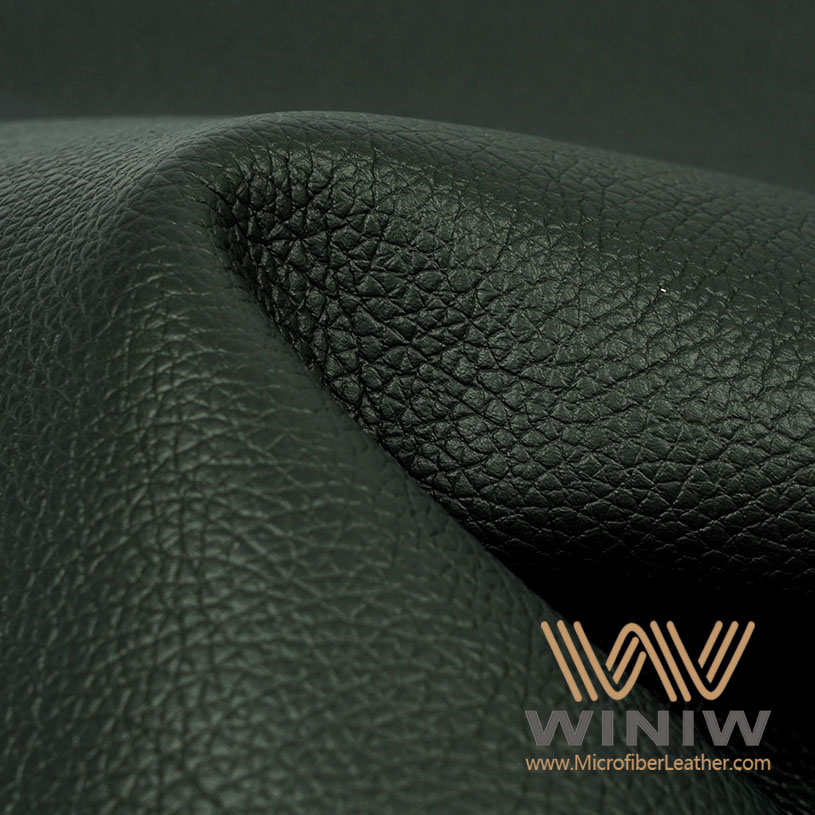
Bei der Auswahl von Handschuhen stößt man auf viele... Arten von Handschuhleder Jeder Typ bietet einzigartige Vorteile in Bezug auf Komfort, Haltbarkeit und Leistung.
Handschuhleder aus Hirschleder besticht durch seinen Tragekomfort und seine überraschende Robustheit. Es fühlt sich sofort weich an und bleibt bei jedem Wetter flexibel. Ein Einlaufen ist nicht nötig. Hirschleder behält Form und Wärme, selbst im nassen Zustand. Viele Forst- und Viehzüchter bevorzugen Hirschlederhandschuhe, da sie Komfort und Schutz bei langen Arbeitstagen bieten.
Elchleder bietet robusten Schutz und einen angenehmen Griff. Es bleibt auch bei extremen Temperaturen flexibel und ist äußerst strapazierfähig. Zudem schützt Elchleder Ihre Hände vor Abrieb und Kälte und ist somit die ideale Wahl für anspruchsvolle Arbeiten im Freien.
Fachleute greifen oft zu Handschuhen aus Hirsch- und Elchleder, da diese in anspruchsvollen Umgebungen komfortabel und zuverlässig sind.
Handschuhleder aus Ziegenleder ist bekannt für seine hohe Strapazierfähigkeit und hervorragende Feuchtigkeitsbeständigkeit. Man erhält einen flexiblen, leichten Handschuh, der eng anliegt und wasser- sowie reißfest ist. Dadurch eignet sich Ziegenleder ideal für Arbeiten, die Fingerfertigkeit und Schutz erfordern.
Handschuhleder aus Schweinsleder bietet eine mittlere Strapazierfähigkeit und gute Feuchtigkeitsbeständigkeit. Es ist atmungsaktiv und hält die Hände kühl. Schweinsleder ermöglicht uneingeschränkte Fingerbeweglichkeit und schützt die Hände gleichzeitig. Schweinslederhandschuhe sind aufgrund ihrer Kombination aus Komfort und Langlebigkeit besonders beliebt für den täglichen Gebrauch.
|
Lederart |
Zähigkeit |
Feuchtigkeitsbeständigkeit |
|---|---|---|
|
Ziegenleder |
Hoch |
Exzellent |
|
Schweinsleder |
Mäßig |
Gut |
Pekari-Leder ist ein Premium-Leder, das für Luxus, Weichheit und eine edle Optik bekannt ist. Es bietet unvergleichlichen Tragekomfort und ein raffiniertes Erscheinungsbild. Bei richtiger Pflege können Pekari-Handschuhe ein Leben lang halten.
Handschuhhandschuhe aus Rindsleder sind robust und praktisch. Sie eignen sich besonders für anspruchsvolle Aufgaben und bieten zuverlässige Haltbarkeit. Rindslederhandschuhe können für viele Tätigkeiten eingesetzt werden, von Bauarbeiten bis hin zu Arbeiten im Freien.
|
Lederart |
Luxusmerkmale |
Haltbarkeitseigenschaften |
|---|---|---|
|
Pekari-Leder |
Bekannt für seinen Luxus, seine Weichheit und seine hochwertige Anziehungskraft. |
Extrem langlebig, kann bei richtiger Pflege ein Leben lang halten. |
|
Rindsleder |
Es wird aufgrund seiner Stärke und Praktikabilität bei starker Beanspruchung geschätzt. |
Robust und langlebig, geeignet für vielfältige Anwendungen. |
Die Wahl des Leders beeinflusst Tragekomfort und Funktionalität Ihrer Handschuhe. Hirsch- und Elchleder bieten Komfort und Flexibilität. Ziegen- und Schweinsleder zeichnen sich durch Robustheit und Feuchtigkeitsregulierung aus. Pekari- und Rindsleder stehen entweder für Luxus oder für extreme Strapazierfähigkeit. Wenn Sie die verschiedenen Lederarten kennen, können Sie die optimalen Handschuhe für Ihre Bedürfnisse auswählen.
Sie möchten Handschuhe, die Ihren Bedürfnissen entsprechen, daher sollten Sie überlegen, was die richtigen Handschuhe ausmacht. bestes Handschuhleder Für Ihre Aufgaben benötigen Sie Lederarbeitshandschuhe, die strapazierfähig, durchstichfest und griffig sind. Wenn Sie Auto fahren oder Maschinen bedienen, sind Flexibilität und Komfort besonders wichtig. Winterhandschuhe müssen isolierend und warm halten, ohne aufzutragen. Aus modischen Gründen bevorzugen Sie vielleicht hochwertiges Leder, das sich weich anfühlt und stilvoll aussieht.
Die Eigenschaften der einzelnen Lederarten helfen Ihnen bei der Entscheidung. Schweinsleder bleibt auch bei Feuchtigkeit weich und ist atmungsaktiv, wodurch es sich hervorragend für Arbeiten eignet, die Fingerfertigkeit erfordern. Ziegenleder ist robust, flexibel und wasserabweisend und schützt so vor Schnitten und Abschürfungen. Hirschleder fühlt sich weich an und isoliert gut, ideal für kaltes Wetter. Büffelleder bietet robusten Schutz und ist durchstoßfest – perfekt für schwere Arbeiten.
|
Branche/Anwendung |
Empfohlene Lederhandschuhtypen |
Wichtige Funktionen erforderlich |
|---|---|---|
|
Allgemeine Bauarbeiten |
Rindsleder, Büffel |
Abriebfestigkeit, Haltbarkeit |
|
Schweißen (MIG/Elektrodenschweißen) |
Rindsleder (dick), Pferdeleder, Büffelleder |
Hitzebeständigkeit, Abriebfestigkeit |
|
Schweißen (WIG) |
Ziegenleder |
Geschicklichkeit, Hitzebeständigkeit |
|
Landschaftsgestaltung/Gartenbau |
Schweinsleder, Ziegenleder |
Atmungsaktivität, Flexibilität |
|
Fahren/Maschinenbedienung |
Schweinsleder, Hirschleder |
Geschicklichkeit, Griffigkeit, Komfort |
|
Kühlhaus/Kühlung |
Rindsleder oder Ziegenleder mit Futter |
Wärme, Isolierung, Langlebigkeit |
Für optimale Ergebnisse sollten Sie Ihre Handschuhe auf Ihre jeweilige Sportart abstimmen. Baseballhandschuhe bestehen häufig aus Ziegen- oder Cabrettaleder, was für guten Halt und Komfort sorgt. Crickethandschuhe haben gepolsterte Handflächen aus Leder zum Schutz. Softballhandschuhe werden aus Ledermischungen gefertigt, die Flexibilität und Atmungsaktivität gewährleisten.
|
Sport |
Verwendete Lederart |
Vorteile |
|---|---|---|
|
Baseball |
Ziegen- oder Cabrettaleder |
Bester Halt und Komfort |
|
Kricket |
Lederhandflächen mit Polsterung |
Schutz und Komfort |
|
Softball |
Synthetische Mischungen mit Leder |
Flexibilität, Atmungsaktivität |
Tipp: Die Dicke Ihrer Handschuhe ist wichtig. Dickere Lederarbeitshandschuhe schützen vor Schnitten und Hitze. Dünnere Handschuhe bieten mehr Fingerfertigkeit für präzise Arbeiten.
Man kann sehen, wie sich die Vorlieben je nach Region unterscheiden. In Nordamerika bevorzugen Highschool-Sportler Funktionshandschuhe. In Europa greifen Jugendmannschaften zu umweltfreundlichen Materialien. Käufer im asiatisch-pazifischen Raum wünschen sich multifunktionale Handschuhe mit Wetterschutz.
Hochwertige Lederhandschuhe bieten Komfort, Schutz und Stil. Die besten Lederhandschuhe erfüllen stets Ihre Bedürfnisse, egal ob Sie arbeiten, Sport treiben oder einfach nur modisch aussehen möchten.
Die Wahl des richtigen Handschuhleders bietet viele Vorteile. Sie profitieren von Komfort, Langlebigkeit und besserer Leistung. Viele Anwender schätzen Eigenschaften wie eine perfekte Passform, sicheren Halt und lange Haltbarkeit. Für optimale Ergebnisse sollten Sie Ihre Handschuhe stets an Ihre Bedürfnisse und Ihre Aktivität anpassen.
Cabretta-Leder bietet ein hervorragendes Tragegefühl und optimale Leistung.
Rindsleder bietet Strapazierfähigkeit für anspruchsvolle Aufgaben.
Ziegenleder bietet Flexibilität und Wasserbeständigkeit.
Die richtige Passform verringert die Ermüdung und verbessert den Tragekomfort.
Denken Sie daran: Mit dem richtigen Handschuh wird jede Aufgabe einfacher und sicherer.

Sie werden feststellen, dass Lederhandschuhe überragenden Tragekomfort, Langlebigkeit und Atmungsaktivität bieten. Sie spüren den Unterschied, wenn Sie Lederhandschuhe über längere Zeit tragen. Synthetische Handschuhe Oftmals mangelt es ihnen an diesen Eigenschaften.
Lederhandschuhe werden mit einem feuchten Tuch gereinigt. Sie werden regelmäßig gepflegt. Lederhandschuhe werden an einem kühlen, trockenen Ort aufbewahrt. Direkte Sonneneinstrahlung wird vermieden.
Hinweis: Lederhandschuhe sollten niemals in der Waschmaschine gewaschen werden. Die Verwendung aggressiver Chemikalien kann Lederhandschuhe beschädigen.
Sie verwenden Lederhandschuhe für die Arbeit, den Sport und als modisches Accessoire. Sie vertrauen auf Lederhandschuhe, weil sie Schutz bieten und gleichzeitig Stil verleihen. Sie wählen Lederhandschuhe für Aufgaben, die Fingerfertigkeit und Komfort erfordern.
Winiw International Co.,Ltd


Scan zu wechat:



 Tel : +86 18150976625
 E-Mail : Market@MicrofiberLeather.com