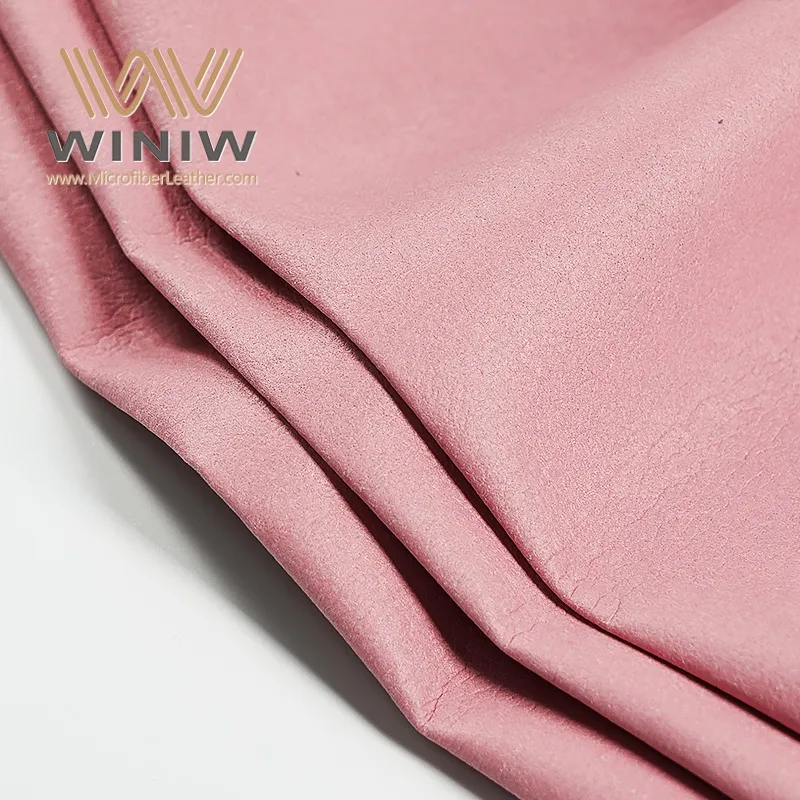
Sie wünschen sich höchsten Tragekomfort und maximale Langlebigkeit für Ihre Schuhe. Schweinsleder, Kalbsleder und Lammleder zählen zu den besten Lederarten für Schuhfutter. Schweinsleder bietet hohe Atmungsaktivität, starke Strapazierfähigkeit und trocknet schnell, wie die folgende Tabelle zeigt:
|
Besonderheit |
Schweinsleder |
|---|---|
|
Atmungsaktivität |
Hoher Wert; die offenporige Struktur verbessert den Luftdurchsatz. |
|
Haltbarkeit |
Langlebiger; widersteht Abnutzung durch Riemen und Reibung |
|
Feuchtigkeitsmanagement |
Leitet Feuchtigkeit effizient ab; trocknet schneller |
Wählen Sie Schweinsleder, Kalbsleder oder Lammleder für die Höchster Komfort und Langlebigkeit in Schuhfutter. Jede Art bietet einzigartige Vorteile, die Ihr Tragegefühl verbessern.
Achten Sie bei der Auswahl von Lederfutter auf Atmungsaktivität und Feuchtigkeitsregulierung. Hochwertiges Leder trägt dazu bei, die Füße trocken zu halten und Gerüche zu reduzieren, insbesondere in warmen Klimazonen.
Wählen Sie das Schuhfutter passend zu Ihrem Lebensstil und Budget. Für den Alltag ist Schweinsleder praktisch. Für einen luxuriöseren Look empfiehlt sich Kalbsleder. Achten Sie stets auf die Lederverarbeitung für optimalen Tragekomfort.
Mit Lederfutter sorgen Sie für ein angenehmes und gesundes Fußklima. Hochwertiges Futter fühlt sich weich auf der Haut an und reguliert die Feuchtigkeit den ganzen Tag über. Gerade bei langem Tragen oder warmem Wetter ist Atmungsaktivität wichtig.
Das Leder passt sich Ihrem Fuß an und sorgt so für eine individuelle Passform, die den Tragekomfort erhöht.
Durch die poröse Struktur kann die Luft zirkulieren und Feuchtigkeit entweichen, wodurch Ihre Füße trocken bleiben.
Atmungsaktive Futterstoffe senken das Risiko von Pilzinfektionen und beugen durch die Reduzierung von Feuchtigkeit Gerüchen vor.
Leder kann Feuchtigkeit besser aufnehmen und abgeben als synthetische Materialien.
Hochwertige Futterstoffe sind antibakteriell, sodass Ihre Schuhe länger frisch bleiben.
Labortests belegen, dass Kuhfellfutter Feuchtigkeit besser reguliert als Ziegen- oder Schaffellfutter. Da Ihre Füße bis zu 30 ml pro Stunde schwitzen können, benötigen Sie Futter, das Feuchtigkeit ableitet und schnell trocknet. Der Tragekomfort hängt maßgeblich davon ab, wie gut Ihre Schuhe Temperatur und Luftfeuchtigkeit regulieren. Bei intensiven Aktivitäten zeichnet sich Kuhfellfutter durch seine hervorragende Wasserdampfdurchlässigkeit aus.
Tipp: Wenn Sie maximalen Komfort wünschen, suchen Sie nach Premium-Lederoptionen wie beispielsweise vollnarbiges Anilinleder, das Weichheit und Atmungsaktivität bietet.
Sie wünschen sich langlebige und formbeständige Schuhfutter? Leder bietet optimalen Halt und Schutz, selbst bei einem aktiven Lebensstil. Im Laufe der Zeit behält Leder seine Struktur und ist formbeständig, während Textilfutter oft an Form und Stützkraft verlieren. Schweinsleder, bekannt für seine Strapazierfähigkeit, hält dank seiner einzigartigen Struktur dem täglichen Verschleiß stand. Anders als Textilien sind Lederfutter feuchtigkeits- und abriebfest – ein wichtiger Vorteil bei häufig getragenen Schuhen. Vollnarbenlederfutter, insbesondere aus hochwertigen Materialien, sorgen dafür, dass Ihre Schuhe länger wie neu aussehen und sich auch so anfühlen.
Viele hochwertige Schuhe sind mit Schweinsleder gefüttert. Schweinsleder zeichnet sich durch seine hervorragende Weichheit und Flexibilität aus, wodurch Sie fast ohne Einlaufzeit optimalen Tragekomfort genießen. Die offenporige Struktur sorgt für hohe Atmungsaktivität und hält Ihre Füße kühl und trocken. Zudem ist Schweinsleder strapazierfähig und somit eine praktische Wahl für Alltagsschuhe.
Hier ein kurzer Überblick über die wichtigsten Eigenschaften von Schweinsleder:
|
Merkmal |
Beschreibung |
|---|---|
|
Weichheit |
Hervorragende Weichheit und Flexibilität, für hohen Tragekomfort bei minimaler Einlaufzeit. |
|
Atmungsaktivität |
Hohe Atmungsaktivität, effektive Regulierung der Luftfeuchtigkeit und Verhinderung von Schweißbildung. |
|
Kosten |
Im Vergleich zu anderen Lederarten sind sie preisgünstig und bieten eine praktische Alternative zu teureren Optionen. |
Hochwertiges Schweinsleder ist aufgrund seiner begehrten Eigenschaften und des begrenzten Angebots im Vergleich zu Rindsleder teurer.
Sie zahlen weniger für Schweinsleder als für exotische Lederarten wie Kalbsleder oder Shell Cordovan.
Wenn Sie ein Futter suchen, das Komfort, Haltbarkeit und Preis in Einklang bringt, ist Schweinsleder eine kluge Wahl.
Kalbsleder ist ein hochwertiges Leder, das viele Luxusmarken für Schuhfutter verwenden. Seine geschmeidige, weiche Textur werden Sie sofort bemerken. Kalbsleder fühlt sich angenehm weich am Fuß an und passt sich mit der Zeit Ihrer Fußform an. Dieses Futter ist besonders strapazierfähig und formbeständig, sodass Ihre Schuhe ihre Form behalten.
Kalbsleder ist bekannt für seine Stärke und Geschmeidigkeit und eignet sich daher ideal für hochwertige Schuhe.
Sie erhalten ein hohes Maß an Weichheit und Luxus, was Kalbsleder von Schweinsleder und Rindsleder unterscheidet.
Kalbslederfutter halten auch bei häufigem Gebrauch lange.
Wenn Sie ein luxuriöses Tragegefühl und langanhaltenden Komfort wünschen, ist Kalbsleder eine ausgezeichnete Wahl für Schuhfutterleder.
Lamm- und Ziegenleder bieten ein ganz anderes Tragegefühl. Lammleder ist unglaublich weich und leicht. Seine Flexibilität sorgt dafür, dass sich das Futter perfekt an Ihren Fuß anpasst. Daher eignet sich Lammleder ideal für elegante Schuhe oder Schuhe, die Sie barfuß tragen. Allerdings ist Lammleder weniger strapazierfähig als Kalbs- oder Schweinsleder und ist daher am besten für Schuhe geeignet, die Sie zu besonderen Anlässen tragen.
Futter aus Ziegenleder bietet ein ausgewogenes Verhältnis zwischen Weichheit und Strapazierfähigkeit. Ziegenleder ist flexibler als Rindsleder und robuster als Lammleder. Sie erhalten eine bequeme Passform und eine höhere Verschleißfestigkeit als bei reinem Lammleder.
Lammleder: Sehr hohe Weichheit, hoher Luxus, mittlere Haltbarkeit.
Ziegenleder: Gute Flexibilität, mäßige Haltbarkeit, angenehmes Tragegefühl.
Wählen Sie Lammleder für maximalen Komfort und ein besonders hochwertiges Tragegefühl. Entscheiden Sie sich für Ziegenleder, wenn Sie eine Kombination aus Komfort und Strapazierfähigkeit wünschen.
Rindsleder ist eines der gängigsten Lederarten für Schuhfutter. Es zeichnet sich durch hohe Strapazierfähigkeit und Festigkeit aus und eignet sich daher ideal für robuste Schuhe und Stiefel. Rindsleder ist schwerer und dicker als Schweins- oder Kalbsleder und bietet daher hervorragende Unterstützung und Stabilität.
|
Lederart |
Kosten pro Quadratfuß |
Haltbarkeit |
Stärke |
|---|---|---|---|
|
Schweinsleder |
1 bis 5 US-Dollar |
Stark |
Fast so robust wie Rindsleder |
|
Rindsleder |
3 bis 15 US-Dollar |
Sehr schwierig |
Ideal für den Einsatz unter hoher Belastung. |
Futter aus Rindsleder ist langlebig und feuchtigkeitsableitend. Es mag weniger weich sein als Kalbs- oder Lammleder, bietet aber zuverlässigen Schutz für Arbeitsschuhe und Outdoor-Schuhe.
Andere Lederfutterarten, wie Pferdeleder oder exotische Lederarten, kommen seltener vor. Diese Optionen sind in der Regel teurer und bedienen Nischenmärkte.
Die Oberflächenbehandlung von Lederfutter beeinflusst sowohl den Tragekomfort als auch das Aussehen. Es gibt drei Hauptausführungen:
|
Lederart |
Atmungsaktivität |
Aussehen |
|---|---|---|
|
Anilin |
Hoher Wert, ermöglicht Temperaturregulierung |
Die natürliche Maserung und Unvollkommenheiten sind sichtbar. |
|
Semianilin |
Mäßig, behält eine gewisse Atmungsaktivität. |
Leichter Glanz, Maserung durch Pigmentzusatz sichtbar. |
|
Pigmentiert |
Niedrig, die Poren sind bedeckt |
Einheitliche Farbe, verdeckt natürliche Merkmale |
Vollnarbiges Anilinleder bietet Ihnen höchste Atmungsaktivität und eine natürliche Optik. Sie werden die einzigartige Narbung und kleine Unregelmäßigkeiten bemerken.
Semianilinleder verfügt über eine dünne Pigmentschicht, die die Oberfläche schützt, aber gleichzeitig eine gewisse Atmungsaktivität erhält.
Pigmentiertes Leder bedeckt die Poren, wodurch das Futter weniger atmungsaktiv, aber widerstandsfähiger gegen Flecken und Kratzer wird.
Wenn Sie höchsten Tragekomfort und ein natürliches Tragegefühl wünschen, wählen Sie vollnarbiges Anilinleder für Ihr Schuhfutter.
Vielleicht möchten Sie die verschiedenen Arten von Lederfutter für Schuhe schnell vergleichen. Die folgende Tabelle fasst die wichtigsten Unterschiede zusammen:
|
Lederart |
Weichheit |
Haltbarkeit |
Atmungsaktivität |
Luxus |
Kosten |
Am besten geeignet für |
|---|---|---|---|---|---|---|
|
Schweinsleder |
Hoch |
Hoch |
Hoch |
Niedrig |
$$ |
Alltagsschuhe |
|
Kalbsleder |
Hoch |
Hoch |
Hoch |
Hoch |
$$$$ |
Luxuriöse, elegante Schuhe |
|
Lammfell |
Sehr hoch |
Medium |
Hoch |
Hoch |
$$$ |
Kleid, bequeme Schuhe |
|
Ziegenleder |
Hoch |
Medium |
Hoch |
Medium |
$$ |
Vielseitig, komfortabel |
|
Rindsleder |
Medium |
Sehr hoch |
Medium |
Medium |
$$ |
Arbeitsschuhe, Outdoor-Schuhe |
Tipp: Achten Sie bei der Wahl des Schuhfutters auf Ihre Bedürfnisse. Für höchsten Tragekomfort eignen sich Kalbs- oder Lammleder. Wenn Sie Wert auf Strapazierfähigkeit legen, sind Rinds- oder Schweinsleder die richtige Wahl. Prüfen Sie immer die Verarbeitung – Vollnarbenleder und vollnarbiges Anilinleder bieten beste Atmungsaktivität und höchsten Komfort.
Sie möchten, dass sich Ihre Schuhe bei jedem Wetter angenehm anfühlen. Um die beste Wahl zu treffen, sollten Sie folgende praktische Faktoren berücksichtigen:
Wählen Sie den richtigen Schuhtyp. Für elegante Schuhe, Stiefel und Turnschuhe gelten jeweils unterschiedliche Anforderungen an das Lederfutter.
Achten Sie auf Atmungsaktivität. In warmen Klimazonen sollten Sie nach Futterstoffen mit hoher Luftzirkulation suchen, wie z. B. perforiertem Leder oder Veloursleder. Diese Materialien tragen dazu bei, dass Ihre Füße kühl und trocken bleiben.
Achten Sie auf die Feuchtigkeitsbeständigkeit. Wenn Sie in einer feuchten Gegend leben oder häufig schwitzen, wählen Sie pigmentiertes oder ölgegerbtes Leder. Diese sind feuchtigkeitsabweisend und beugen Geruchsbildung vor.
Denken Sie an Ihr Budget. Hochwertige Futterstoffe wie vollnarbiges Anilinleder bieten Luxus und Komfort, kosten aber mehr.
Beachten Sie Pflege und Wartung. Hochwertiges Leder benötigt regelmäßige Reinigung und Pflege, um weich zu bleiben und länger zu halten.
Tipp: Achten Sie immer auf das Etikett Ihres Schuhs, um Details zum Lederfutter zu erfahren. Bei Fragen wenden Sie sich an einen Schuhexperten.
Die Lederfutter Ihrer Schuhe sollten zu Ihrem geplanten Verwendungszweck passen:
Bei Arbeitskleidung sollte der Fokus auf Funktionalität und Strapazierfähigkeit liegen. Oberleder oder Vollnarbenleder Nubuk Und Wildlederfutter eignen sich gut für den täglichen Gebrauch.
Für modische oder formelle Schuhe wählen Sie weiches Nappa- oder Lammleder für ein hochwertiges Tragegefühl.
Für Outdoor- oder strapazierfähige Schuhe sollten Sie robuste Futterstoffe wie Rindsleder wählen.
Wenn Sie höchsten Tragekomfort und Atmungsaktivität wünschen, ist vollnarbiges Anilinleder eine ausgezeichnete Wahl.
Das richtige Gleichgewicht zwischen Komfort, Langlebigkeit und Preis finden Sie, indem Sie Ihre Bedürfnisse und das Klima Ihres Wohnortes berücksichtigen.
Die besten Ergebnisse erzielen Sie durch die Wahl von Schuhfutterleder Materialien wie Schweinsleder, Kalbsleder oder Lammleder sorgen für Komfort, Atmungsaktivität und Langlebigkeit. Hochwertige Futterstoffe passen sich dem Fuß an und wirken geruchshemmend. Wählen Sie Ihr Schuhwerk stets passend zu Ihren Bedürfnissen und dem Klima. Prüfen Sie die Etiketten und fühlen Sie das Innenfutter vor dem Kauf.

Sie sollten sich für Lamm- oder Kalbsleder entscheiden. Diese Lederarten fühlen sich weich an und reduzieren Hautirritationen. Sie eignen sich gut für Menschen mit empfindlicher Haut.
Das Futter können Sie mit einem feuchten Tuch abwischen. Verwenden Sie einmal im Monat eine Lederpflege. Vermeiden Sie es, die Schuhe von innen einzuweichen.
Ja. Lederfutter sorgt für Luftzirkulation. Im Vergleich zu synthetischen Materialien bietet es eine bessere Feuchtigkeitsregulierung und weniger Geruchsbildung.
Winiw International Co.,Ltd


Scan zu wechat:



 Tel : +86 18150976625
 E-Mail : Market@MicrofiberLeather.com